
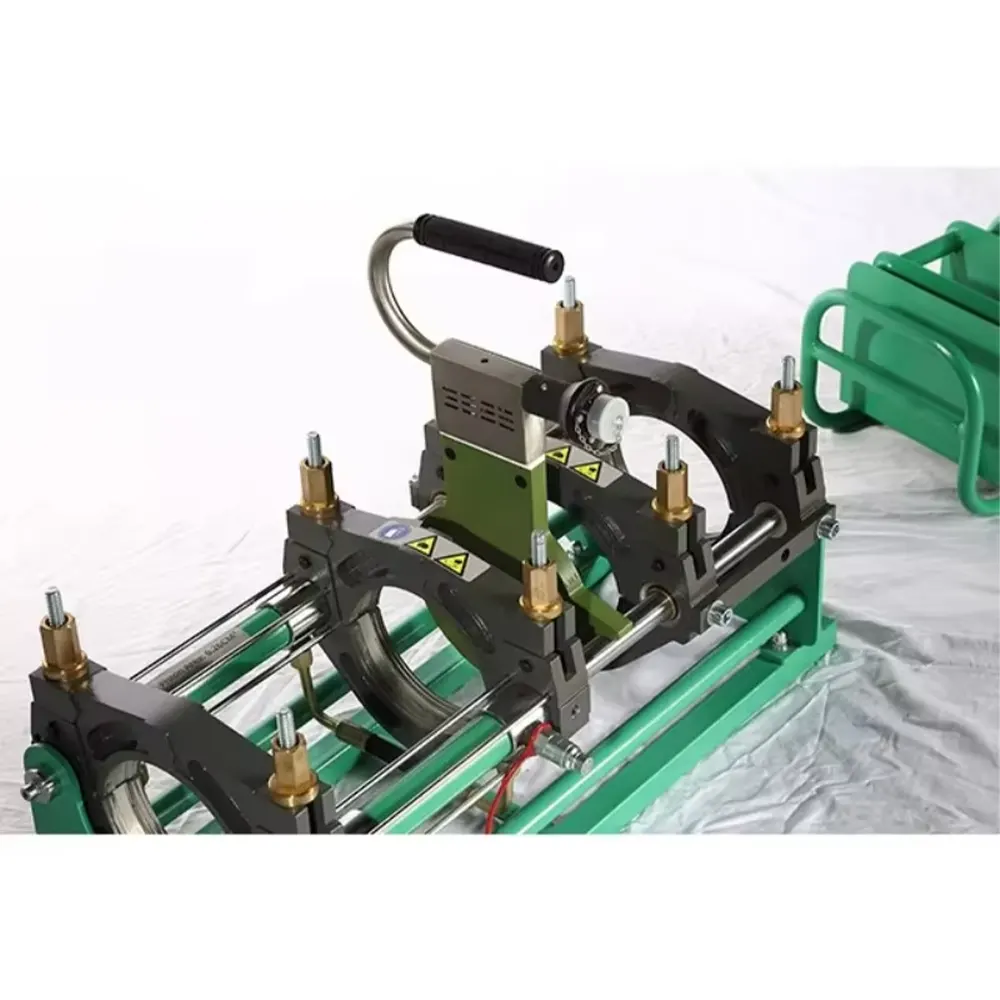
When an underground pipeline project demands strength, long-term sealing performance, and dependable field installation, HDPE welding becomes one of the most important construction steps. For water supply systems, gas distribution networks, mining lines, and industrial pipelines, the quality of every joint directly affects the safety and service life of the entire pipeline. That is why contractors and engineers pay close attention to the welding method, temperature control, alignment accuracy, and cooling time before placing the pipe back into service.
Among the available joining methods, butt fusion is widely recognized as the preferred solution for underground HDPE pipeline installation because it creates a homogeneous joint with excellent leak resistance. A properly executed fusion weld can perform as reliably as the pipe itself, making it suitable for demanding buried applications where repair access may be limited after backfilling. This is also why many project teams rely on a professional butt fusion machine to achieve stable, repeatable results across different pipe diameters and site conditions.
What HDPE Welding Means in Underground Construction
HDPE, or high-density polyethylene, is popular in underground pipeline projects because it is lightweight, corrosion-resistant, flexible, and able to handle pressure fluctuations well. However, these advantages only become meaningful when the pipe joints are joined correctly. Welding HDPE is the process of heating the pipe ends to a controlled melting point and then joining them under pressure so the materials fuse into one continuous body after cooling.
For underground installation, welding quality matters even more than in above-ground systems. Buried pipelines face soil movement, settlement, moisture, vibration, and pressure changes. A weak joint can lead to leaks, repair costs, service interruptions, and safety risks. In contrast, a strong fusion joint helps the line remain stable for decades with minimal maintenance.
Key point: HDPE welding for underground projects is not only about joining two pipe ends. It is about creating a long-lasting structural bond that can survive harsh buried environments with consistent sealing performance.
The Most Common Welding Method: Butt Fusion
In underground pipeline installation, butt fusion is the most common and trusted method for joining HDPE pipe. It is suitable for straight pipe sections and can be applied to many pipe sizes when the proper equipment is used. The process involves four main stages: facing, heating, joining, and cooling.
1. Pipe preparation — The pipe ends must be cut cleanly and aligned correctly before welding begins.
2. Facing — A facer is used to remove oxidation and create smooth, parallel surfaces.
3. Heating — A heater plate warms both ends to the specified fusion temperature.
4. Joining and cooling — The molten ends are pressed together under controlled pressure and held steady until the weld cools.
Each stage must be controlled carefully. If the pipe ends are not aligned properly, the weld can be weak or uneven. If the heating time is too short, fusion will be incomplete. If it is too long, the material may be overheated and damaged. Precision is essential, especially on underground projects where field access is limited and every joint should be dependable from the start.
Step-by-Step: How HDPE Welding Is Done on Site
Before welding begins, the work area should be clean, stable, and protected from contamination. Dust, sand, moisture, and oil can all affect weld quality. The pipe should be placed on supports, and the ends should be checked for roundness and cleanliness. Once the machine is set up, the operator clamps both ends in the fusion equipment and ensures that the surfaces are properly aligned.
The facing stage removes a thin layer from each pipe end to make sure the surfaces are fresh and true. After that, the heater plate is inserted and brought into contact with both ends under the correct pressure. The operator watches the bead formation carefully because it provides visual confirmation that the surfaces are melting evenly. When the heating cycle is complete, the heater plate is removed quickly, and the pipe ends are pressed together with the specified joining pressure.
During the cooling period, the joint must not move. Any disturbance can create internal stress or misalignment. Once the weld is cool enough, the clamp can be released and the joint inspected. A good weld should show uniform bead formation, proper alignment, and no visible defects.
Important: The cooling stage is just as critical as heating. Even a perfect fusion can fail if the joint is disturbed before it has fully stabilized.
Why Equipment Quality Matters
A stable weld depends on more than operator skill. The machine itself must provide accurate temperature control, consistent hydraulic pressure, and reliable clamping alignment. In real underground projects, equipment quality can determine whether the welds are consistent across long work shifts and varying pipe sizes.
This is why many contractors choose trusted manufacturers with proven engineering and field experience. JQ-Fusion, for example, specializes in HDPE pipe welding machines for manual, hydraulic, and CNC automatic applications. Their machines are designed for a wide range of pipe diameters and are used in water supply systems, gas networks, mining projects, and industrial installations worldwide. For teams that need dependable production support and project-ready solutions, a manufacturer with strict quality control can make a major difference.
Advanced manufacturing technology, comprehensive testing, and global support are especially valuable when installation schedules are tight. A machine that performs consistently helps reduce rework, improve productivity, and maintain project quality from the first weld to the last.
Core Features to Look for in a Fusion Machine
• Accurate temperature control for stable heating performance
• Hydraulic pressure stability for consistent joining force
• Rigid clamp alignment to prevent joint distortion
• Durable frame structure for long service life
• Ease of operation for efficient field use
Field Conditions That Affect HDPE Welding
Underground installations often take place in challenging environments. Weather, ground stability, available workspace, and project access can all influence welding performance. Rain, wind, or excessive dust may force the crew to add protective measures. In cold conditions, heating and cooling times can change. In hot conditions, pipe handling and equipment setup may require additional care.
Another important factor is pipe cleanliness. Even if the pipe looks clean, small particles can still interfere with the fusion interface. Operators should always keep end caps, clean cloths, and controlled work practices in place to avoid contamination. Good preparation often saves far more time than it costs because it reduces the chance of defects and repairs later.
Tip: For underground projects, build a simple on-site welding checklist. It helps the crew confirm alignment, temperature, pressure, and cooling time before each weld is accepted.
Quality Control After Welding
Once the weld has cooled, inspection begins. Visual examination is the first step. The bead should be even and symmetrical around the pipe. The joint should not show obvious burn marks, excessive flash, contamination, or offset. Depending on project requirements, additional testing may be performed to verify integrity.
For important infrastructure work, many contractors also keep detailed records of welding parameters. These records may include pipe size, heating time, pressure settings, ambient temperature, and operator information. Documentation helps demonstrate compliance and makes future maintenance or troubleshooting easier.
Because underground pipelines may be buried for decades, quality control is not optional. It is part of the system’s long-term reliability strategy. Every acceptable joint reduces future risk and improves confidence in the overall installation.
Why Contractors Prefer Butt Fusion for Buried Pipelines
✔ Strong leak resistance for pressurized systems
✔ No metallic corrosion at the joint
✔ Suitable for long-distance pipeline networks
✔ Efficient field installation with the right machine
✔ Durable performance in harsh buried conditions
How JQ-Fusion Supports Underground Pipeline Projects
JQ-Fusion focuses on delivering reliable butt fusion solutions for global contractors and distributors. With more than 20 years of industry experience, the company offers manual, hydraulic, and CNC automatic welding machines for a wide range of applications. Its products are designed to support stable performance, high efficiency, and long service life in demanding project environments.
The company’s manufacturing capabilities include modern production lines, precision machining, and strict quality inspection. This means each machine can be tested for temperature accuracy, hydraulic pressure stability, and clamp alignment before delivery. For clients needing tailored configurations, OEM and ODM customization is available, including machine size, voltage, color, branding, and project-specific designs.
For teams managing urgent schedules, fast delivery and global shipping are also important advantages. With large inventory support and professional technical guidance, JQ-Fusion helps customers complete installation tasks with fewer delays and greater confidence. Their product range includes hydraulic butt fusion welding machines, automatic butt fusion welding machines, electrofusion welding machines, and multi-angle pipe fitting welding machines.
A Practical Workflow for Better Results
A successful underground HDPE welding workflow should always begin with planning. Confirm pipe specifications, verify machine capacity, prepare the site, and assign trained operators. During welding, keep conditions clean and controlled. After welding, inspect every joint carefully and protect it from movement until it is ready for burial or pressure testing.
This practical approach saves time, reduces waste, and improves the reliability of the finished pipeline. In many projects, the difference between an average result and an excellent result is not just the welding machine itself, but the discipline behind each step.
Best practice: Train the welding team to treat every joint as critical infrastructure. That mindset leads to better accuracy, fewer defects, and stronger project outcomes.
Conclusion
HDPE welding for underground pipeline installation is a technical process that combines proper equipment, skilled operation, and disciplined quality control. When butt fusion is performed correctly, it produces a strong, permanent, and leak-resistant joint that is well suited for buried service. For contractors working on water, gas, mining, or industrial pipeline projects, choosing the right welding machine and following a consistent process can greatly improve installation success.
With a trusted supplier such as JQ-Fusion, project teams can access reliable machines, customization options, and technical support tailored to real-world pipeline needs. In underground construction, that combination of performance and consistency is exactly what helps build safe, durable, and efficient networks.
Frequently Asked Questions
How long does an HDPE butt fusion weld take?
The full cycle depends on pipe size, machine type, and site conditions. Small-diameter pipes may weld quickly, while larger pipes require longer heating and cooling times. The cooling stage should never be rushed.
Why is butt fusion preferred for underground pipelines?
It creates a strong, permanent joint with excellent sealing performance. Since buried pipelines are hard to access after installation, a reliable fusion joint is especially valuable.
Can HDPE welding be done in bad weather?
Yes, but the work area should be protected from rain, dust, wind, and other contamination risks. Weather control measures help maintain weld quality and operator safety.
What should be checked before welding begins?
Check pipe cleanliness, alignment, machine calibration, heater temperature, hydraulic pressure, and the overall stability of the work area. Good preparation improves weld consistency.
How can I choose the right fusion machine for my project?
Select a machine based on pipe diameter, material requirements, site conditions, and production volume. For professional guidance and dependable equipment options, it helps to work with an experienced manufacturer that offers technical support and customization.



