
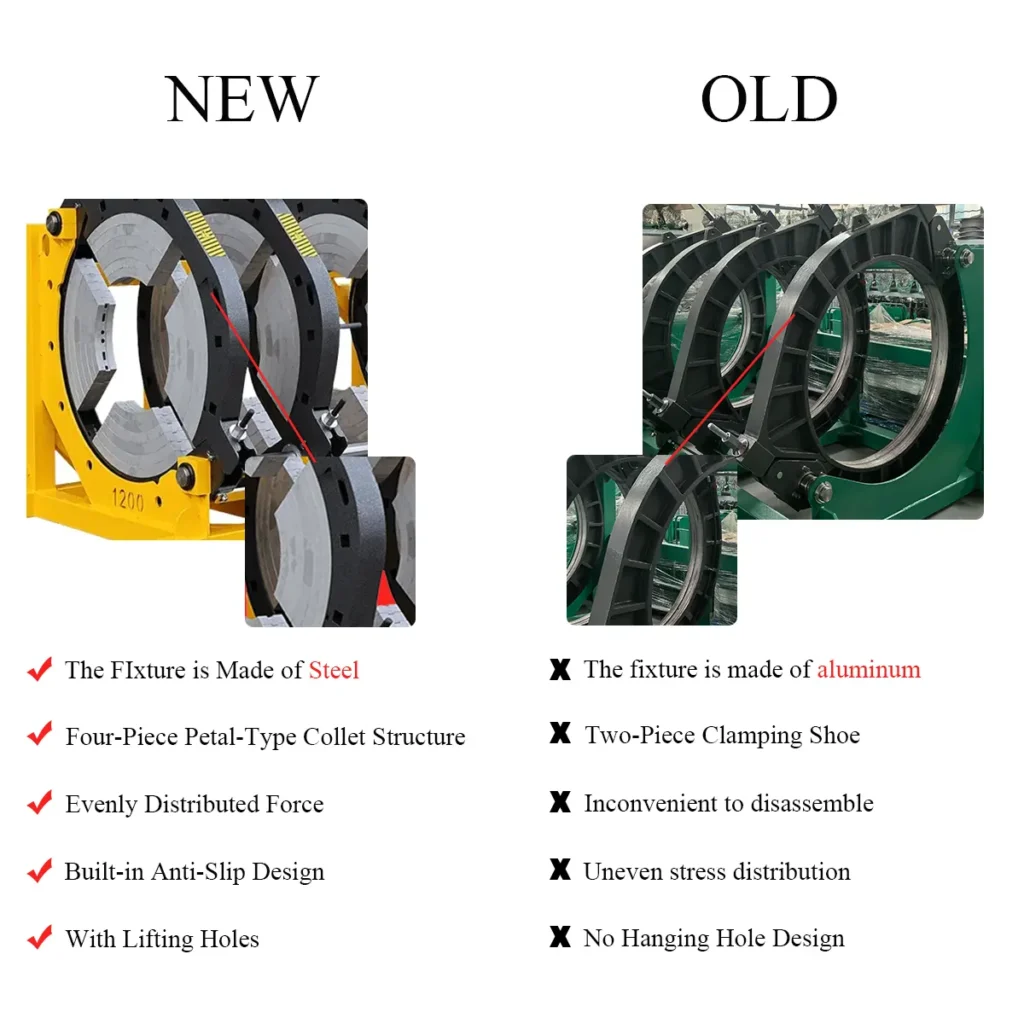
HDPE hydraulic butt fusion welders combine controlled hydraulic pressure with precise heating to produce strong, leak-proof joints for polyethylene pipe systems. This guide explains how to choose the right welder, perform reliable welds, and operate equipment with minimal training—helping contractors, utilities, and pipeline crews boost productivity and ensure consistent quality.
What Is a Hydraulic Butt Fusion Welder?
A hydraulic butt fusion welder uses hydraulics to clamp, align, and press pipe ends together while a heated plate softens the HDPE surfaces. The result is a homogeneous molecular bond that matches the pipe’s base material strength. Compared with manual units, hydraulic models deliver repeatable pressure control, faster cycle times, and better alignment for medium to large diameter pipes.
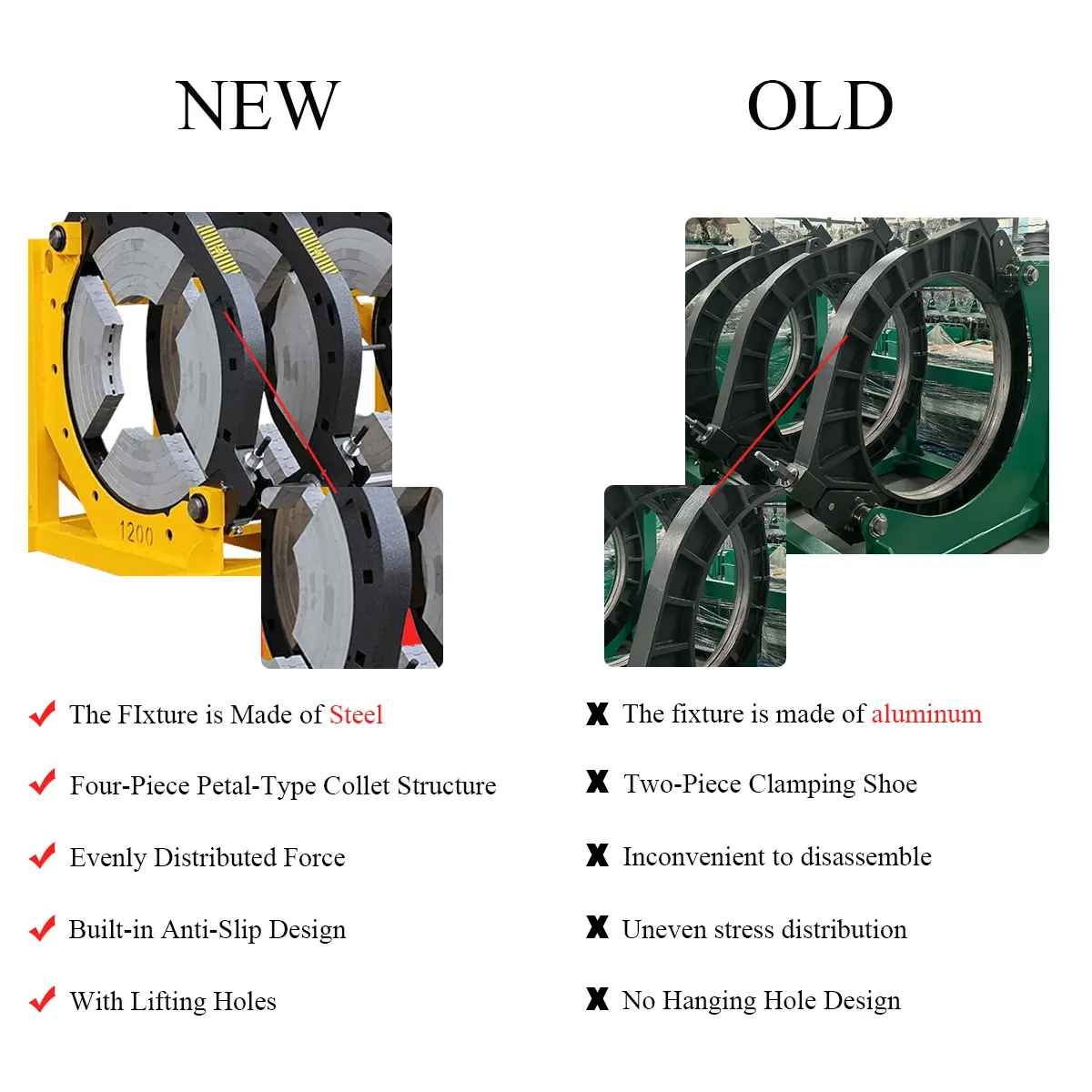
Primary Advantages
Consistency: Hydraulic systems maintain stable pressure during cooling, reducing joint variability.
Ease of use: Intuitive controls and powered clamping lower operator fatigue and training time.
Scalability: Available for small-diameter distribution networks up to very large mains and industrial lines.
Hydraulic welders are ideal when multiple, identical welds are required on a construction schedule where speed and quality control are essential.
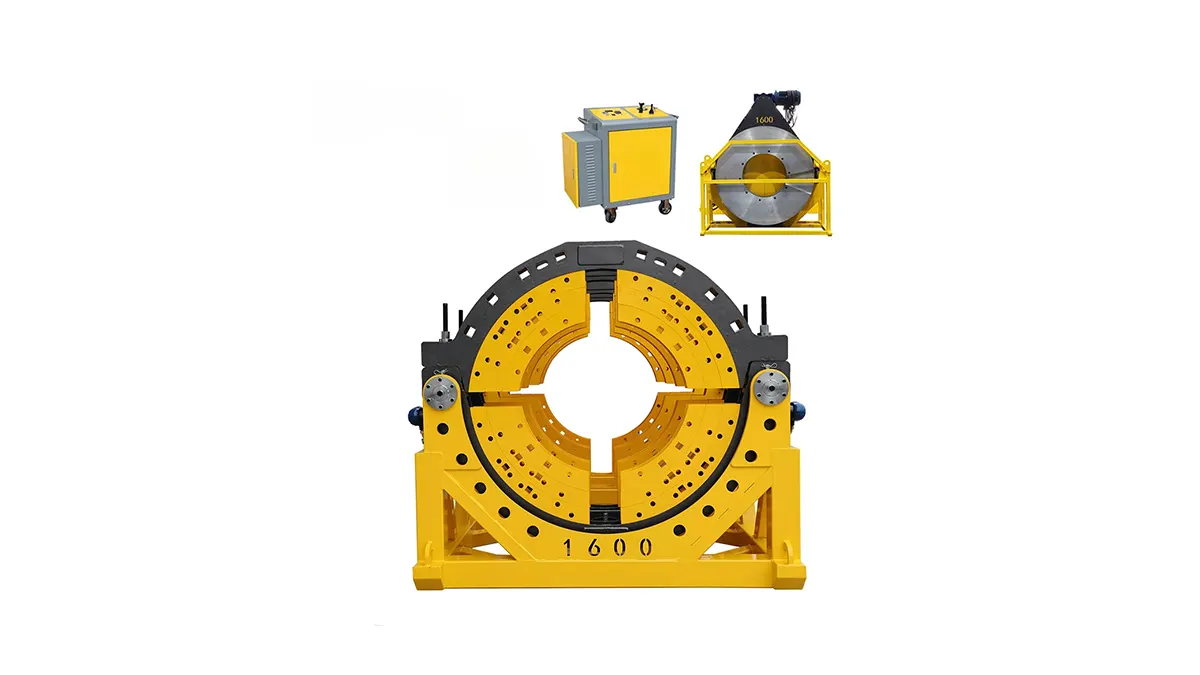
Step-by-Step: Reliable Butt Fusion Procedure
1. Inspection & Preparation: Check pipe ends for contamination, square the faces using a trimmer, and confirm material compatibility (PE80/PE100).
2. Alignment & Clamping: Secure pipes in the hydraulic clamps to ensure concentricity and gap control.
3. Facing & Cleaning: Face both ends to remove oxide and ensure a smooth, parallel surface. Wipe with recommended cleaner.
4. Heating: Place the heating plate between ends and apply pressure until the correct melt bead forms according to the welding chart.
5. Fusion & Cooling: Remove heater, bring pipe ends together under controlled hydraulic pressure, and hold until the joint cools to ambient-rated strength.
Following manufacturer parameters for temperature, pressure, and time is critical to achieve a high-integrity weld every cycle.
Quick Troubleshooting Tips
If the bead is asymmetrical or the joint shows underfill/overfill, verify face preparation, heater temperature uniformity, and clamp alignment. For inconsistent cooling, check hydraulic pressure stability and ambient conditions—wind and cold ground can prolong cooling times.
Selecting the Right Model
Match machine capabilities to project demands: pipe OD range, site mobility, automation level (manual vs automatic cycle control), and available power. For distributed crews working on municipal water or gas lines, compact hydraulic units with quick setup save time. For large pipelines, choose high-tonnage, chassis-mounted models with precision controls.
Specification Reference
| Model | Pipe OD Range | Max Fusion Pressure | Power Type | Typical Use |
|---|---|---|---|---|
| JQH160 | 20–160 mm | High | Electric/Hydraulic | Local water & gas |
| JQH355 | 90–355 mm | Higher | Hydraulic | Medium mains |
| JQH1600 | 400–1600 mm | Very High | Hydraulic/Engine-driven | Large-diameter trunk lines |
Maintenance Best Practices
Keep hydraulic hoses and fittings inspected for leaks, clean the heating plate surface, verify temperature sensors, and service pumps per the manufacturer schedule. Properly maintained welders reduce downtime and prevent weld quality issues.
Applications & Compliance
Hydraulic butt fusion welders are used across water supply, gas distribution, mining, and industrial process piping. For regulated sectors, ensure welding procedures follow local standards and that operators are trained to document weld parameters for traceability.
For reliable HDPE welding solutions and to explore models that match your project needs, visit JQ-Fusion: https://jq-fusionwelding.com/



