
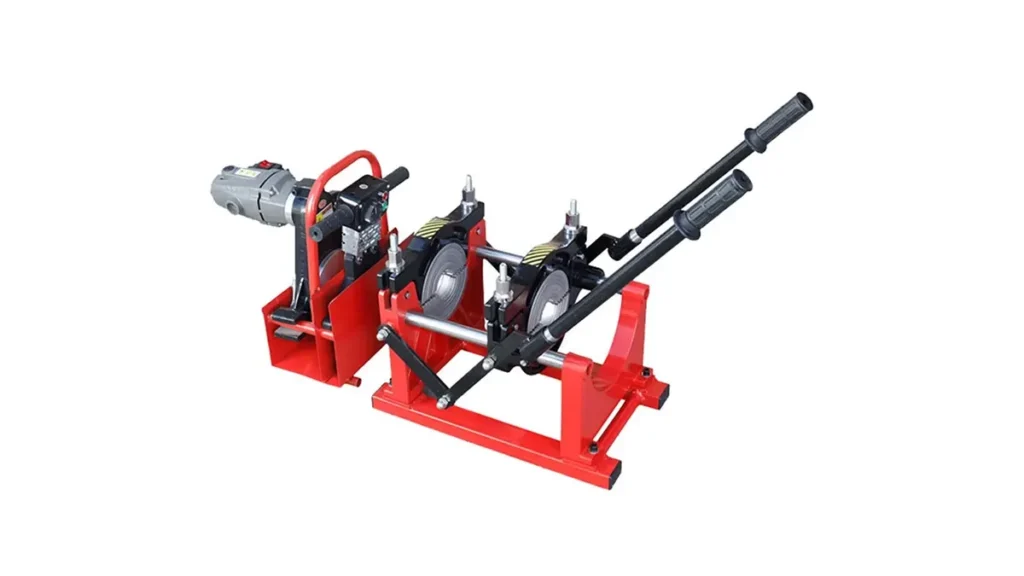
In Kazakhstan’s expanding infrastructure landscape, reliable HDPE welding solutions are essential for building durable water supply, gas distribution, mining, and irrigation pipelines. Local contractors and municipal teams need machines that perform in extreme temperature ranges and varied site conditions — from urban projects in Almaty to remote oilfield and mining installations in the steppe and northern regions.
Overview: Why HDPE Welding Matters in Kazakhstan
HDPE (high-density polyethylene) pipes are preferred across Kazakhstan for their corrosion resistance, long service life, and flexibility in cold climates. Choosing the right HDPE welder ensures leak-free butt fusion or electrofusion joints that meet international safety standards and reduce long-term maintenance costs.
Key Applications and Local Needs
Kazakhstan’s primary sectors using HDPE welding include municipal water systems, natural gas distribution, agricultural irrigation, and mining tailings pipelines. Contractors require equipment that is:
Portable and robust — for worksites that lack paved access;
Easy to operate — to reduce training time for local crews who speak Russian or Kazakh;
Adaptable across diameters — from small irrigation lines to large-diameter municipal mains.
Types of HDPE Welders Suitable for Kazakh Projects
Selecting the right welding technology depends on project scale and environment:
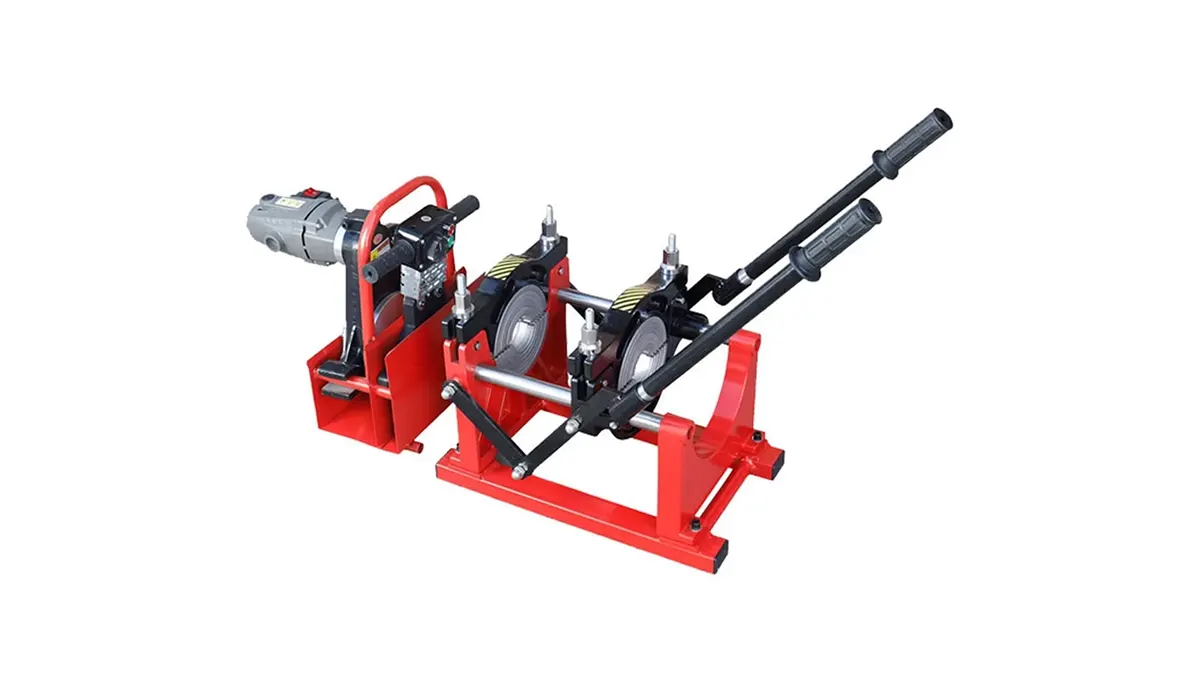
Manual butt fusion — cost-effective for smaller jobs and remote repairs.
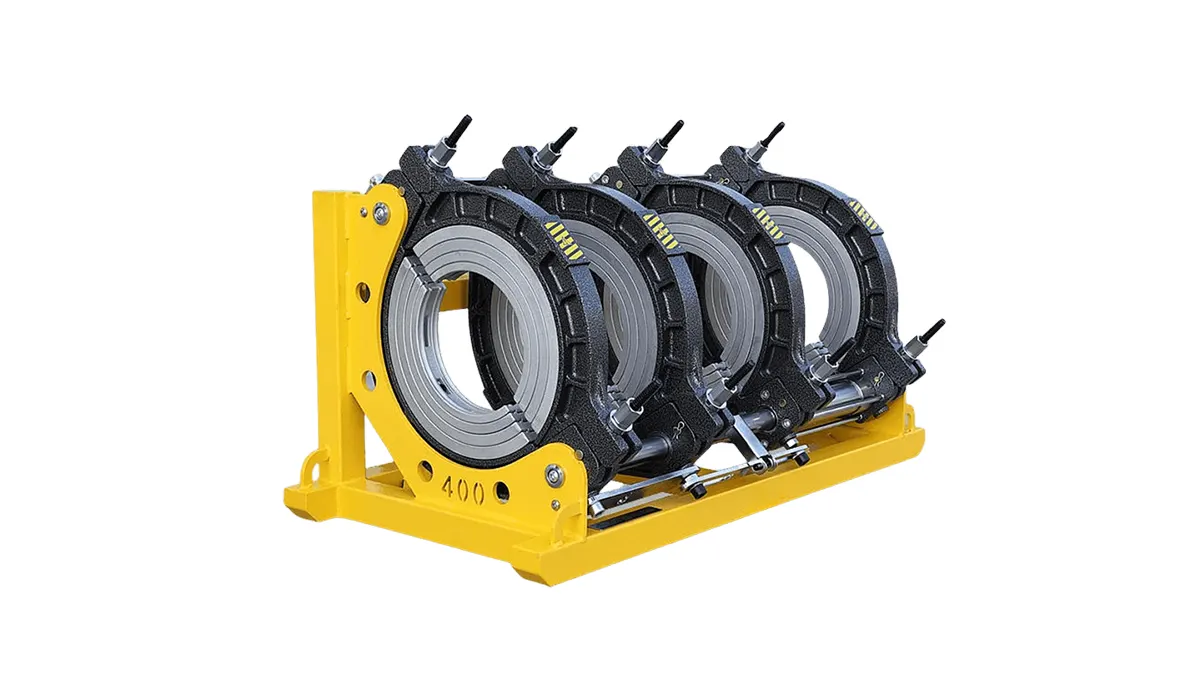
Hydraulic butt fusion — provides consistent pressure for medium to large pipelines in municipal and industrial builds.
Automatic/CNC butt fusion — ideal for high-volume, precision welding on large projects.
Electrofusion — preferred for fittings and repairs where space or orientation limits butt fusion access.
Performance Comparison at a Glance
| Welder Type | Best For | Advantages |
|---|---|---|
| Manual Butt Fusion | Small repairs, irrigation | Lightweight, low cost, portable |
| Hydraulic Butt Fusion | Municipal & industrial mains | Consistent pressure, durable joints |
| Automatic/CNC | Large projects, high throughput | Precision, repeatability, documentation |
| Electrofusion | Fittings & constrained joints | Fast installation, ideal for repairs |
Tips for Successful HDPE Welding in Kazakhstan
Prepare the site to minimize dust and moisture, especially during spring thaw or snowy months. Verify pipe alignment and cleanliness — a clean, correctly trimmed surface is critical for reliable fusion. In cold weather, pre-heating procedures and controlled heating plate temperatures help prevent brittle joints.
For pipeline projects near oil & gas fields or mines, ensure weld records and traceability meet inspection requirements used by local regulators and international contractors.
Maintenance, Training, and After-Sales
Routine maintenance and operator training are investments that pay off through fewer site failures. Local crews benefit from hands-on training and clear documentation in Russian or Kazakh. Access to spare parts and responsive maintenance reduces downtime on seasonal or remote projects.
Manufacturer Snapshot
JQ-Fusion manufactures a full range of HDPE welding machines — manual, hydraulic, and automatic butt fusion units — designed to support pipeline construction across diverse environments.
Choosing a Local Partner or Supplier
When sourcing equipment for Kazakhstan, prioritize suppliers who understand regional logistics and can provide timely shipping, customs assistance, and technical support. Consider warranty terms, training options, and availability of consumables like heating plates and clamps.
Next Steps for Project Managers
For accurate equipment selection, evaluate project pipe diameters, site conditions, and expected weld volumes. Request machine demonstrations, sample welds, and documentation for quality assurance. This approach ensures you select an HDPE welder that delivers consistent, long-lasting joints for Kazakhstan’s unique project environments.



