
Senegal’s rapid infrastructure growth — from urban water networks in Dakar to rural irrigation systems and mining pipeline projects in Kaolack and Kedougou — demands reliable HDPE pipe welding solutions that deliver consistent, strong joints under local site conditions. This guide explains practical welding equipment choices, on-the-ground considerations, and how to select machines that match Senegalese project needs.
Why HDPE Welding Matters for Senegal’s Water and Industrial Projects
HDPE piping offers corrosion resistance, flexibility, and long service life, making it ideal for Senegal’s coastal and inland environments. Proper fusion welding is key: quality butt fusion or electrofusion ensures leak-free connections that resist pressure fluctuations, UV exposure, and soil movement common across the country’s varied terrain.
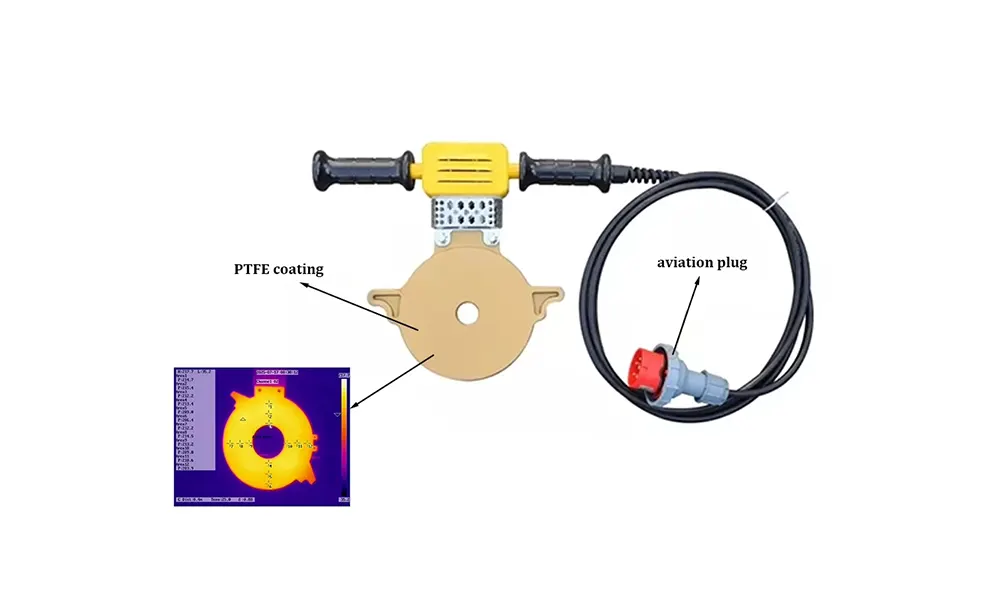
Common Welding Challenges in Senegal
Local contractors and municipal teams often face:
– variable power supply on remote sites,
– high ambient temperatures and dust,
– transport constraints for large-diameter equipment,
– the need for straightforward operation and fast training for local crews.
Choosing the Right Machine Type
Match the machine to the job and site conditions:
Manual Butt Fusion
Best for small-diameter distribution lines and rural installations where portability and simplicity are priorities. Manual machines are light, require minimal maintenance, and can be operated with basic training.
Hydraulic Butt Fusion
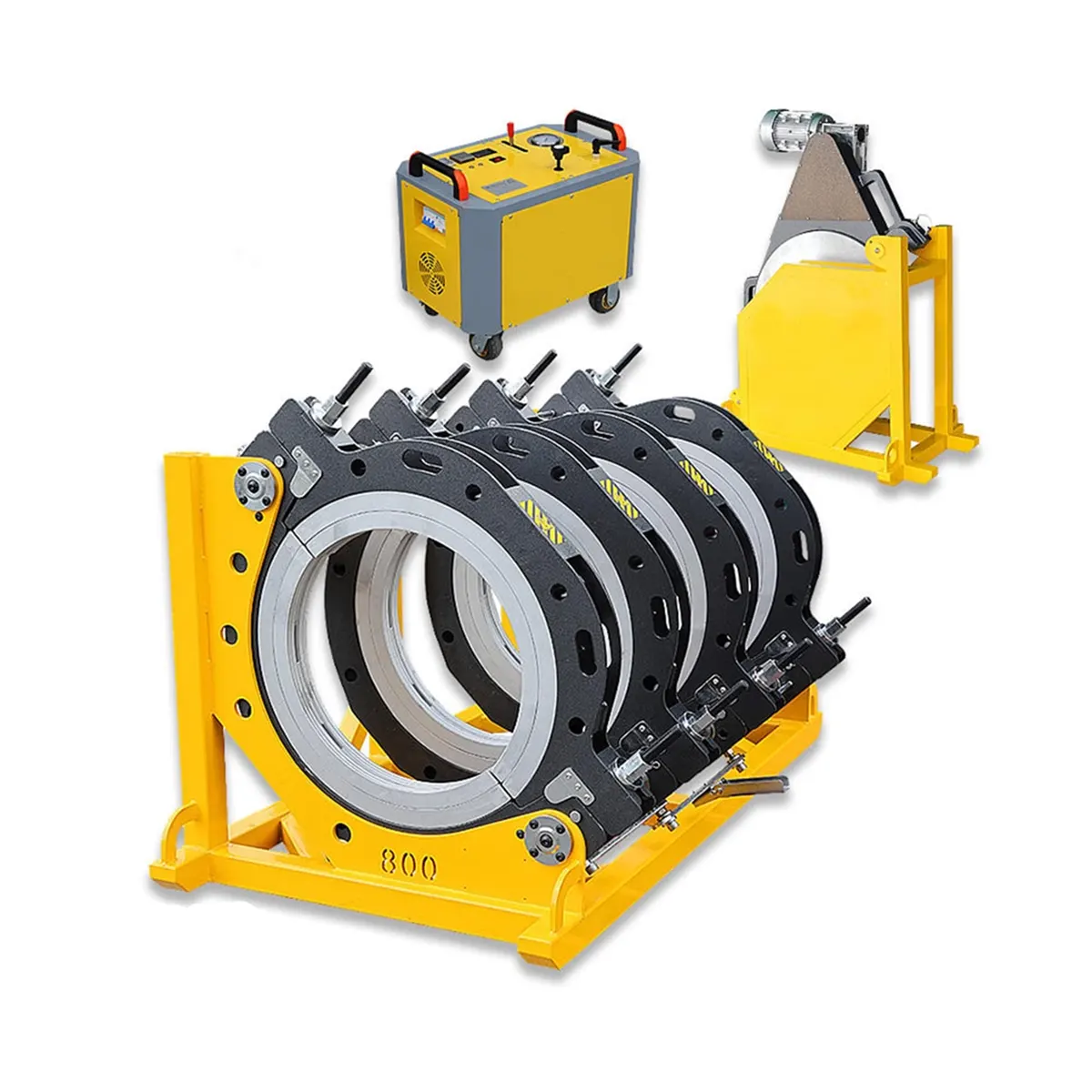
Ideal for medium to large pipelines used in municipal water supply and mining. Hydraulic units provide consistent clamping force for larger diameters and are well-suited to industrial-scale projects around Thiès and Saint-Louis.
Automatic / CNC Solutions
For high-volume or precision welding on major trunk lines, automatic and CNC-controlled butt fusion machines deliver repeatable weld quality and detailed welding logs — important for compliance in major public works and export-oriented mining projects.
Key Specifications to Compare
When evaluating machines for use in Senegal, consider portability, power options, pipe diameter range, and service support availability. The table below highlights typical spec categories to compare:
| Model / Type | Diameter Range | Power Options | Typical Use |
|---|---|---|---|
| Manual Butt Fusion | 20mm – 315mm | Battery / Portable generator | Rural water lines, repair works |
| Hydraulic Butt Fusion | 160mm – 1800mm | 3-phase / Diesel generator | Municipal supply, industrial pipelines |
| Automatic / CNC Butt Fusion | 250mm – 2250mm+ | 3-phase industrial power | High-precision trunk lines, mining |
Practical Tips for Senegalese Projects
To ensure reliable installation and long-term pipeline performance:
– Train local teams on weld parameter control and visual inspection.
– Use portable generators with stable output for remote sites.
– Store welding tools and fittings in shaded, dry locations to avoid UV and heat damage.
– Keep detailed weld records for major municipal contracts and donor-funded water projects.
Service, Spare Parts and Local Support
Availability of spare parts and prompt technical support reduces downtime. Prioritize suppliers who provide clear documentation, training materials in French or local languages, and remote troubleshooting to assist Senegalese contractors and public works teams.
Durability and Compliance
Machines built with robust components, corrosion-resistant materials, and sealed electronics perform better in coastal zones like Ziguinchor. Compliance with international fusion standards protects long-term project investments and ensures pipeline safety under varying operating pressures.
Final Note
For contractors and project managers working across Senegal — whether on urban potable water systems, rural irrigation, or mining pipelines — selecting the right HDPE welding equipment is a foundational decision. JQ-Fusion offers a range of butt fusion and electrofusion solutions designed to meet these diverse needs with quality and reliability.



