
Choosing the right butt fusion machine for a project in Mauritius requires balancing pipe size, site conditions, and logistics. Tropical climate, island transport, and local regulations all influence the best choice for long-lasting, leak-free HDPE pipeline installations.
Why the Right Butt Fusion Machine Matters in Mauritius
Durability and weld quality determine pipeline lifespan in coastal and inland projects across Mauritius — from water supply upgrades to agricultural irrigation and gas distribution on smaller islands. Poorly matched equipment leads to rework, higher transport costs, and downtime for crews working in remote or congested sites.
Key Factors to Consider
1. Pipe diameter and pressure class
Start by matching the machine to the pipe OD range and SDR/pressure rating you’ll weld. Projects in Mauritius commonly use pipes from small distribution lines (20–160mm) to larger water mains (200–800mm). Choose a machine with clamp systems and adapters that cover your full expected range.
2. Machine type: manual, hydraulic, or automatic
Manual units are lightweight and cost-effective for small jobs; hydraulic and CNC automatic machines deliver consistent results and higher throughput for large-diameter mains. For island projects where skilled operators may be limited, an automatic unit can boost weld consistency and reduce training time.
| Machine Type | Best for | Pros / Cons |
|---|---|---|
| Manual | Small jobs, tight budgets | Low cost, portable / Lower throughput |
| Hydraulic | Medium to large pipelines | Consistent pressure, robust / Heavier, needs power source |
| CNC Automatic | High-volume, precision critical | High precision, data logging / Higher initial cost |
3. Power options and site logistics
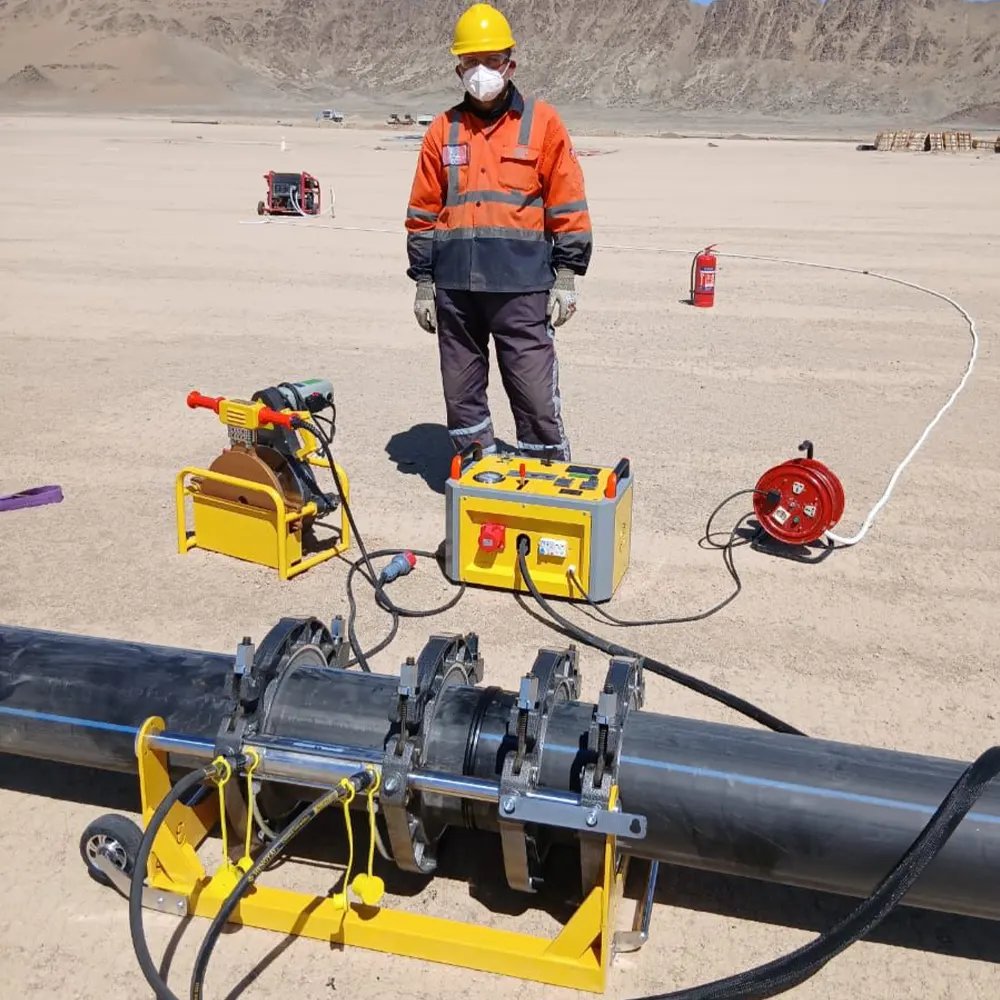
Mauritius projects may face intermittent grid power in remote areas. Consider machines that can run from a portable generator or have low-voltage electric options. For road- or boat-access sites, weight and crate dimensions affect shipping and on-site handling costs.
4. Portability and ease of setup
Lightweight frames, quick-change clamps, and compact heaters reduce crew time. If teams move between coastal works and inland sites, choose modular systems that break down into manageable loads for trucks or small vessels.
5. Climate resistance and corrosion protection
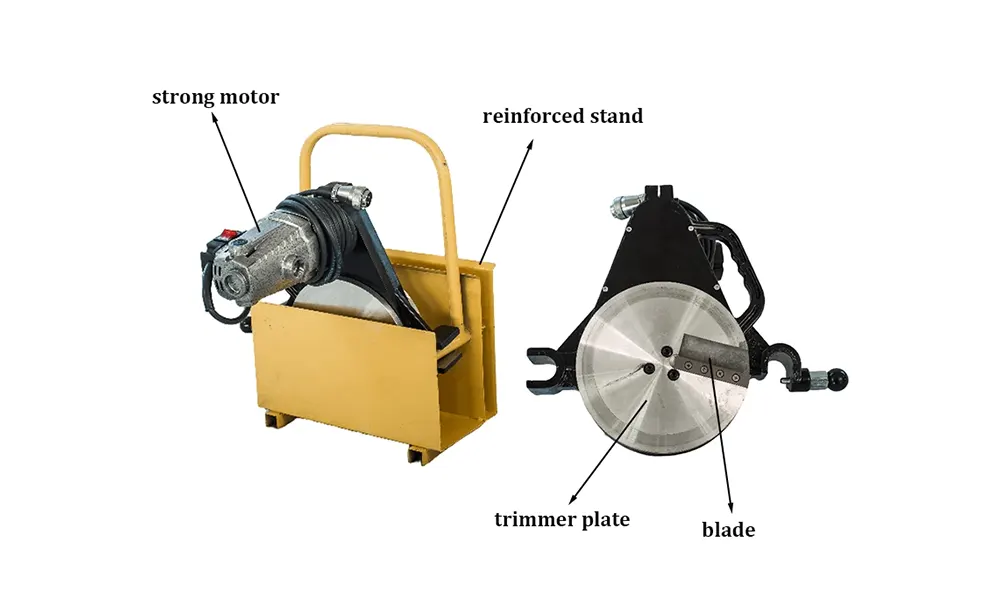
Salt air and high humidity accelerate corrosion. Select equipment with marine-grade finishes or easily replaceable parts. Protective covers for heaters and electronic controllers extend service life in tropical conditions.
6. Certifications, traceability, and weld records
Look for machines and controllers that support documented weld records (temperature, pressure, fusion time). Compliance with recognized standards (ISO, EN, or other regional specs) helps with project approvals and long-term maintenance planning.
7. Support, training and spare parts availability
Given Mauritius’s island location, choose a supplier who can provide fast spare parts delivery and remote training. Reliable technical backup reduces downtime and avoids costly import delays.
Estimating Total Cost of Ownership
When comparing models, evaluate upfront price plus lifecycle costs: consumables (heater plates, scrapers), maintenance, spare parts shipping, and operator training. A slightly higher-capability machine often reduces labor and rework, improving ROI on multi-year infrastructure projects.
Quick Selection Checklist
• Confirm pipe OD range and SDR ratings for the whole project.
• Decide throughput needs: occasional repairs vs continuous installation.
• Verify power options (grid, generator, battery) on site.
• Check corrosion protection for coastal environments.
• Ensure weld data logging and certification compatibility.
• Confirm supplier support and parts shipping times to Mauritius.
Supplier note
JQ-Fusion (https://jq-fusionwelding.com/) offers a wide range of manual, hydraulic, and CNC automatic butt fusion machines with global shipping and after-sales support tailored to infrastructure projects.
Final tips for Mauritius projects
For small island works prioritize portability and simplicity; for major water or gas mains consider hydraulic or automatic machines with documented weld logs. Planning shipping and spare-part stock before mobilization avoids downtime and keeps costs predictable.



