
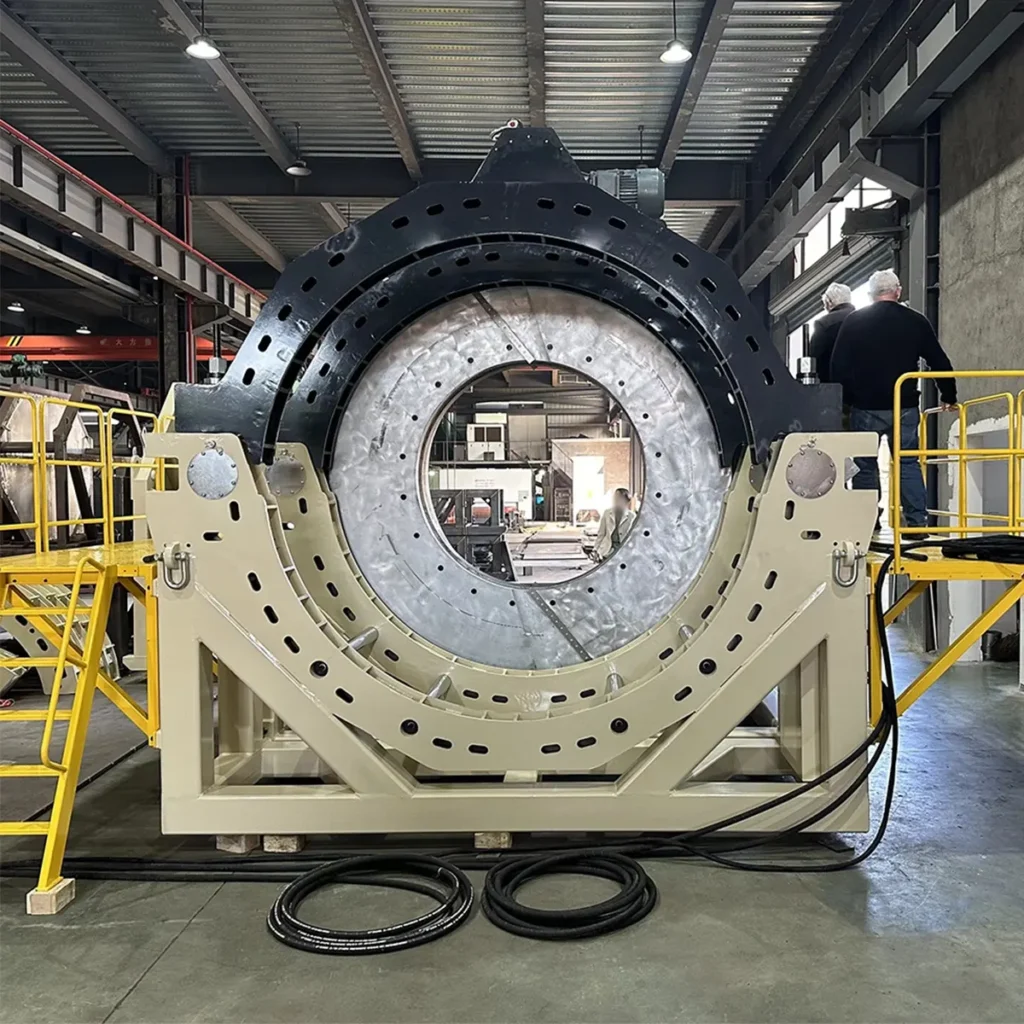
Iceland’s infrastructure projects — from geothermal pipelines and remote water supply lines to fishery ports and municipal distribution networks — demand dependable HDPE pipe welding equipment. This guide highlights reliable butt fusion solutions, machine types, selection criteria, and practical tips for contractors and engineers working in Iceland’s unique climates and terrain.
Why Iceland Needs Specialized HDPE Pipe Welding Solutions
Harsh weather, remote job sites, and long transport distances mean welding machines must be robust, portable, and easy to maintain. HDPE is widely used in Iceland for corrosion resistance and flexibility in geothermal and water systems. Choosing the right butt fusion equipment reduces downtime, minimizes rework, and ensures long-term leak-free joints under freeze-thaw cycles and geothermal heat exposure.
Machine Types Suited to Icelandic Projects
Manual Butt Fusion — Ideal for small-diameter repairs and sites with limited power. Lightweight and easy to transport between fjord-side villages and highland installations.
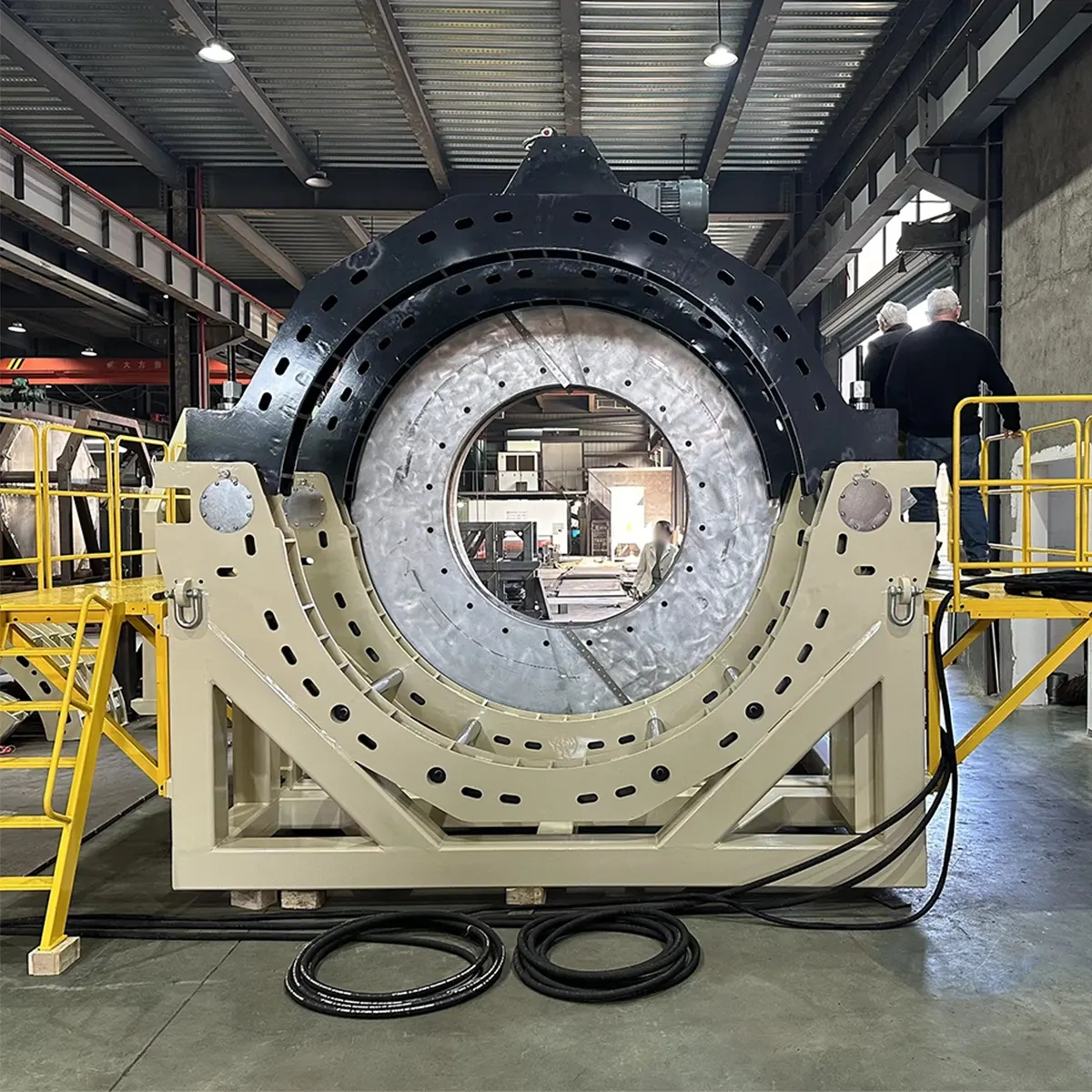
Hydraulic Butt Fusion — Provides higher clamping force for larger pipes and consistent weld pressure, suitable for municipal water mains and geothermal loop assemblies.
CNC Automatic Butt Fusion — Best for repetitive, precision welding on larger projects such as district heating pipelines or industrial installations where traceable welding records and automation increase quality and speed.
Quick Comparison Table
| Machine Type | Typical Pipe Range | Best Use |
|---|---|---|
| Manual | 20–160 mm | On-site repairs, rural water lines |
| Hydraulic | 160–2250 mm | Municipal mains, geothermal headers |
| CNC Automatic | 63–1250 mm+ | High-volume, traceable welds |
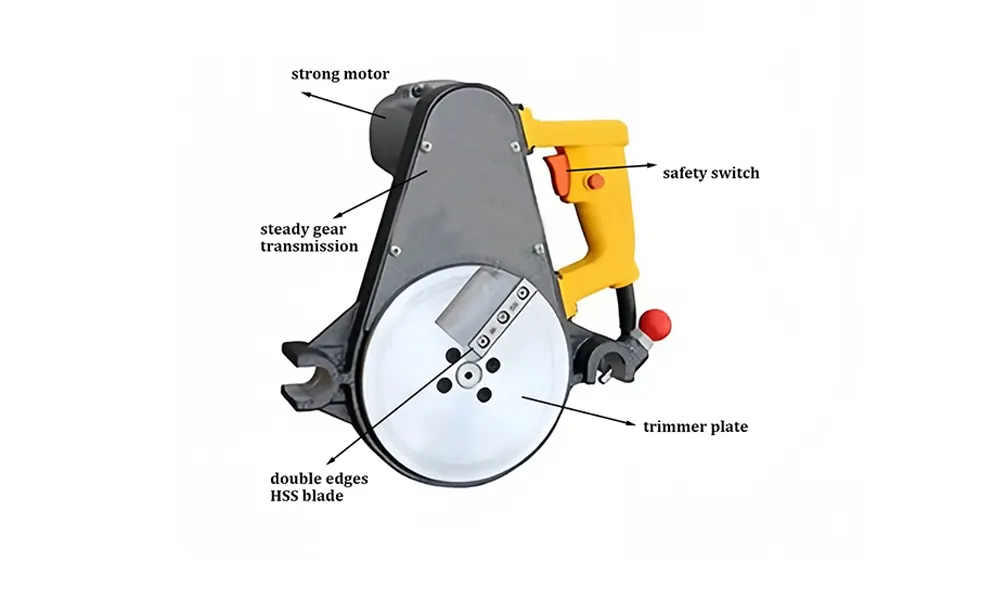
Key Features to Prioritize
Durability: corrosion-resistant frames and sealed electronics handle coastal salt spray and geothermal minerals.
Portability: foldable or modular frames make transport over rough roads and ferries easier.
Power Flexibility: options for low-voltage or generator operation suit sites without stable grid access.
Traceability & Controls: digital temperature and pressure monitoring for quality assurance, especially important on regulated water and heating projects.
Installation, Training & Service Considerations
Iceland’s dispersed population and seasonally constrained work windows make on-site training and fast spare-part delivery essential. Machines with intuitive controls require shorter training time for local crews and contractors. When planning procurement, factor in shipment times from Europe or overseas and choose vendors with responsive technical support and clear documentation.
Safety & Compliance for Icelandic Projects
Ensure welding equipment and procedures meet relevant international standards and Icelandic regulations for potable water, geothermal systems, and gas distribution. Pressure-tested butt fusion joints and proper certification records protect both contractors and end users.
Selecting the Right Machine for Your Project
Match machine capacity to pipe diameter and job scale, consider project logistics (access, power, weather), and prioritize features that reduce rework in freezing or corrosive environments. For tailored solutions and dependable global support, contact JQ-Fusion at https://jq-fusionwelding.com/.



