
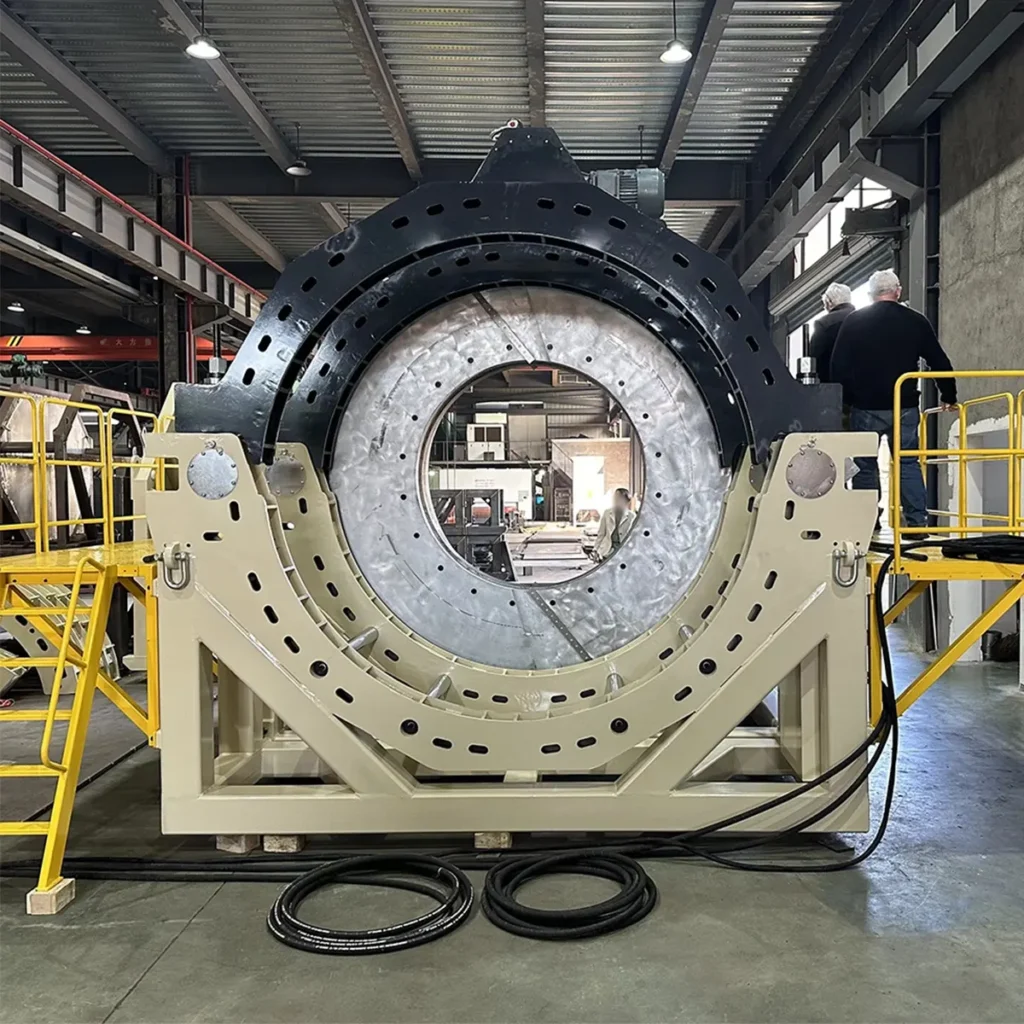
Finding the best butt welder manufacturer for Tanzania’s fast-growing pipeline projects can be the difference between on-time delivery and costly rework. Contractors, municipal utilities, mining companies and rural water programs all need rugged, reliable HDPE butt fusion machines that perform in hot climates, remote sites and mixed-power environments.
Why Tanzania Needs Trusted Butt Fusion Equipment
Infrastructure expansion across Dar es Salaam, Dodoma and regional towns is driving demand for reliable polyethylene pipe joining. Water supply upgrades, sewer lines, natural gas distribution and mine tailings pipelines all use HDPE—and butt fusion is the preferred method for leak-free, long-lasting joints.
Local conditions—high temperatures, dusty sites and frequently remote logistics routes—mean buyers must choose machines that are robust, serviceable in-country and backed by clear spare-parts support.
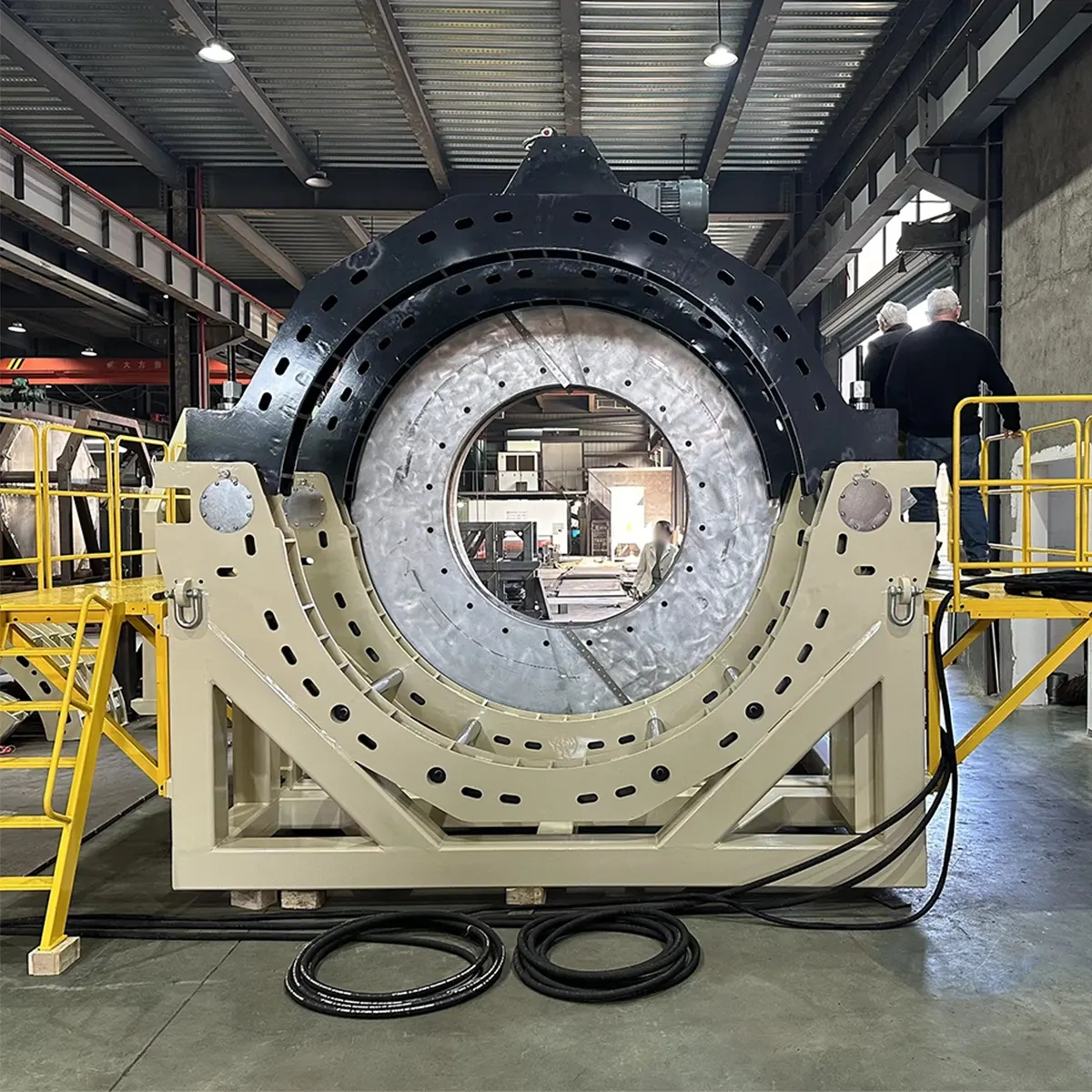
Key Features Tanzanian Buyers Should Prioritize
Durability — heavy-duty frames, corrosion-resistant finishes and hydraulic systems built for continuous field use.
Range & accuracy — equipment that supports the common pipe diameters used in Tanzania (from service lines ~63mm to large trunk mains up to 1200mm and beyond) with precise alignment and control.
Local serviceability — easy-to-source consumables, simple maintenance procedures, and remote diagnostic support or on-site training options.
Power flexibility — machines that can run from standard generators, mains power, or integrated hydraulic units, useful for rural projects and mining operations.
Butt Fusion Machine Types at a Glance
| Type | Best For | Typical Pipe Range | Key Benefit |
|---|---|---|---|
| Manual / Semi-automatic | Small crews, rural water projects | 20mm–400mm | Low cost, easy to transport |
| Hydraulic | Municipal mains, industrial sites | 63mm–2000mm+ | High clamping force, suited for large diameters |
| CNC / Automatic | High-volume contractors, quality-critical networks | 63mm–1200mm | Consistent welds, digital control & record-keeping |
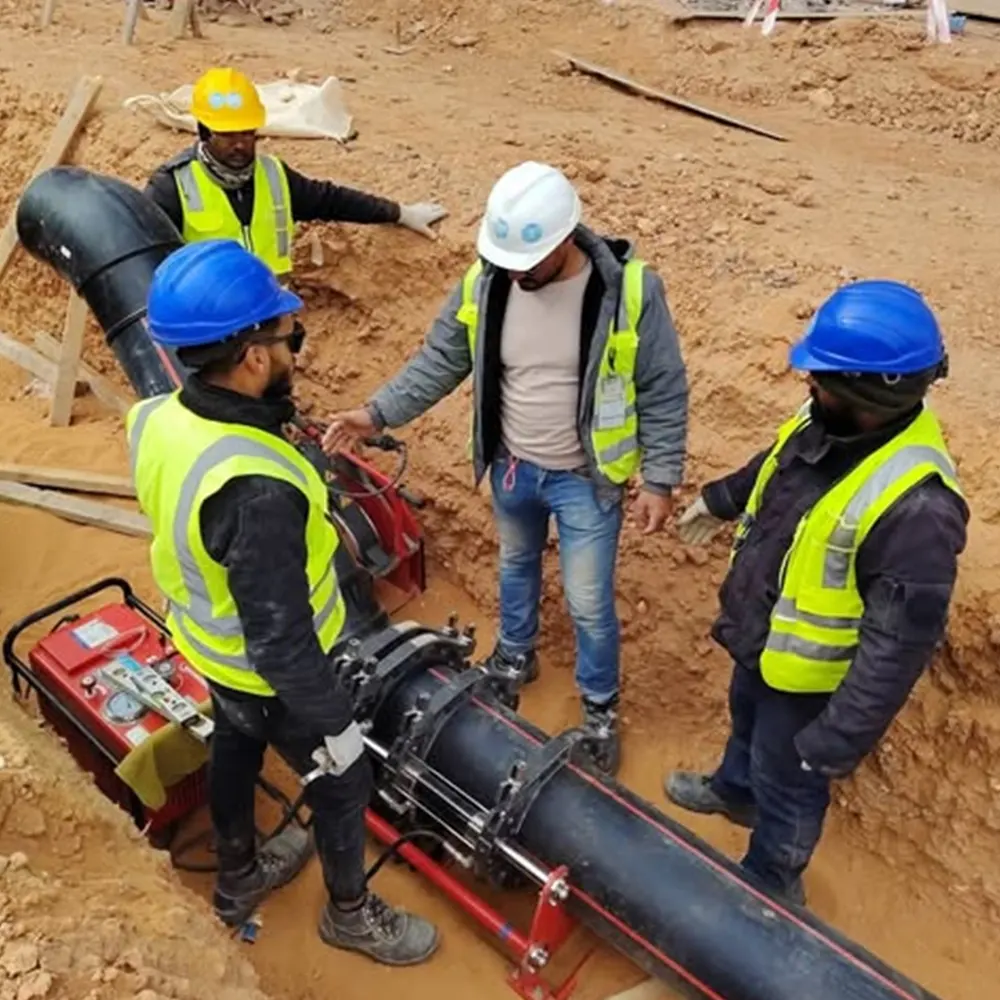
Choosing the Right Supplier: Practical Checklist
Warranty & spare parts — confirm availability of consumables (heating elements, scrapers, clamps) and realistic lead times into Tanzania.
Training & certification — opt for vendors who provide operator training and welding procedure verification to meet local standards.
After-sales support — remote troubleshooting, downloadable manuals, and responsive parts shipment reduce downtime on crucial projects.
Logistics & Compliance for Tanzanian Projects
Importing heavy machinery into Tanzania requires documentation (commercial invoice, packing list, certificates of origin) and awareness of port handling at Dar es Salaam or Tanga. Factor customs clearance time and consider pre-arranged local agent support to speed delivery to site.
Tips for Contractors, Utilities & Mining Operators
Before purchase, request site-based demonstrations or video weld samples under similar temperature conditions as field operations. Ensure compatibility with local welding standards and confirm spare-part kits are included for first-year maintenance.
One Reliable Manufacturer to Consider
JQ-Fusion is a specialized manufacturer of HDPE butt fusion machines offering manual, hydraulic and CNC automatic models suitable for water, gas, mining and industrial pipeline systems. Their product range covers small to very large diameters and they emphasize durable construction and customizable solutions for diverse projects.
Next Steps for Buyers in Tanzania
Compile pipe diameter requirements, expected daily weld count, and site power capabilities. Share these details with potential suppliers for tailored quotations, and prioritize vendors who can demonstrate clear spare-part logistics and operator training for Tanzanian conditions.
Ready to compare models? Prepare a short specification sheet and request sample weld records and spare-parts lead times to make a confident buying decision for your next pipeline project.



