
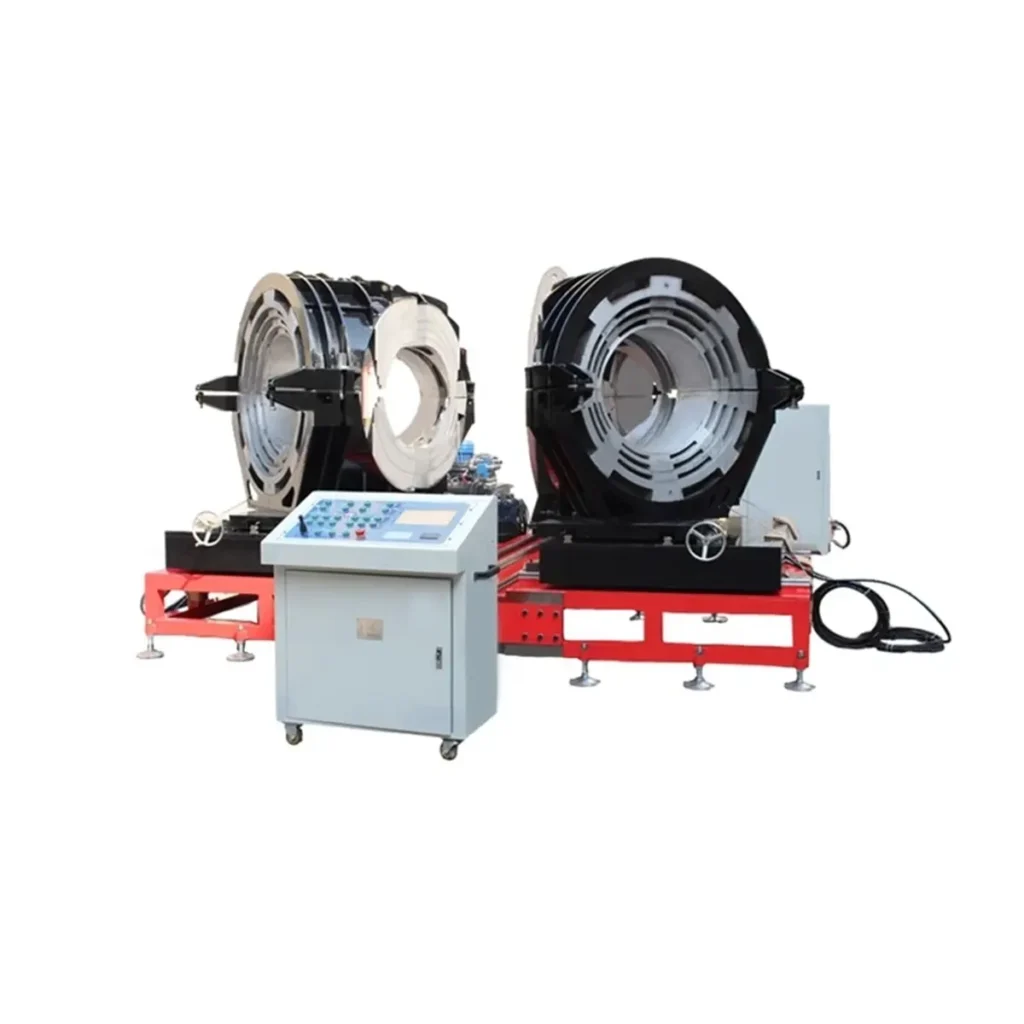
Libya’s expanding infrastructure projects — from coastal water networks to desert irrigation and oilfield distribution lines — demand robust, leak-free pipe joining solutions. Poly pipe fusion machines for HDPE and PE pipes deliver the reliability local contractors and municipalities need to build durable drinking water, gas distribution, and industrial pipelines under harsh North African conditions.
Why Poly Pipe Fusion Works for Libya
Polyethylene (HDPE/PE) piping is increasingly chosen across Libya because it resists corrosion, handles ground movement, and offers long service life with minimal maintenance. Butt fusion and electrofusion joining methods create homogeneous joints that perform well in high-temperature swings and saline coastal environments—key advantages for projects in Tripoli, Benghazi, and remote desert sites.
Selecting the Right Fusion Machine for Your Project
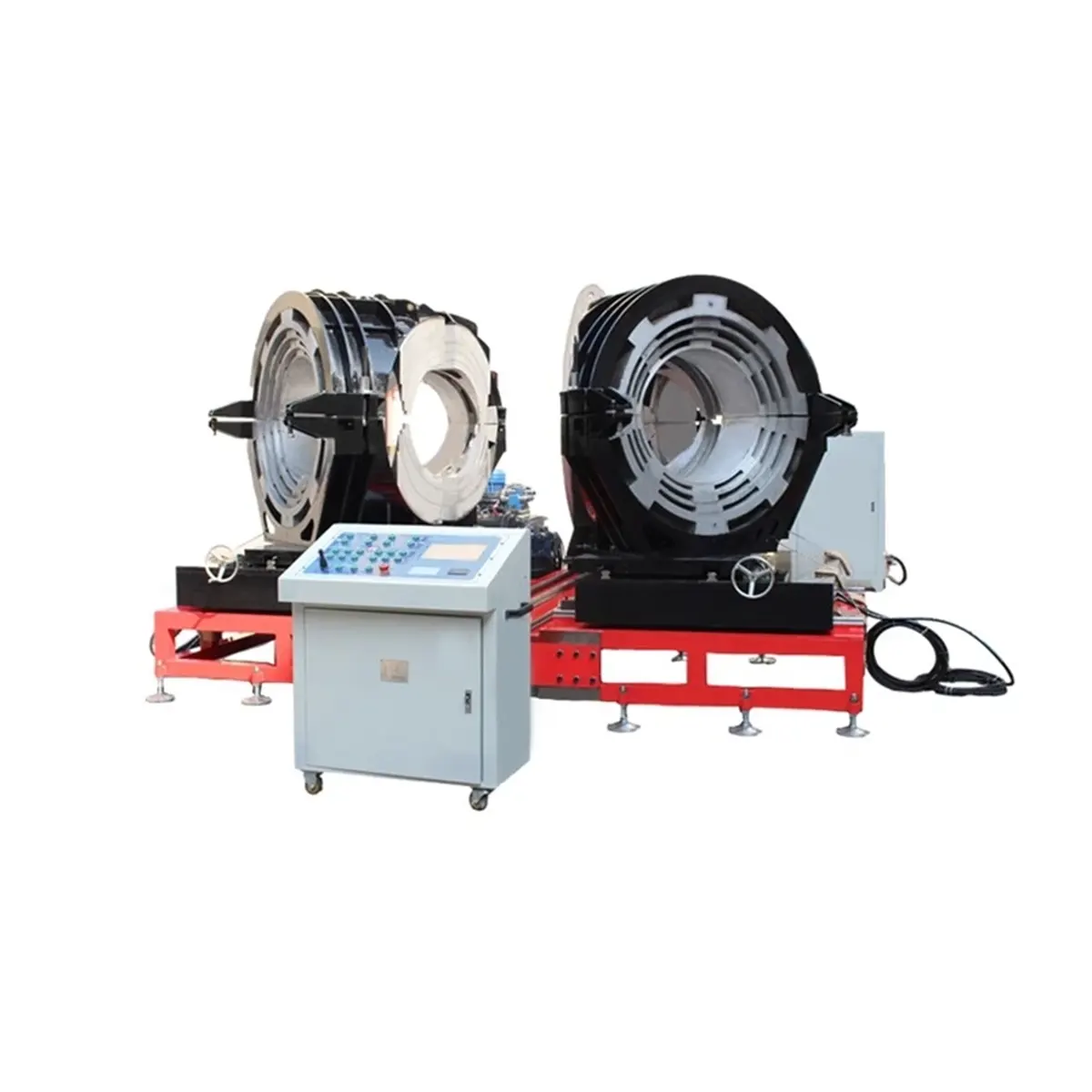
Choosing a fusion machine depends on pipe diameter, site mobility, operator skill, and production targets. Local contractors working on municipal water mains, oilfield service lines, and onshore gas laterals will typically select from manual, hydraulic, or CNC automatic butt fusion systems to balance cost and productivity.
| Machine Type | Typical Pipe Range | Best For |
|---|---|---|
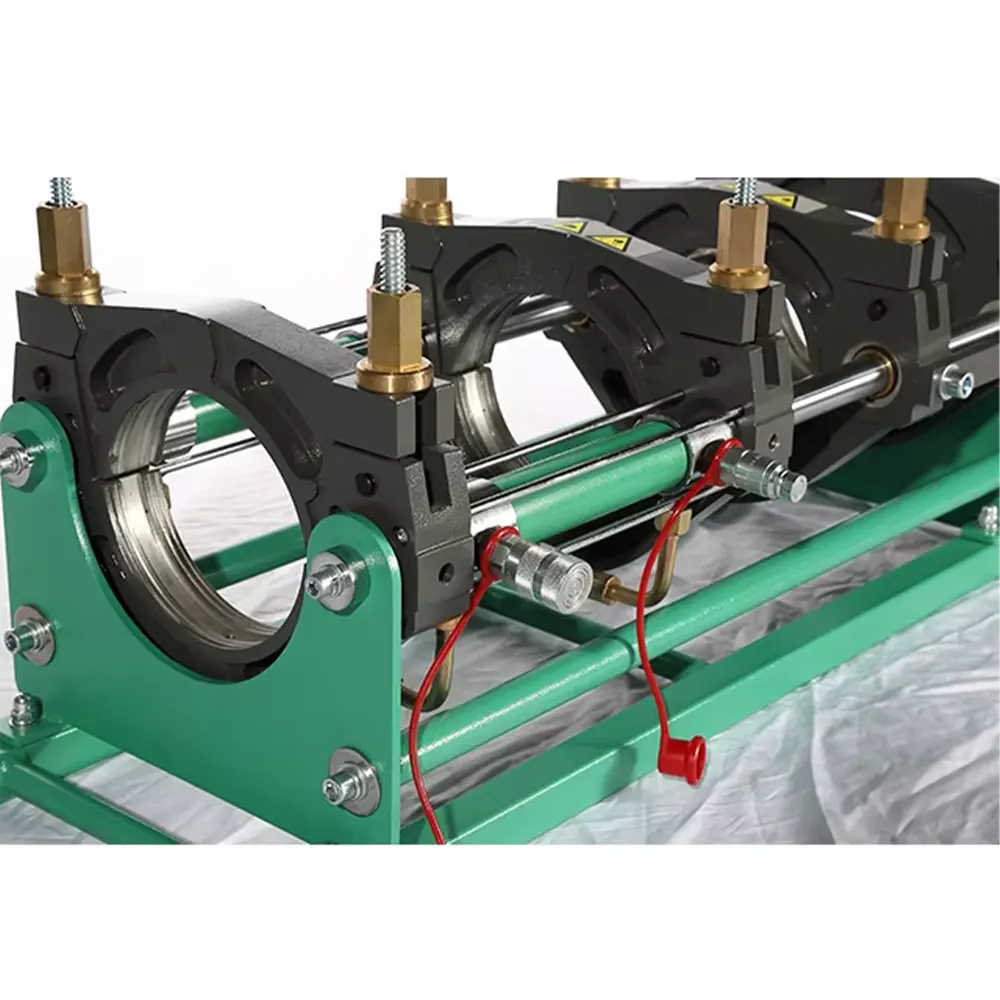
| Manual Butt Fusion | 20mm – 160mm | Small repairs, rural installations, low-budget jobs |
| Hydraulic Butt Fusion | 160mm – 1250mm+ | Municipal mains, industrial pipelines, oilfield projects |
| CNC Automatic Butt Fusion | 63mm – 630mm | High-volume networks, consistent weld quality, contractor fleets |
Performance Factors to Consider
For reliable welds in Libya’s climate, prioritize machines with precise pressure control, robust heating plates, and easy-to-read process displays. Portability matters for remote desert sites while heavy-duty hydraulic frames suit urban pipeline installations. Quality tooling and accurate alignment reduce rework and save costly downtime on large projects.
Training, Maintenance, and Local Support
Operators should receive hands-on training in fusion parameters, heating cycles, and joint inspection to meet international standards. Regular maintenance—cleaning plates, checking hydraulic oil, and verifying gauges—keeps machines productive in dusty or coastal conditions. For larger contractors and government tenders, consider outfitting crews with documented welding procedure specifications and test records to ensure compliance.
For reliable equipment matched to Libya’s pipeline needs, contact JQ-Fusion for product details, spare parts availability, and tailored machine recommendations.



