
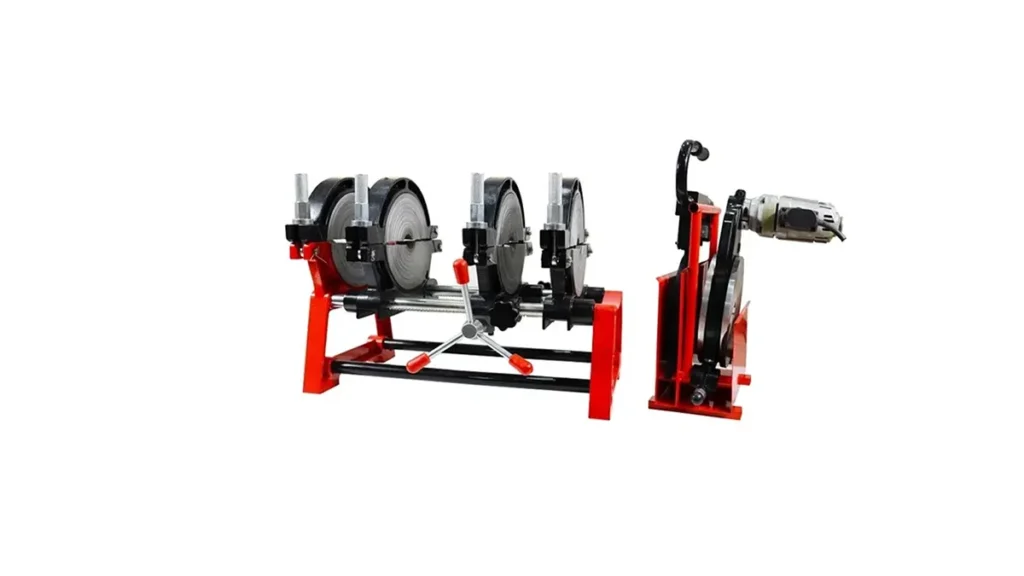
The electric fusion welding machine is a modern solution for reliable HDPE and plastic pipe joining in construction, utilities, and industrial pipeline projects. This guide explains how electric fusion processes work, the main machine types, selection criteria, best practices for on-site performance, and safety considerations—helping contractors and engineers choose the right equipment for efficient, long-lasting pipe joints.
What is Electric Fusion Welding?
Electric fusion welding refers to methods that use controlled heat and electrical power to melt and fuse thermoplastic pipe materials. Two common approaches are butt fusion (heating pipe ends on a plate) and electrofusion (using electrically-heated fittings). Both produce homogeneous joints with strength close to or exceeding the pipe material, making them ideal for water supply, gas distribution, mining, and industrial systems.
Key differences at a glance
Butt fusion joins pipe ends directly and is preferred for long runs and large diameters; electrofusion uses special fittings with embedded heating coils and is excellent for repairs, complex layouts, and connections to fittings or valves.
Types of Electric Fusion Welding Machines
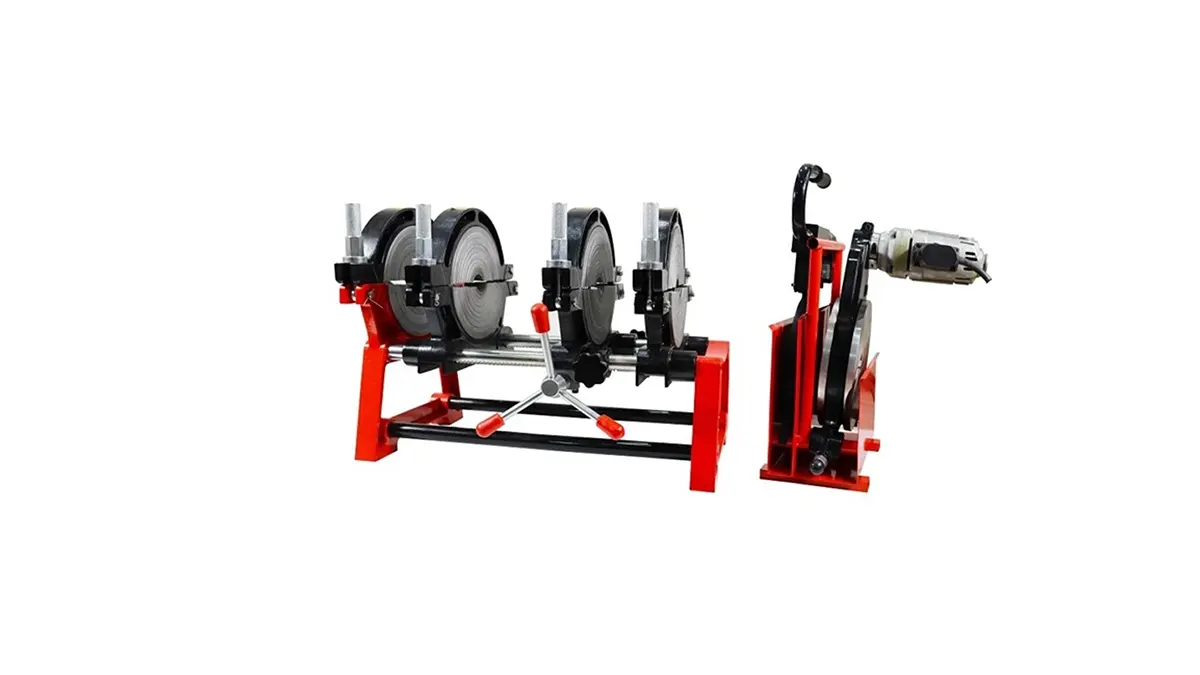
Manual Butt Fusion Machines
Simple, portable units controlled by operators. Ideal for small to medium projects where flexibility and low cost are priorities.
Hydraulic Butt Fusion Machines
Provide higher, consistent clamping and alignment force for larger diameter pipes. Suited for heavy-duty construction and long pipeline installations.
Automatic / CNC Butt Fusion Machines
Computer-controlled cycles ensure repeatable parameters (heating time, pressure, cooling). These machines maximize productivity and reduce operator error on critical infrastructure projects.
Electrofusion Machines (Electric Fittings)
Designed to power the embedded coils in electrofusion fittings with precise voltage and time control. They are the go-to choice for repair work, complex joints, and connections in confined sites.
Comparison Table: Choosing by Project Needs
| Machine Type | Best For | Typical Pipe Range |
|---|---|---|
| Manual Butt Fusion | Small sites, low budget, portability | 20mm–630mm |
| Hydraulic Butt Fusion | Large diameter lines, construction sites | 160mm–2250mm+ |
| Automatic/CNC Butt Fusion | High-volume projects, strict QA | 32mm–1600mm+ |
| Electrofusion | Repairs, fittings, valves, limited access | 20mm–630mm (fittings vary) |
Applications in Construction and Pipe Joining
Electric fusion welding machines are widely used across construction trades: potable water mains, sewer and drainage systems, gas distribution networks, industrial fluid lines, and mine dewatering systems. The method ensures leak-free joints and long-term resistance to corrosion and soil movement. For contractors seeking proven OEM support and a range of HDPE welding equipment, JQ-Fusion provides manual, hydraulic, and automatic butt fusion machines covering many pipe diameters and site conditions.
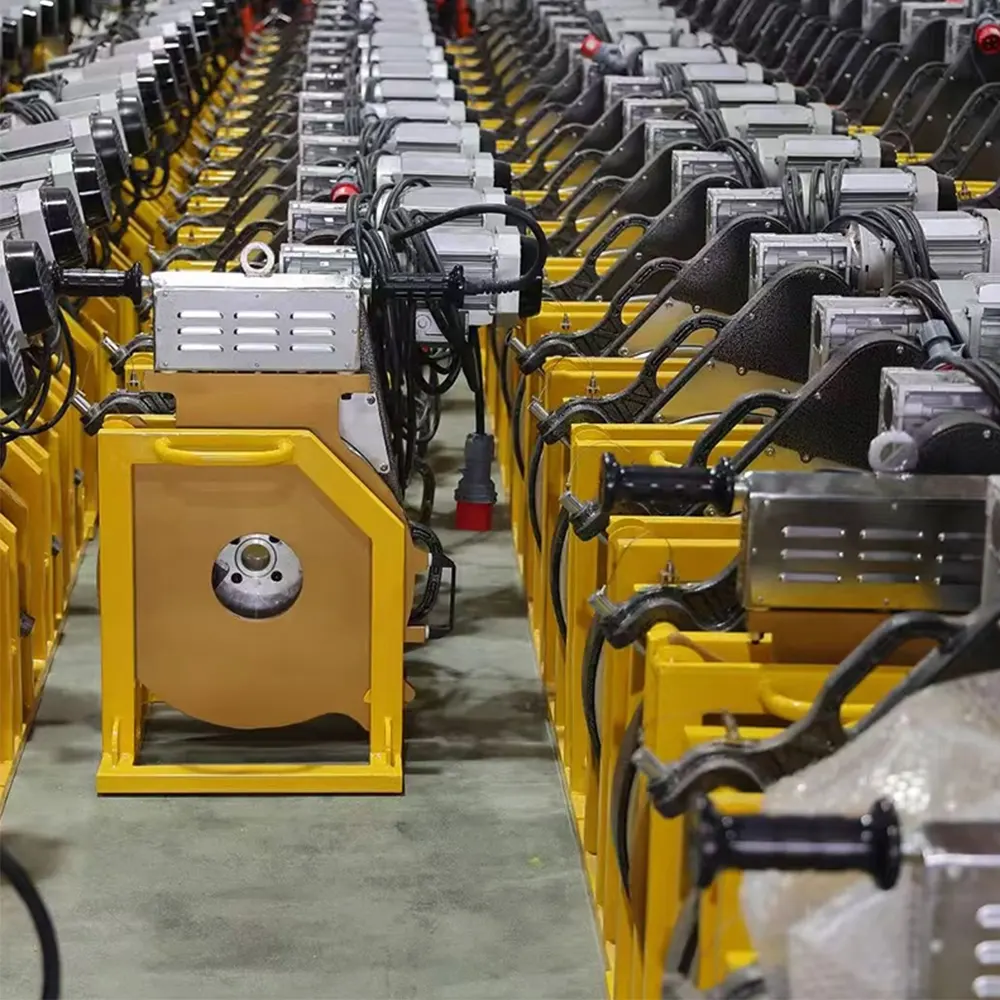
How to Choose the Right Machine
Decide by project scale
Smaller renovation work often uses electrofusion or manual butt fusion. Large utility installations require hydraulic or automatic machines for productivity and consistent joint quality.
Consider pipe material & diameter
Confirm compatibility with HDPE, PP, or other thermoplastics and verify the machine clamping range matches anticipated pipe sizes.
Prioritize control and traceability
Automatic machines with data logging and adjustable parameters are essential for regulated projects where documentation of welding cycles is required.
Best Practices and Maintenance
Always follow manufacturer-recommended procedures: clean and align pipe ends, use calibrated heaters and cutters, and adhere to prescribed heating, upsetting, and cooling times. Regularly inspect heating elements and hydraulic systems, replace worn clamps and scrapers, and keep accurate records of maintenance and welding logs to ensure long-term reliability.
Safety and Certification
Operators should be trained in fusion techniques and personal protective equipment (PPE) use. Ensure machines comply with relevant standards (ISO, ASTM, or local regulations) and that electrofusion units provide controlled, documented power profiles to prevent overheating and ensure structural integrity.
FAQs
Q: Can electric fusion machines weld across all HDPE grades?
A: Most modern fusion machines can handle common HDPE grades, but verify the exact material specifications and welding parameters with the pipe/fitting manufacturer to ensure compatibility.
Q: How critical is cooling time?
A: Cooling time is vital—removing pressure too early risks weak joints. Always follow the specified cooling cycle based on pipe diameter and ambient temperature for safe, strong bonds.
Contact & Next Steps
If you need tailored advice on selecting equipment for a specific project, machine sizes, or spare parts, consult the manufacturer’s technical team for calibration details and on-site training recommendations.



