
The growing investment in water infrastructure, irrigation and mining projects across Zimbabwe has increased demand for reliable HDPE pipe joining solutions. Electrofusion machines provide a fast, clean and leak-free method for welding fittings to PE pipes — ideal for municipal teams, contractors and mining engineers who need durable joints in harsh local conditions.
Why Electrofusion Machines Matter in Zimbabwe
Zimbabwe’s infrastructure projects often operate in remote areas with variable power supply and hot, dusty environments. Electrofusion welding is preferred where field conditions require quick, repeatable joints with minimal equipment footprint. Local needs include:
Municipal water networks — rehabilitation and extension of distribution lines; agricultural irrigation — reliable joins for drip and canal-fed systems; mining — durable pipework for tailings, slurry and potable water systems.
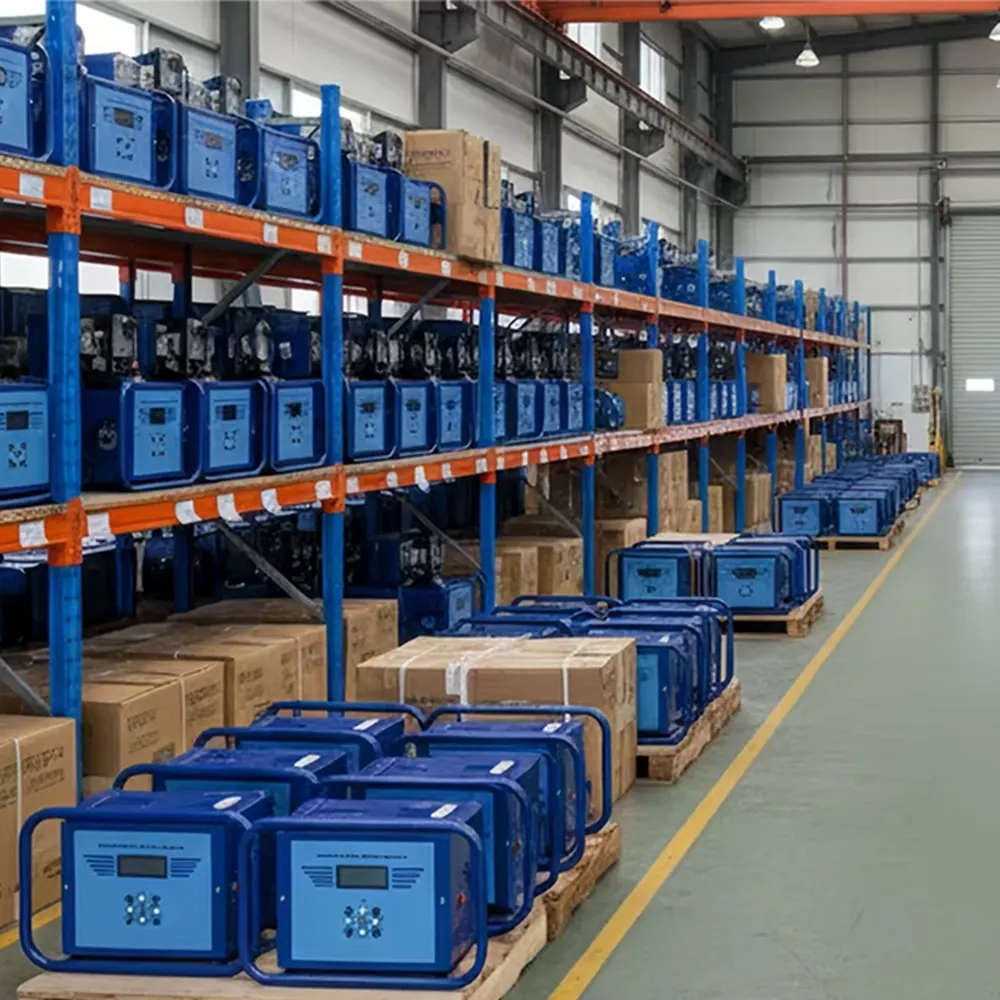
Key Features to Look For
Portable design — compact and lightweight for road and off-road site access.
Power options — AC mains and battery or generator compatibility for areas with unreliable electricity.
Built-in fusion programs — programmable cycles and data logging for QA compliance on public works.
Durability & IP rating — protection against dust and moisture for Zimbabwean climate conditions.
How to Identify Reliable Suppliers
Choose suppliers or manufacturers with proven experience in PE pipe equipment, documented quality control, and export experience to Africa. Verify:
• Certifications (ISO, CE where applicable) and third-party testing reports.
• After-sales support — availability of spare parts, local agents or regional partners, and training for weld operators.
One manufacturer to consider is JQ-Fusion, a company focusing on HDPE pipe welding machines with a broad range of manual, hydraulic and automatic solutions.
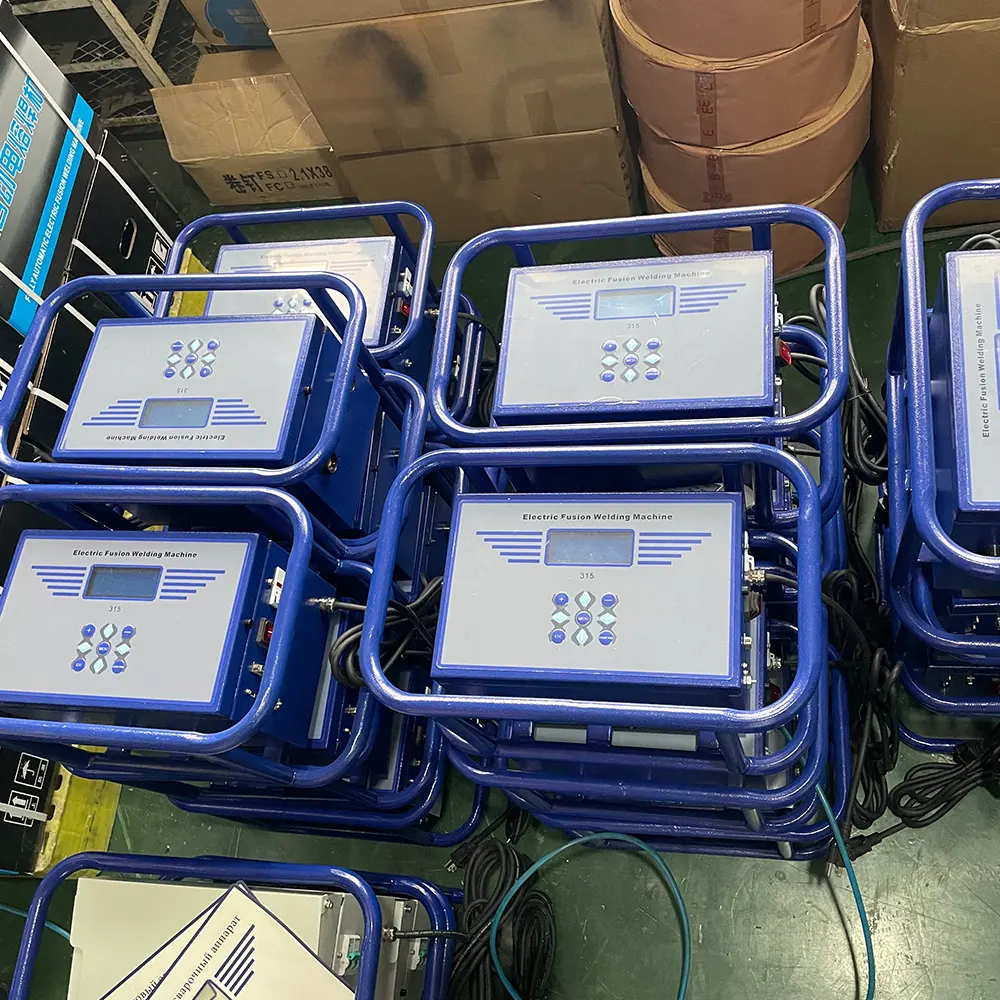
Typical Price Ranges (USD) — Reference Table
| Model / Type | Pipe Range | Approx. Price (USD) | Best for |
|---|---|---|---|
| Portable Electrofusion Unit (basic) | 20–160 mm | $1,200 – $2,500 | Rural teams, small repairs |
| Mid-range Electrofusion (data logging) | 20–400 mm | $2,800 – $6,500 | Municipal projects, contractors |
| High-end / Multi-size Automated Unit | 20–630 mm+ | $7,000 – $18,000+ | Large pipeline contractors, industrial sites |
Buying Checklist for Zimbabwe Buyers
1. Confirm the pipe materials and SDR classes you’ll weld (PE100/PE80 and SDR ratings affect heating times).
2. Choose machines with local power compatibility or include generator/battery options.
3. Ask for sample fusion reports and a demonstration video or onsite demo when possible.
4. Verify shipping terms, lead times and incoterms — CIF Harare/Beira can simplify logistics for some buyers.
5. Ensure a parts and training plan is included: consumables, spare heating coils/modules, and operator certification training.
Shipping, Customs & After-Sales Tips
Electrofusion machines are typically shipped by sea. For Zimbabwe buyers, prepare:
• Clear commercial invoices and certificates of origin to speed customs clearance.
• A local customs broker familiar with mining and construction equipment to avoid delays.
• A spare parts kit and a remote training/session plan to get crews operational quickly — this reduces downtime on time-sensitive projects.
Final advice: prioritize suppliers with export experience to southern Africa, clear technical support and documented QA. Getting the right electrofusion machine the first time reduces costly rework and ensures long-term reliability for Zimbabwe’s vital water and mining infrastructure.



