
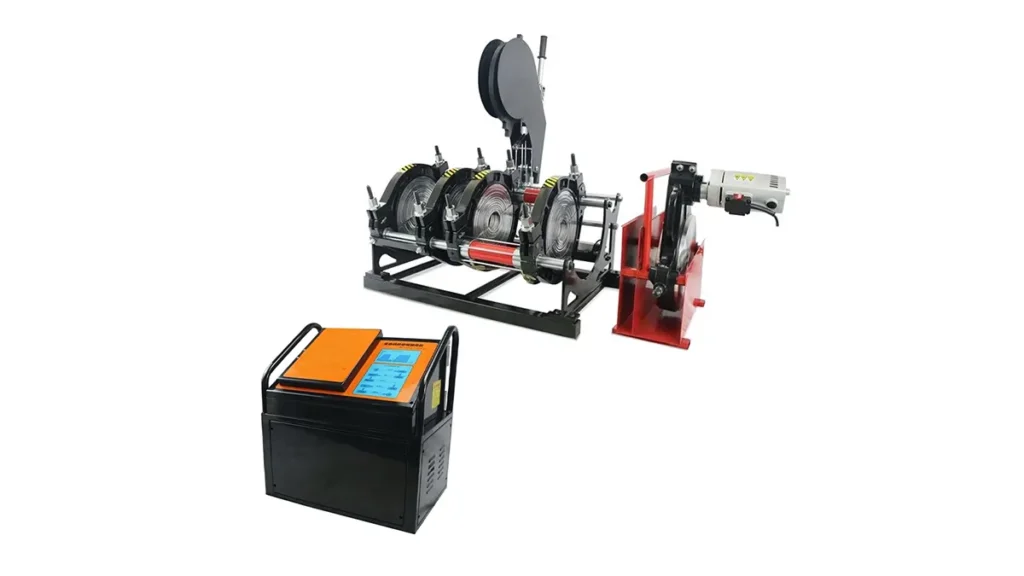
In Tanzania’s fast-growing infrastructure sector, from municipal water projects in Dar es Salaam to rural irrigation schemes and mining pipelines around Mwanza and Dodoma, choosing the right butt fusion welder can make the difference between long-term reliability and ongoing repair costs. This guide helps contractors, project managers, and pipeline engineers pick dependable, cost-effective pipe welding solutions tailored to Tanzania’s environment and project types.
Why Butt Fusion Welding Works Well in Tanzania
Butt fusion welding creates seamless, leak-free joints in HDPE and other thermoplastic pipes—ideal for Tanzania’s varied climate and expanding utility networks. The technique is favored because it delivers high-strength welds that resist corrosion, soil movement, and the stresses of long-distance water and gas distribution systems.
Key Advantages
– Durable, joint-integrity that reduces maintenance in remote regions where service visits are costly.
– Simplicity and repeatability, enabling trained local teams to produce consistent weld quality.
– Suitability for potable water, irrigation, gas, and mining slurry lines thanks to chemical and abrasion resistance.
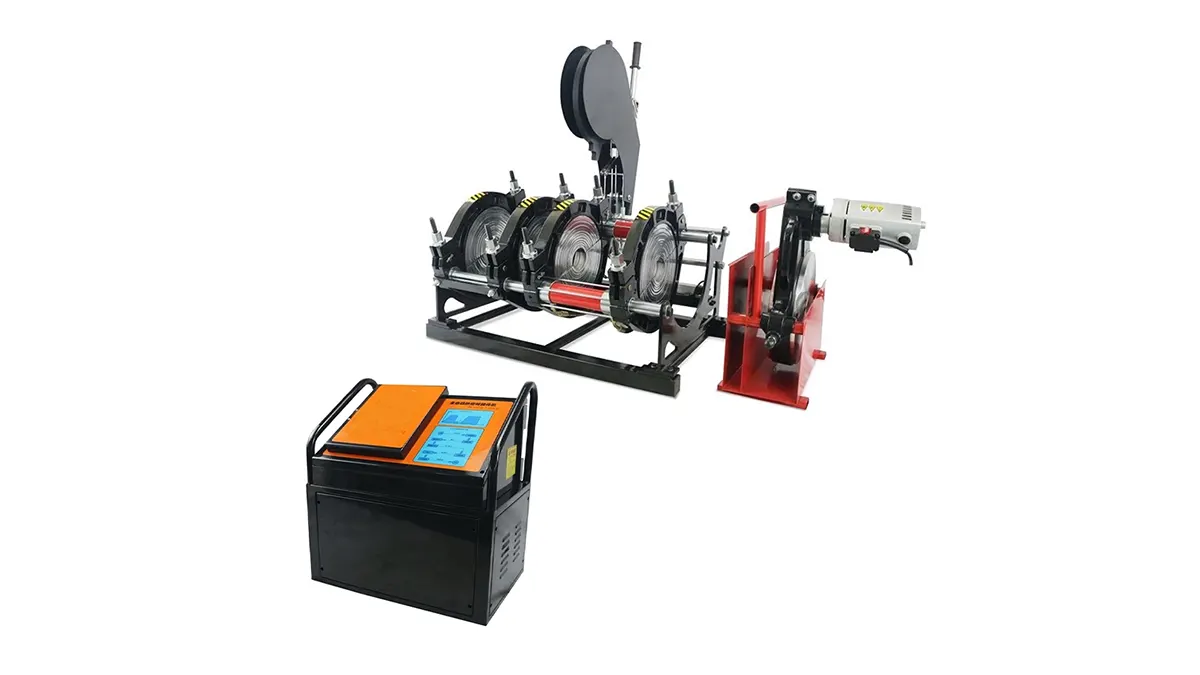
Types of Butt Fusion Welders for Tanzanian Projects
Manual Machines
Best for small contractors and remote fieldwork. Manual units are lightweight, portable, and economical—well-suited for village water schemes and small-diameter pipelines.
Hydraulic Machines
Provide higher clamping force and stability for medium to large pipe diameters. Commonly used by municipal contractors upgrading urban infrastructure in cities like Dar es Salaam.
CNC/Automatic Machines
Offer precision and repeatability for large-diameter trunklines and industrial projects in mining and energy. Ideal for contractors working on long-run installations with strict quality control requirements.
Quick Comparison: Popular Models
| Model | Type | Pipe Range | Best For |
|---|---|---|---|
|
JQSY Manual Series |
Manual |
20mm–400mm |
Rural pipelines & small contractors |
|
JQH Hydraulic Series |
Hydraulic |
63mm–1200mm |
Urban utilities & contractors |
|
JQA Automatic Series |
Automatic / CNC |
90mm–630mm+ |
Large diameter trunklines & mining projects |
How to Choose the Right Welder for Your Tanzania Project
Assess pipe diameter and project scale: Small irrigation and household connections often only need manual units, while city water mains and mining pipelines benefit from hydraulic or automatic systems.
Consider mobility: For remote regions with rough access, choose portable designs and units with simpler maintenance requirements.
Factor in training and local service: Prioritize machines with clear operation workflows and accessible spare parts to minimize downtime in Tanzania’s varied job sites.
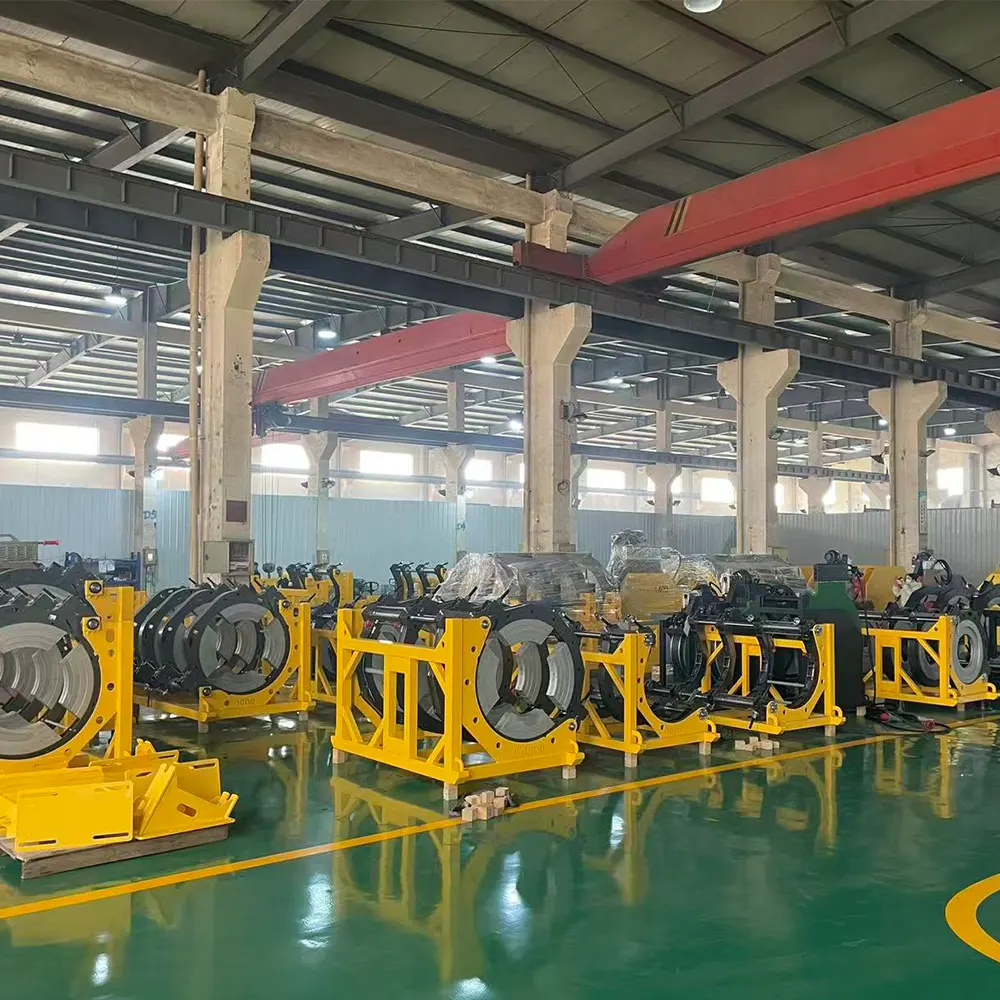
Maintenance & Best Practices for Long-Term Performance
Daily Checks
– Clean heating plates and clamps after each use.
– Inspect hydraulic hoses and fittings for leaks.
– Verify alignment and facing tool condition before welding.
Training & Safety
Ensure operators receive practical training in butt fusion parameters and safety. In Tanzania, local technicians trained to international standards improve weld consistency and site safety.
Common Questions from Tanzanian Contractors
Can these machines handle rural water schemes?
Yes. Manual and small hydraulic units are perfect for rural distribution networks and borehole connections.
What about harsh field conditions?
Choose robust hydraulic frames and protective covers for heating elements. Regular maintenance and protective transport cases extend equipment life under rough conditions.
Ready to Equip Your Project?
If you need dependable butt fusion solutions tailored to Tanzania’s water supply, gas distribution, mining, or industrial pipelines, explore quality machines from JQ-Fusion: https://jq-fusionwelding.com/ .



