
Electrofusion machines are a reliable, efficient solution for joining HDPE pipes in water, gas, and industrial pipelines. For Libya’s infrastructure and energy sectors—where durability, rapid installation in remote sites, and resistance to harsh environments are critical—electrofusion welding offers a safe and long-lasting method for producing leak-free joints.
Why Electrofusion Is Ideal for Libya
Libya’s extensive oil & gas infrastructure, expanding municipal water networks, and frequent projects in desert or coastal zones demand welding technologies that tolerate temperature swings, sandy conditions, and on-site variability. Electrofusion welding delivers consistent heat fusion without open flames, minimizing field risk and ensuring high joint integrity even when crews work in remote or unstable logistics conditions.
Key Benefits for Local Projects
Speed & Simplicity: Portable electrofusion units reduce setup time and are easy for trained technicians to operate on-site.
Quality Control: Built-in programming and recorded weld cycles ensure repeatable joints that comply with standards used in North African projects.
Safety: No open flame or external heating plates lowers fire risk on oilfield and urban sites.
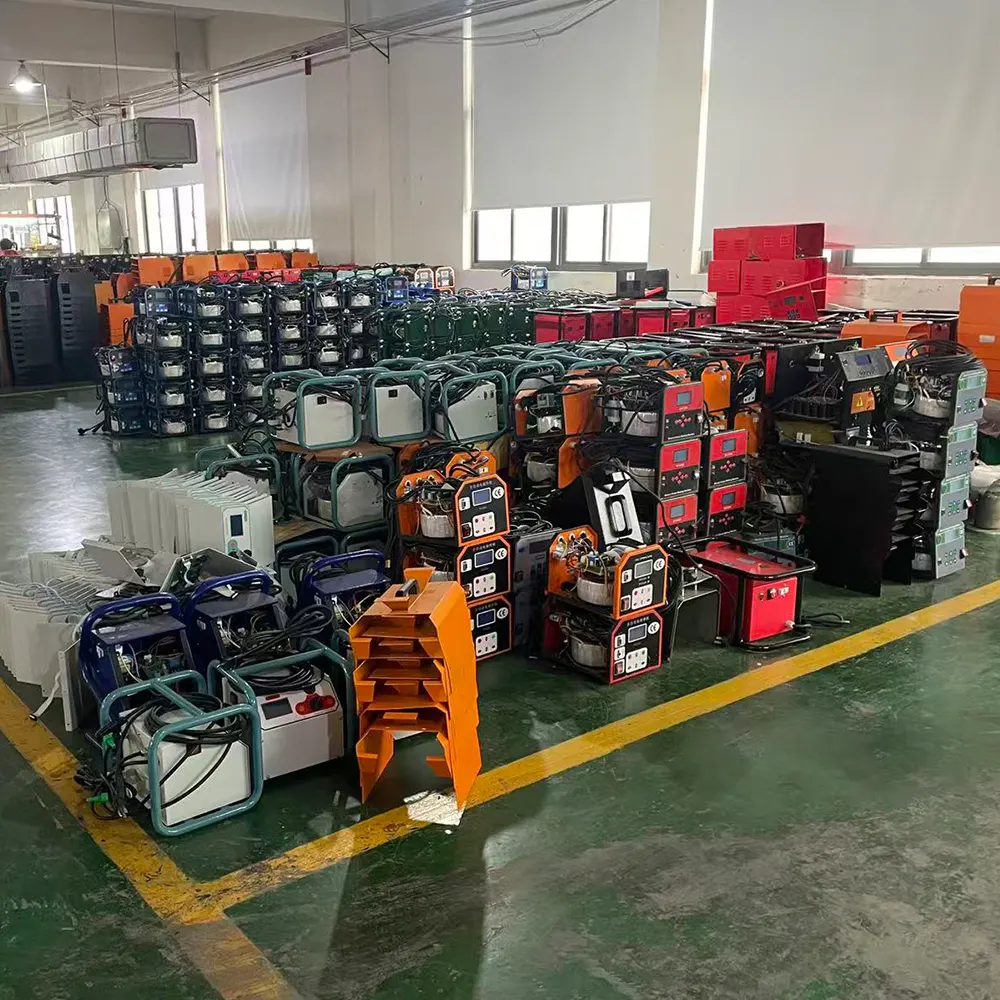
Essential Features to Consider
Automatic Weld Programs: Look for units with stored parameters for different fitting types and materials.
Digital Traceability: Machines that export weld logs help meet client and regulatory reporting requirements.
Robust Enclosure & Cooling: Dustproof and heat-resistant designs extend service life in Libya’s sandy and hot environments.
Popular Electrofusion Models — Quick Comparison
| Model | Pipe Range | Power | Highlights |
|---|---|---|---|
| JQEA-EF Series | 20mm – 630mm | 110V / 220V | Digital logger, rugged casing |
| JQEB-Portable | 20mm – 160mm | Battery-assisted | Lightweight, for remote sites |
| JQEA-Industrial | 200mm – 1200mm | Three-phase | Large-diameter capacity, advanced logging |
Installation Tips & Training for Libya
Prioritize vendors that offer on-site or regional training for welding crews and technicians. Local conditions such as dusty environments, high daytime temperatures, and remote logistics require practical guidance on machine maintenance, electrode cleaning, and shielding of fittings during weld cycles. Regular calibration and verification of weld logs are essential for long-term integrity.
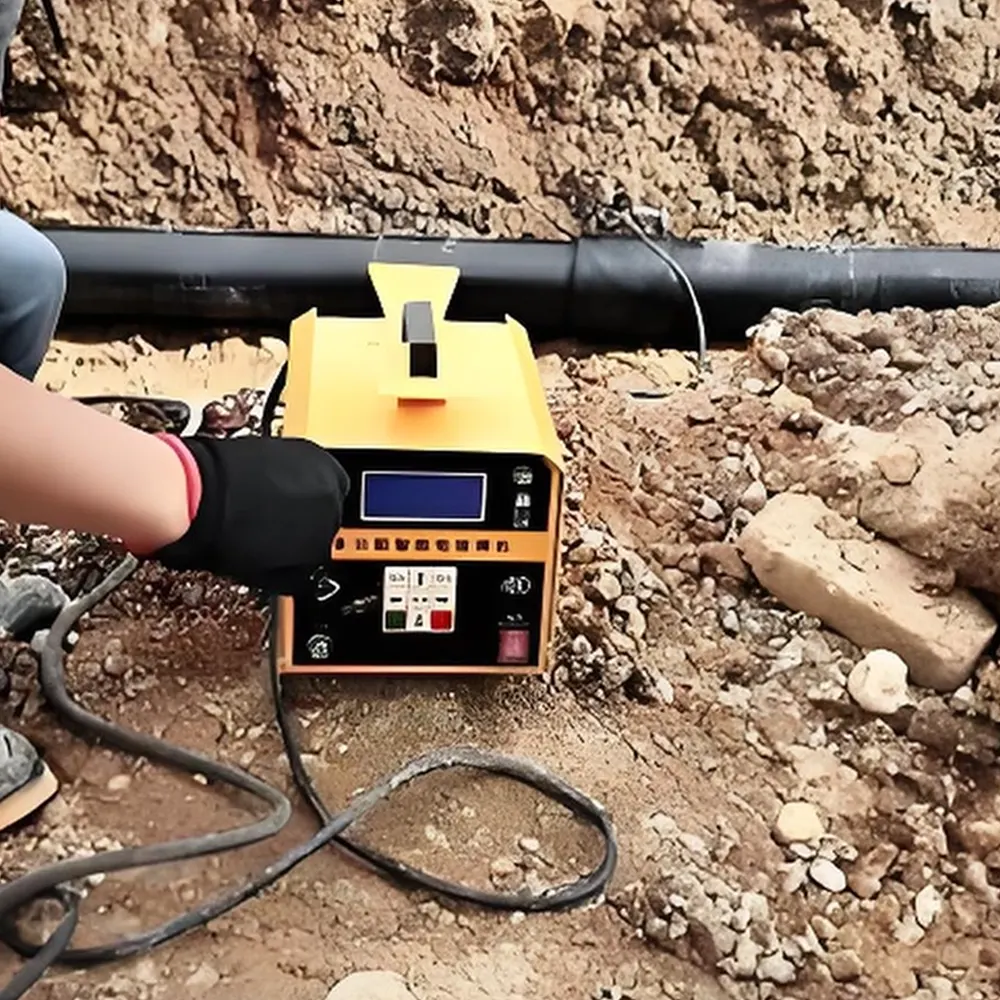
Maintenance & After-Sales Considerations
Choose equipment with accessible spare parts and a clear service plan. Machines that allow local replacement of fuses, connectors, and displays reduce downtime when operating far from major ports or service centers.
FAQs — Quick Answers
Q: Can electrofusion handle Libya’s gas distribution pipelines? A: Yes — when using certified fittings and proper weld procedures, electrofusion provides gas-tight joints suitable for distribution networks.
Q: What power options are best for desert sites? A: Battery-assisted or diesel-generator compatible units provide flexibility where grid power is intermittent.
Work with a Trusted Maker
For proven electrofusion equipment tailored to HDPE pipe projects, consider JQ-Fusion — a manufacturer focused on HDPE welding solutions and global project support: https://jq-fusionwelding.com/
If you are specifying electrofusion units for Libya, evaluate models for dust protection, weld logging, and local training support to ensure long-lasting, low-maintenance pipeline performance.



