
Ghana’s growing infrastructure projects—from Accra’s urban water mains to irrigation and mining pipeline networks in the Western and Ashanti regions—need dependable HDPE jointing machines that perform well in hot, remote, and sometimes dusty environments. This guide explains practical pipe fusion solutions for contractors, utilities, and engineering teams working across Ghana.
Why HDPE Butt Fusion Works for Ghana
Durability and leak-free joints are essential in Ghana’s tropical climate and expanding utility networks. HDPE butt fusion creates homogeneous pipe joints that resist corrosion, withstand soil movement, and reduce long-term maintenance costs—critical for community water supply projects and gas distribution systems around Kumasi and Tema.
Choosing the right fusion method
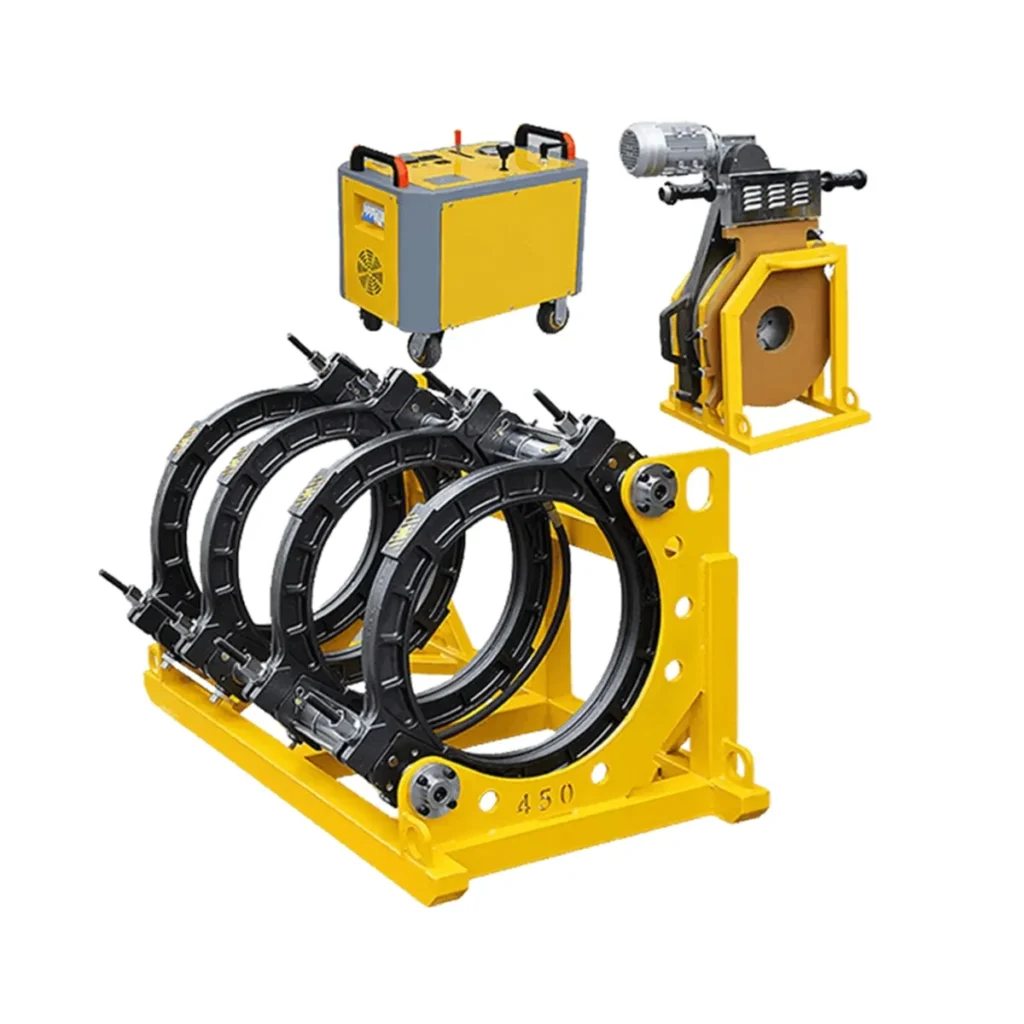
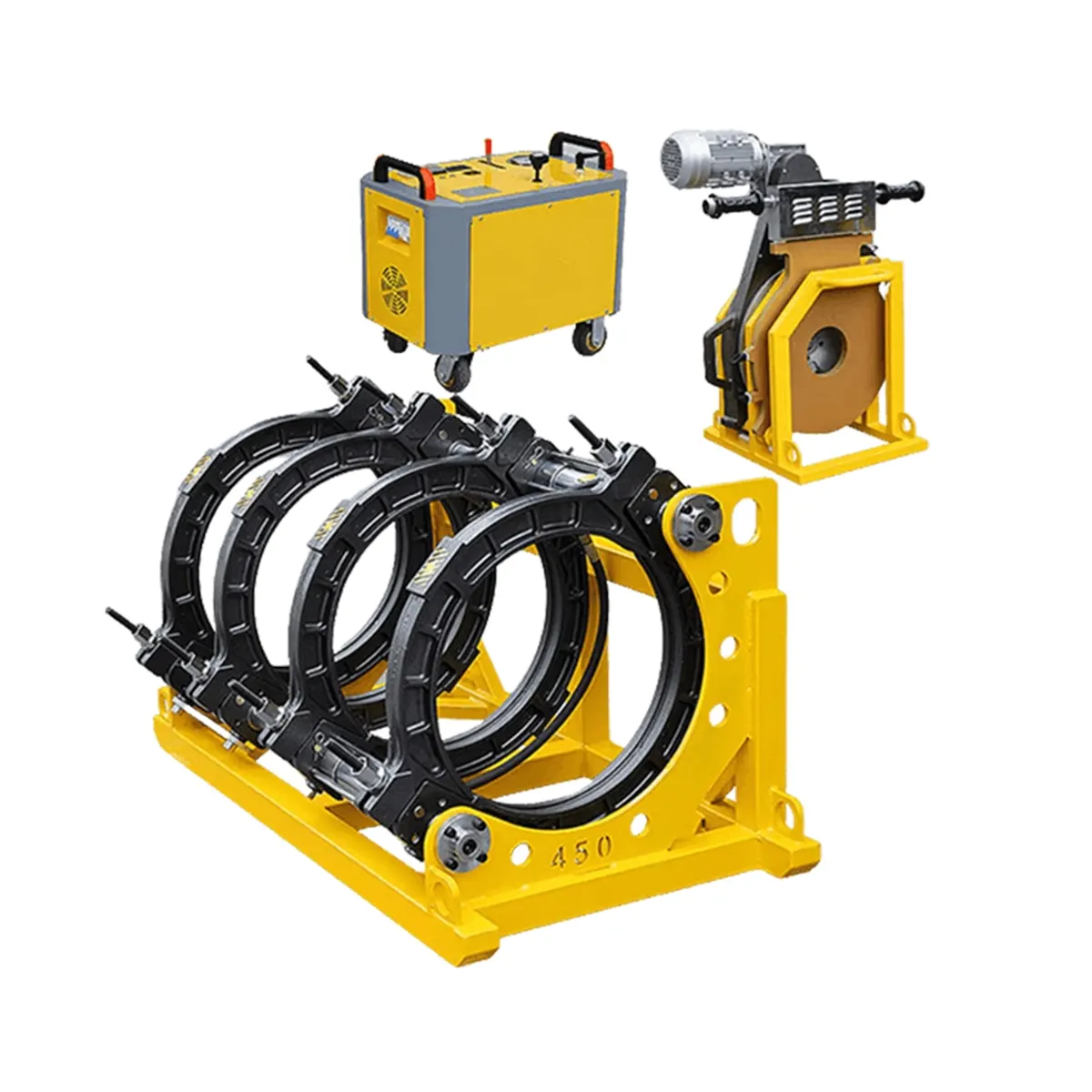
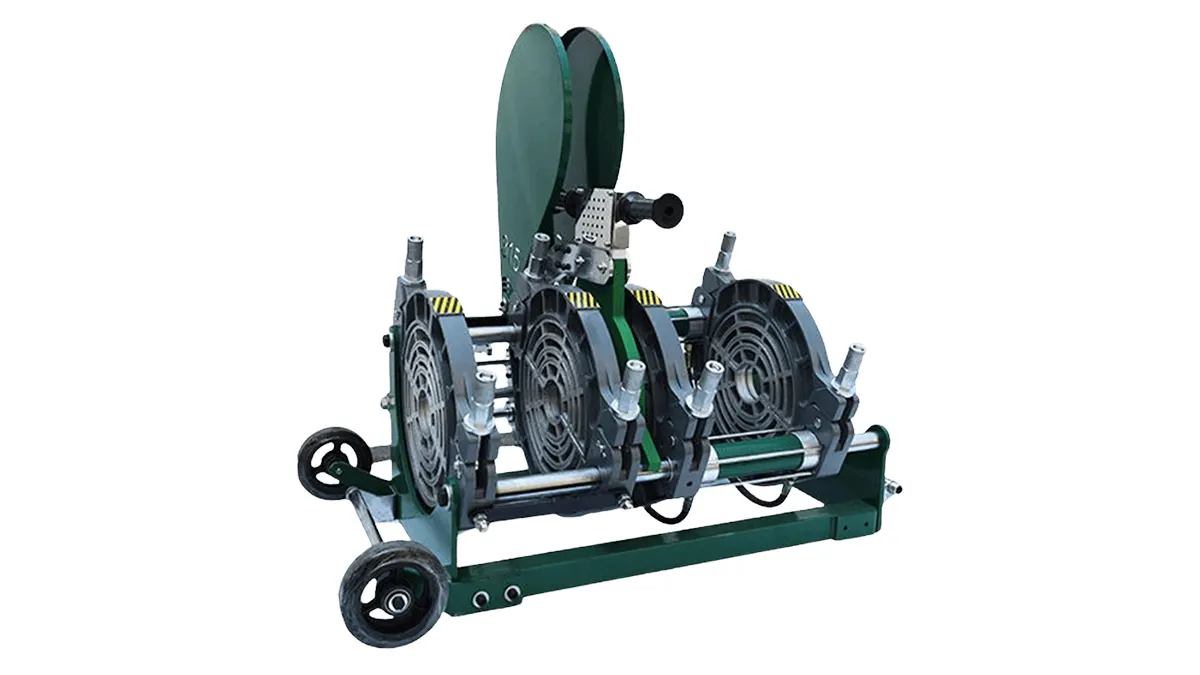
Manual, hydraulic, and CNC automatic fusion machines each have advantages depending on project scale. Manual units are portable and ideal for rural pipelines and small-diameter repairs. Hydraulic machines handle larger diameters used in municipal trunk mains. Automated CNC systems ensure repeatable quality for high-volume or long-span installations.
Practical considerations for Ghanaian projects
Site access, power availability, and workforce skill levels shape machine selection. For remote communities, look for lightweight frames and battery-assisted controls. For industrial or mining pipeline contractors, robust hydraulic frames with higher clamping strength and easy maintenance matter most. Training local operators on proper alignment, facing, and fusion parameters reduces joint failures and ensures safe service delivery.
Common applications across regions
Water supply: Distribution mains, borehole connections, and irrigation systems. Gas networks: Low-pressure distribution lines in urban areas. Mining and industrial: Slurry lines, process piping, and tailings management where abrasion-resistant HDPE excels.
Key performance benefits
Consistent joint strength, fast on-site cycle times, and minimal post-installation repairs translate to lower life-cycle costs—an important consideration for municipal budgets and donor-funded projects in Ghana. Machines with digital controls and recorded welding reports also support quality assurance and regulatory compliance for large contractors.
Model comparison for Ghana projects
| Model | Type | Pipe Range (mm) | Best Use in Ghana |
|---|---|---|---|
| JQSY Manual Series | Manual | 20–200 | Rural repairs, community water projects |
| JQH Hydraulic Series | Hydraulic | 160–1000+ | Urban mains, industrial installations |
| JQA Automatic Series | CNC Automatic | 63–630 | High-volume networks, large contractors |
Tips for successful pipe fusion on Ghana sites
Always verify material compatibility and follow recommended heating and cooling cycles for the local ambient temperature. Protect heating plates and faced surfaces from dust and sand during preparation. When working in rainy seasons, use temporary shelters to maintain consistent fusion conditions. Training local teams in welding procedures creates long-term benefits for maintenance and expansion projects.
Supplier note
JQ-Fusion supplies a wide range of HDPE butt fusion machines—manual, hydraulic, and automatic—and offers customizable solutions to match Ghana’s diverse pipeline needs. For project-specific recommendations, choose machines that balance portability with the required clamping and axial force for your pipe diameters.
Final thoughts for Ghana contractors
Selecting the right HDPE jointing machine reduces downtime and safeguards investments in water, gas, and mining infrastructure. Prioritize machines with proven serviceability, available parts, and operator training to maximize performance across Ghana’s varied project environments.



