
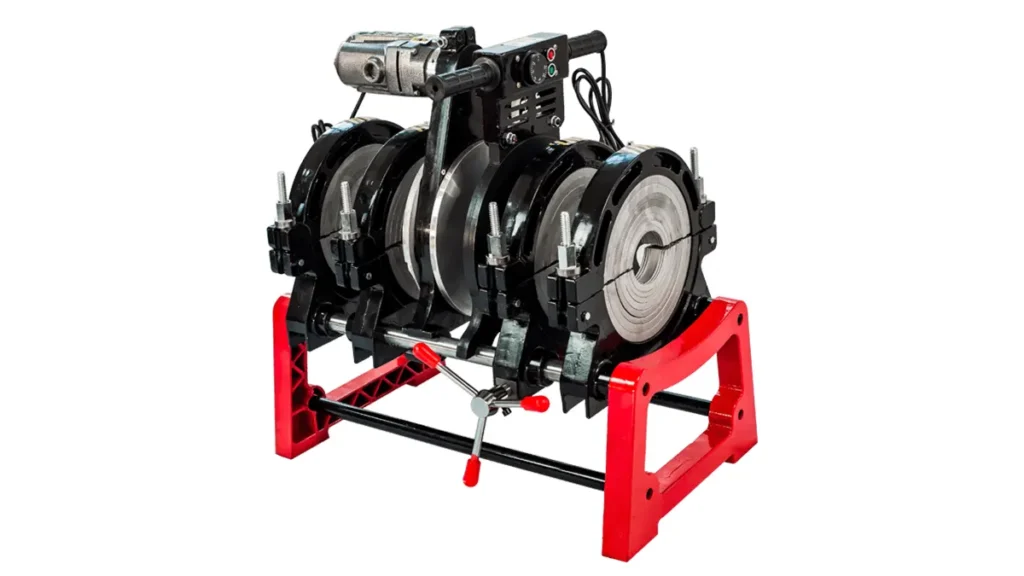
Portable PE welding machines bring flexibility and efficiency to fieldwork for contractors, utilities, and municipal teams working with HDPE and other thermoplastic pipes. This guide explains how to choose the right portable unit, how to use it safely and effectively, and what maintenance practices maximize uptime and weld quality.
Why Choose a Portable PE Welding Machine?
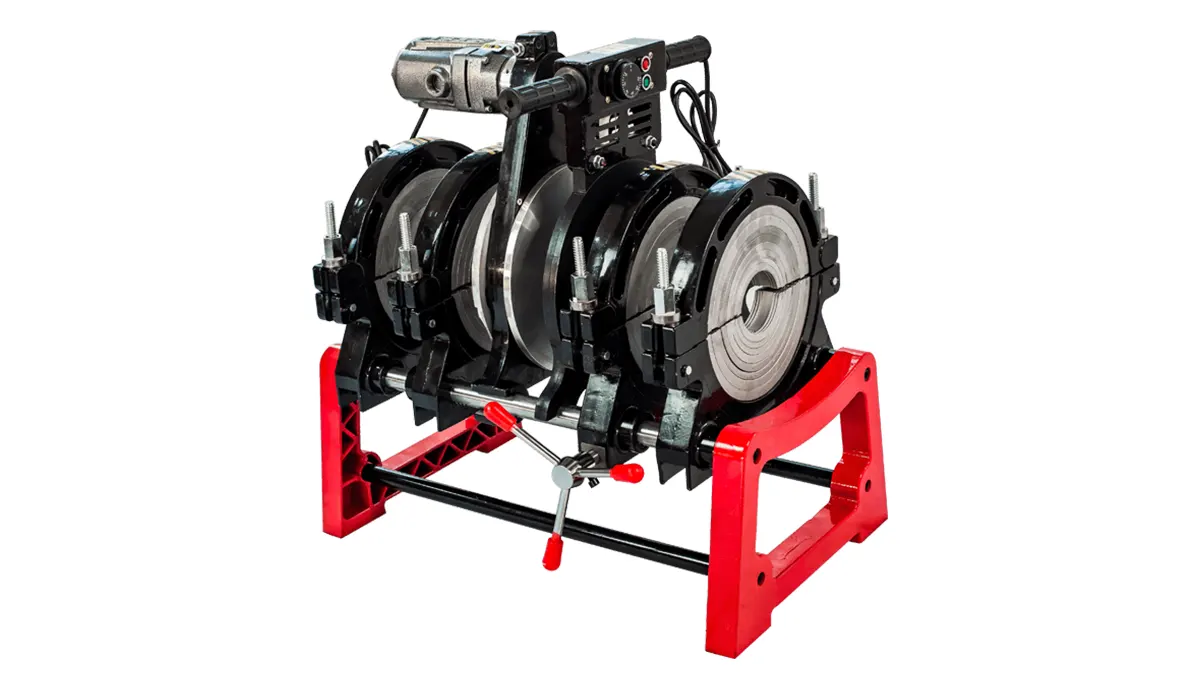
Portable units are designed for on-site butt fusion and electrofusion tasks where mobility matters. They shorten setup time, reduce transport costs, and allow crews to perform high-quality welds in trenches, tight access areas, and remote locations. Typical applications include water supply repairs, gas distribution, irrigation networks, and temporary pipeline installations.
Key Benefits
Mobility: Compact design and lightweight components enable one- or two-person transport. Versatility: Supports a range of pipe sizes with interchangeable clamps and adapters. Cost-effectiveness: Lower purchase and operating costs compared to large stationary systems.
How to Choose the Right Portable Model
Selecting the best machine depends on project scale, pipe material, and operator experience. Consider the following criteria when comparing models.
1. Pipe Size Range
Confirm the machine supports the nominal diameters you regularly work with. Many portable machines cover small to medium diameters (e.g., 20–315 mm). If you handle larger diameters frequently, look for modular or heavier-duty portable frames.
2. Power and Heating Options
Portable heaters can be electric or gas-powered. For remote jobs without reliable electricity, gas-heated plates provide independence. For precision-controlled fusion cycles, electric heating with digital controllers yields consistent results.
3. Clamping and Alignment Features
Good alignment systems and quick-change clamps reduce preparation time and improve weld integrity. Check for adjustable clamps, robust centering guides, and easy-to-read position indicators.
4. Automation Level
Manual portable machines offer affordability and simplicity, while semi-automatic or automatic portable units deliver repeatable results with less operator dependency. Choose based on crew skill levels and quality assurance needs.
Quick Comparison Table
| Feature | Portable PE Machine | Automatic/Stationary |
|---|---|---|
| Mobility | High — easy transport | Low — site-bound |
| Setup Time | Short | Longer but stable |
| Repeatability | Good (operator dependent) | Excellent (automated control) |
| Cost | Lower initial cost | Higher investment |
Step-by-Step Portable PE Welding Process
Follow a consistent fusion sequence to ensure durable welds. The core steps are:
-
Preparation — clean pipe ends, check for straight cuts, and confirm surface temperature range.
-
Clamping and alignment — secure pipes in clamps and use centering tools to minimize misalignment.
-
Facing/trimming — use a dedicated trimmer to create flat, perpendicular faces.
-
Heating — apply the heating plate with specified pressure and time per material and diameter charts.
-
Fusion and cool-down — bring pipe ends together under controlled pressure and allow full cool-down before moving the joint.
Safety and Quality Tips
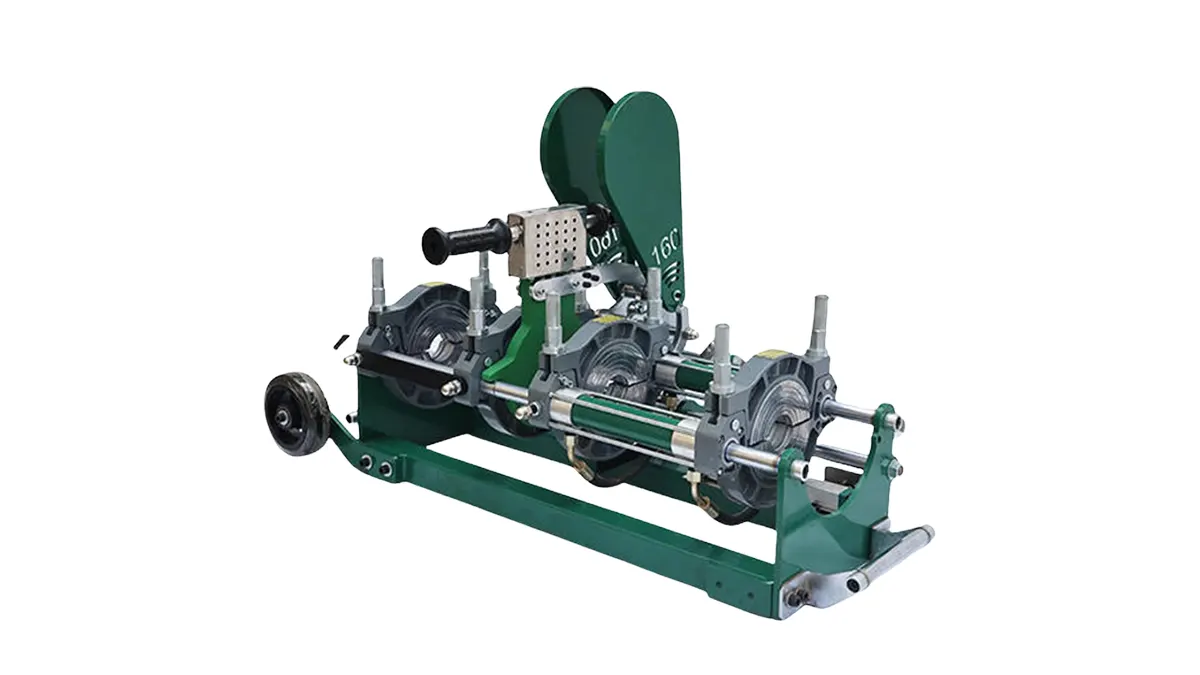
Always wear PPE, keep heat sources away from flammable materials, and follow manufacturer torque and pressure specifications. Use fusion logs or digital controllers to record parameters for QA and future audits. If working in confined spaces or cold climates, adjust procedures to mitigate heat loss and condensation.
Maintenance Checklist
Regular maintenance prolongs service life: inspect clamps and bolts, clean heating plates after each session, calibrate pressure gauges annually, and store electrical components dry. Replace worn facing blades to avoid poor surface finishes.
When to Upgrade
Consider upgrading when projects demand higher throughput, when weld documentation is required, or when crew skill level varies. Semi-automatic portable units offer a strong middle ground between manual portability and full automation.
For reliable, field-ready butt fusion and portable solutions, consider suppliers with proven experience in HDPE welding equipment — JQ-Fusion provides a wide range of manual, hydraulic, and CNC automatic machines to match diverse project needs.



