
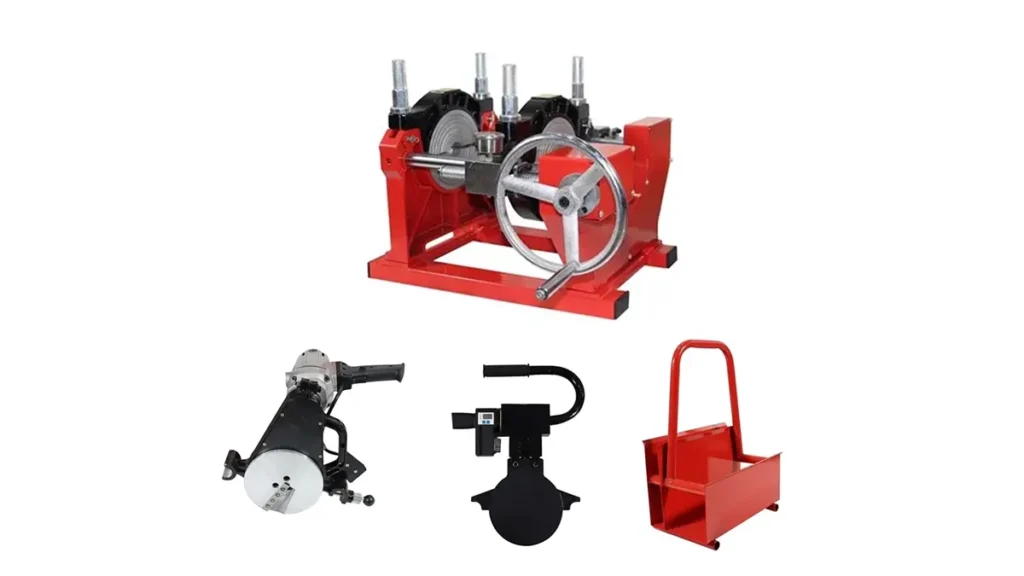
Polyethylene welding machines are the backbone of modern HDPE pipeline construction — delivering leak-free joints, fast cycle times, and reliable performance across water, gas, mining, and industrial projects. This guide helps engineers, contractors, and procurement teams choose the right butt fusion or electrofusion solution for consistent, high-quality polyethylene pipe welding.
Why Polyethylene Welding Matters for Pipelines
Durability and joint integrity are critical for infrastructure that must remain leak-free for decades. Properly executed butt fusion and electrofusion produce molecularly fused joints that match pipe strength. For urban water networks, gas distribution, and mining slurry lines, this reduces maintenance and environmental risk.
Common welding methods
Butt fusion — ideal for straight pipe-to-pipe connections with manual, hydraulic, or automatic machines. Electrofusion — suited for fittings, saddles, and repairs where integrated heating elements create consistent bonds.
Selecting the Right Machine: Key Considerations
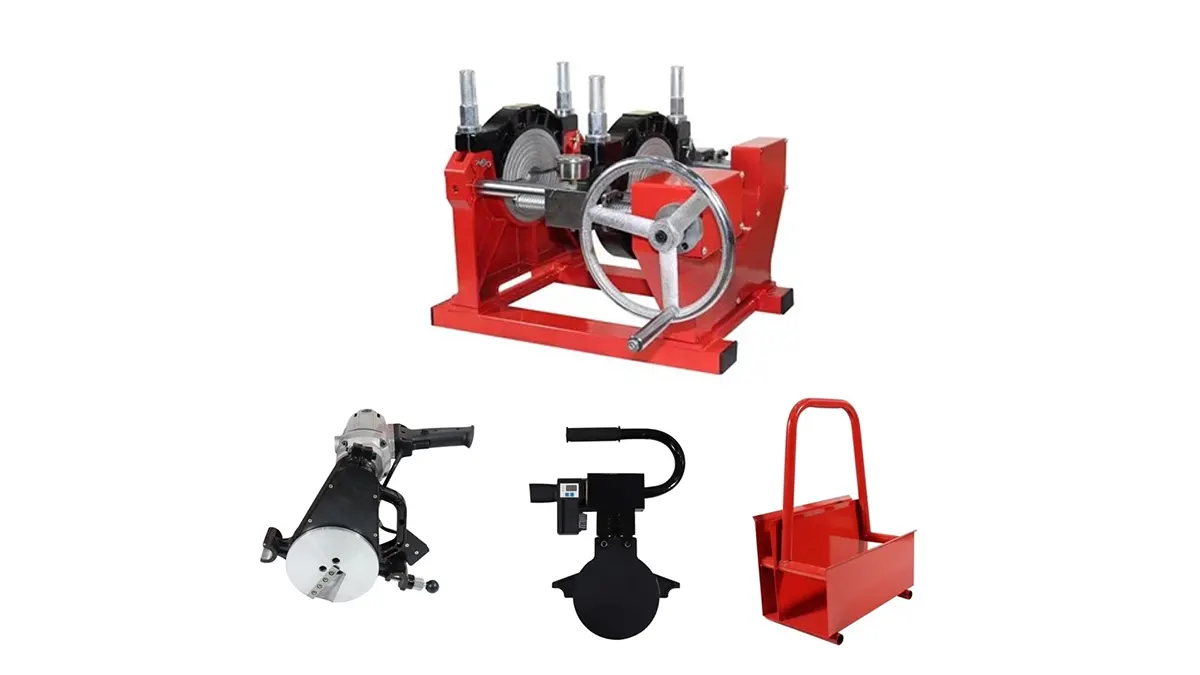
Choose a model based on pipe diameter range, portability needs, automation level, and on-site power availability. Projects with frequent long runs benefit from automatic butt fusion units and CNC control for repeatable cycles. Remote or maintenance tasks often require compact manual or electrofusion machines.
Performance factors to evaluate
Heating control accuracy, clamp stability, cycle repeatability, and spare parts availability influence long-term productivity. Look for machines that simplify alignment and trimming, reduce operator variability, and include clear process logging for quality assurance.
Model Comparison Snapshot
| Model | Type | Pipe Range | Best For |
|---|---|---|---|
| JQ Manual Series | Manual Butt Fusion | 63–315 mm | Field repairs, tight sites |
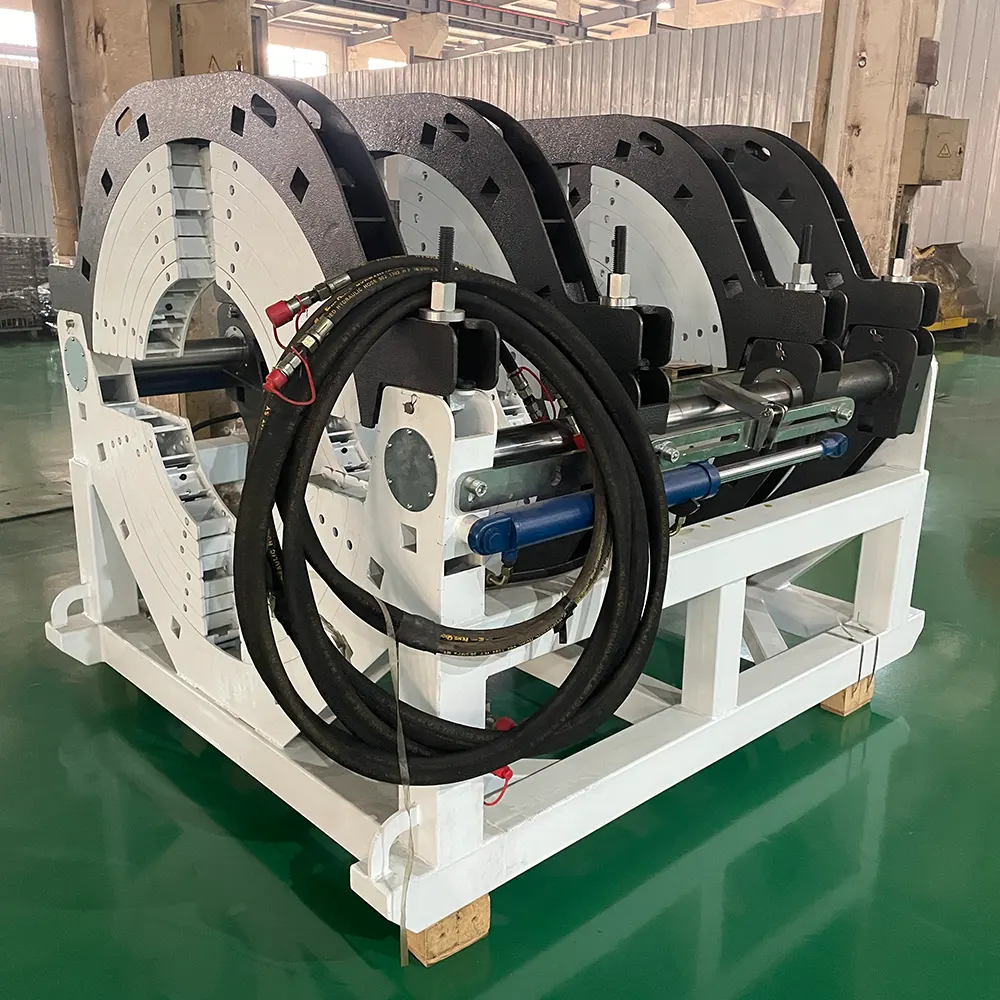
| Hydraulic Range | Hydraulic Butt Fusion | 160–2000+ mm | Long runs, large-diameter mains |
| Automatic CNC Units | Automatic Butt Fusion | 63–1250 mm | High-volume, precision welding |
Installation and Quality Control
Proper training and documented welding procedures are essential. Use calibrated heaters and thermocouples, inspect faced surfaces, and log fusion parameters like heating time, alignment pressure, and cooling duration. These records meet regulatory and client QA requirements and minimize rework.
Maintenance & spare parts
Routine checks of clamping jaws, heater plates, and hydraulic systems extend machine life. Stock common spare parts like heaters, trims, and seals on-site for fast turnaround during construction peaks. A preventive maintenance schedule reduces downtime on critical pipeline programs.
Applications Across Industries
Polyethylene welding machines serve diverse sectors:
-
Municipal water and sewage networks — corrosion-free, long-life joints.
-
Gas distribution — safe, tight connections with certified welding records.
-
Mining — abrasion-resistant HDPE lines fused for slurry and tailings systems.
-
Industrial process lines — chemical resistance and easy reconfiguration.
Certifications & compliance
Confirm the machine and procedures conform to relevant standards (ISO, ASTM, or local regulations) and provide traceable documentation for each weld. This is essential for project approvals and long-term asset management.
Why choose JQ-Fusion products
JQ-Fusion offers a broad portfolio of manual, hydraulic, and automatic HDPE welding machines designed for reliability and field serviceability. Their equipment supports projects from small municipal jobs to large-scale industrial pipelines, backed by manufacturing quality and parts availability.
Buying tips
Define application needs first — pipe diameters, site conditions, and production targets. Prioritize machines with clear process control, easy maintenance, and available training. Consider lifecycle cost: an automated unit may reduce labor and rework compared to manual options.
Start with the right machine and documented processes to ensure safe, efficient, and long-lasting polyethylene pipeline systems.



