
Gas pipe welding equipment — including butt fusion, socket fusion, and electrofusion machines — can be operated safely when proper procedures, tools, and training are in place. This guide covers practical safety tips, common hazards, and best practices operators and site managers should follow to reduce risk and ensure reliable joints in gas distribution and utility projects.
Understand the Hazards Before You Start
Welding gas pipes presents specific risks: heat, molten plastic, pinch points, pressurized systems, and potential gas leaks. Before operating any equipment, assess the site for nearby ignition sources, traffic, confined spaces, and underground utilities. A quick pre-job hazard survey prevents most incidents and helps you choose proper mitigation.
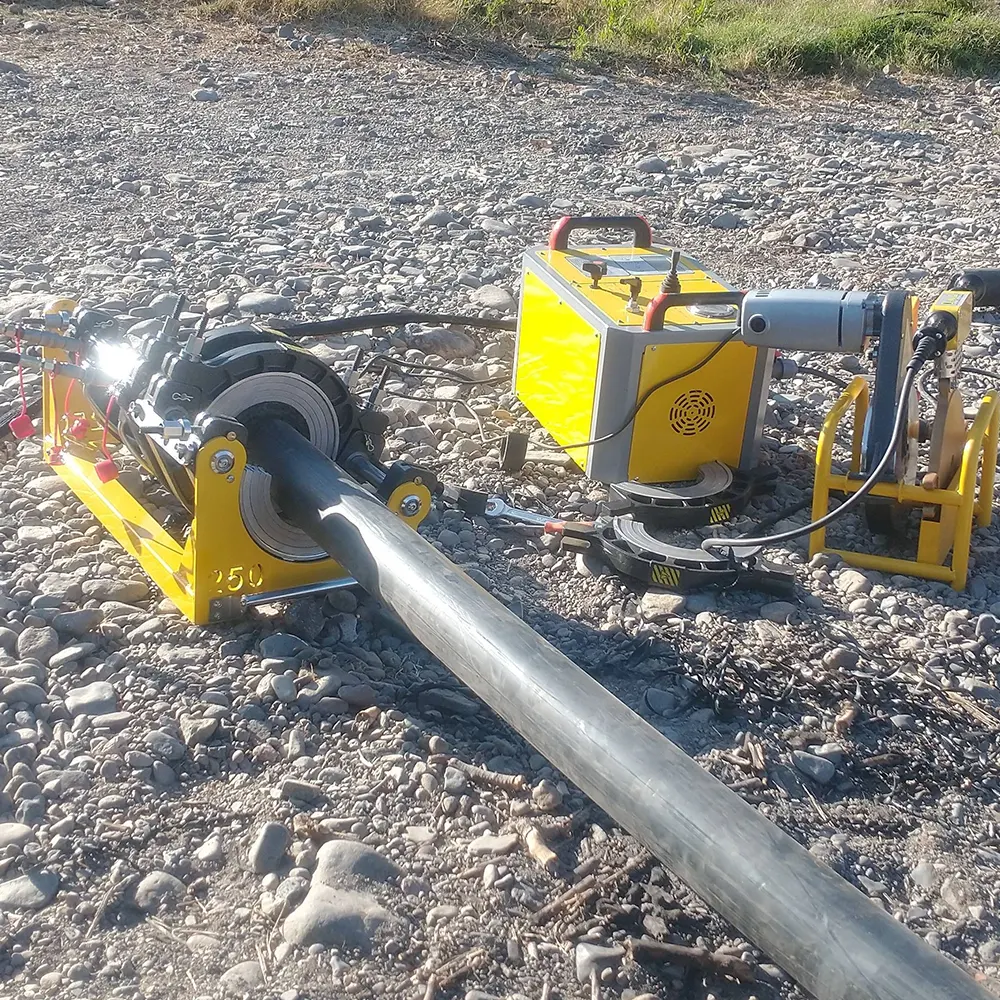
Common Hazards to Watch For
- Thermal burns from hot plates and molten HDPE.
- Electric shocks from damaged cords or wet conditions when using electrofusion units.
- Pinch and crush injuries from clamps, hydraulic rams, and pipe handling.
- Gas exposure and explosion risk when working on live or improperly purged lines.
- Trip and fall hazards from cables, pipe stock, and excavation edges.
Personal Protective Equipment (PPE) Essentials
Appropriate PPE reduces exposure to most hazards during pipe welding. Equip every operator with: safety glasses or face shield, heat-resistant gloves, long-sleeve flame-retardant clothing, steel-toe boots, and high-visibility vests for roadside work. For confined spaces or potential toxic atmospheres, use gas detectors and supplied-air respirators as required.
PPE Quick-Checklist
- Safety glasses + face shield for heating and cutting operations
- Insulated welding gloves for handling hot plates and melted polymer
- Hearing protection when working near heavy machinery
- Respiratory protection during solvent or fume exposure
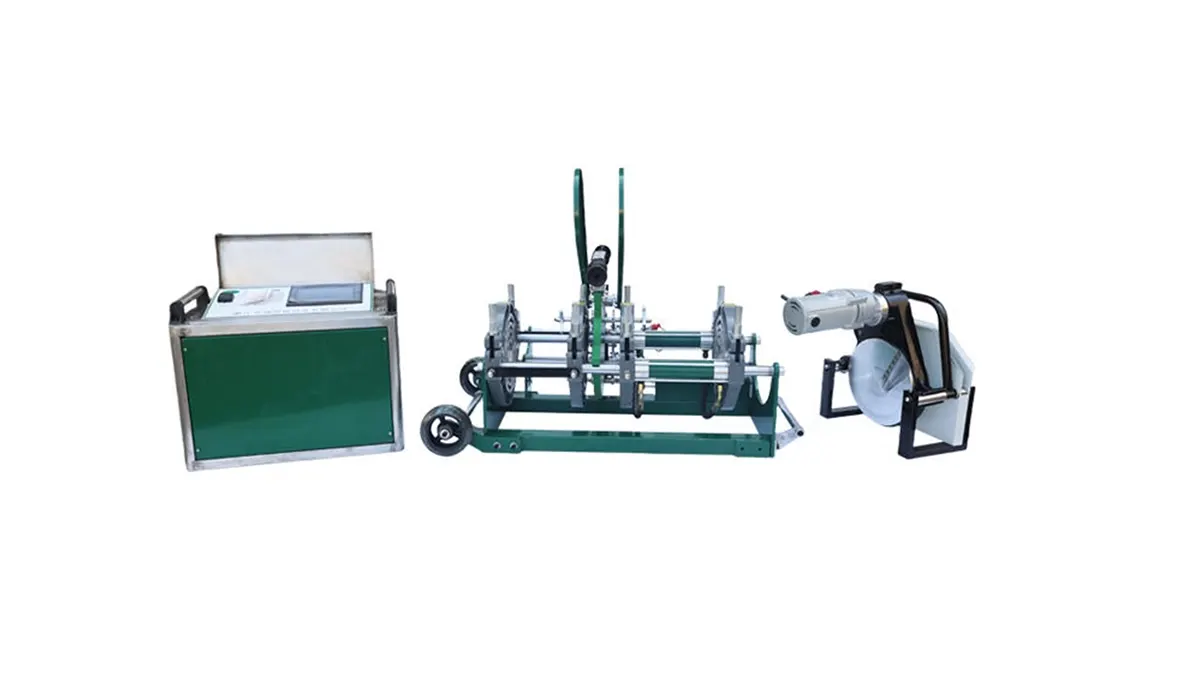
Safe Workflows and Machine Setup
Follow manufacturer instructions and industry standards (such as ISO 21307/EN standards for butt fusion and relevant gas utility codes). Key setup and workflow steps include correct alignment, facing/trimming pipe ends, controlled heating time/temperature, and proper cooling time under clamp control.
Pre-Operation Steps
- Inspect machine, hydraulic lines, and power cables for damage.
- Verify heating plate temperature calibration before each shift.
- Confirm pipe material (PE100, PE80) and wall thickness to set welding parameters.
- Keep a documented log of machine maintenance and calibration.
On-Site Gas Safety Procedures
When working on gas distribution systems, isolation and purge procedures are critical. Never weld on a line that could still contain flammable gas. Use properly rated purging methods, continuous gas detectors, and ensure an emergency response plan is in place.
When to Stop Work Immediately
- Detector alarms or suspected gas smell near the work area.
- Unexpected pressure changes in adjacent pipelines.
- Equipment malfunction that cannot be immediately corrected.
Quality Control & Post-Weld Safety Checks
Safe welding also means creating sound joints. Visual inspection, bead profile checks, and destructive or non-destructive test samples (when required) confirm weld integrity. After each weld, ensure the area is free of hot tools and that clamps are removed only after recommended cooling times.
| Safety Item | Action | Why It Matters |
|---|---|---|
| Machine Inspection | Daily pre-start checklist | Prevents mechanical failures and leaks |
| Temperature Control | Verify plate temp & cycle times | Ensures consistent fusion strength |
| PPE Use | Enforce PPE for all operators | Reduces burn, fume, and impact injuries |
| Gas Purge & Detection | Continuous monitoring & controlled purge | Prevents explosions and asphyxiation |
Training, Documentation, and Competency
Skilled operators make the job safe. Provide certified training on butt fusion and electrofusion techniques, equipment-specific controls, and emergency procedures. Keep competency records and welding logs for traceability. Regular refresher training ensures crews stay current with best practices and code updates.
Final Notes
Choosing robust equipment and maintaining disciplined safety routines dramatically lowers risk. For reliable butt fusion and pipe welding machines designed for gas infrastructure, consider reputable manufacturers and validated service support such as JQ-Fusion. Safe operation combines the right tools, well-trained people, and consistent procedures to protect crews and public assets.



