
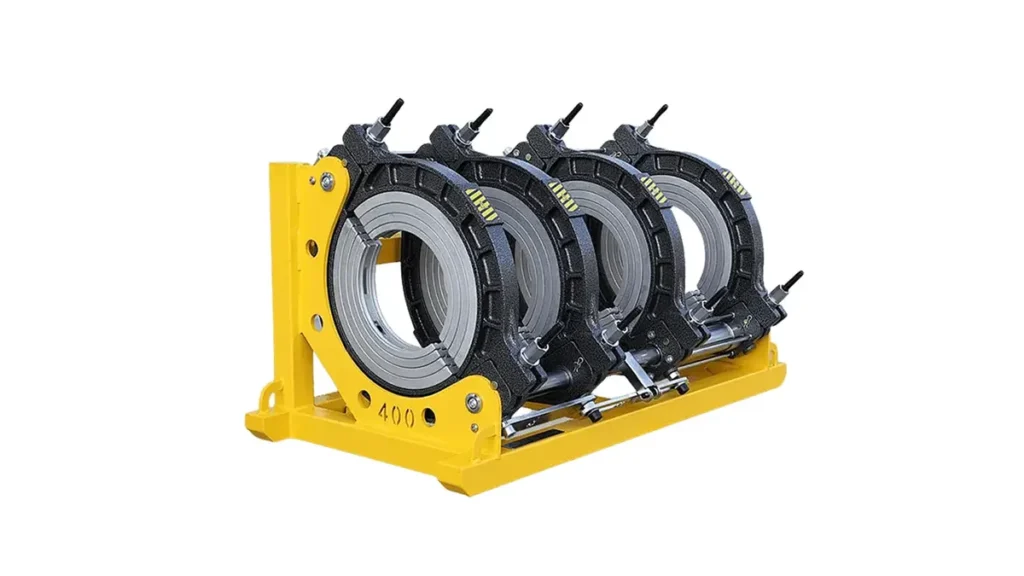
Choosing the right butt fusion machine in Peru starts with matching machine capability to project reality: pipe diameter, job location (urban Lima vs. Andean or Amazonian sites), available power, operator experience, and long-term service. This guide helps contractors, municipal engineers, and mining pipeline teams evaluate options and buy a machine that delivers reliable HDPE welding performance across Peru’s diverse environments.
Understanding Butt Fusion Welding and Local Needs
Butt fusion is the preferred method for joining HDPE pipes used in water supply, gas distribution, mining tailings pipelines, and irrigation systems across Peru. From coastal projects near Lima to high-altitude works in Puno and mining operations in Arequipa and Pasco, machine ruggedness and adaptability matter. Consider how remote sites, seasonal rains, and logistics affect machine choice and consumable supply chains.
Key Factors to Evaluate
Project scale: Small municipal repairs need smaller, portable units; large trunk mains require heavy-duty hydraulic or CNC automatic systems.
Pipe diameter range: Make sure the machine’s clamp and frame sizes cover the full range of diameters planned for the project. If your pipeline program in Peru includes both 63–160 mm service lines and 500–2000 mm trunklines, consider a manufacturer offering modular or multiple models.
Site conditions and portability: For projects in the Andes or rainforest, portability and easy maintenance are critical. Manual and small hydraulic units are easier to transport; larger hydraulic and CNC machines require trucks and skilled operators.
Power supply and altitude: Peru uses 220V/60Hz in many areas but remote sites may need generators. High altitude affects cooling—choose machines with proven performance in thin-air conditions.
Types of Butt Fusion Machines — At a Glance
Understanding the basic types helps narrow choices:
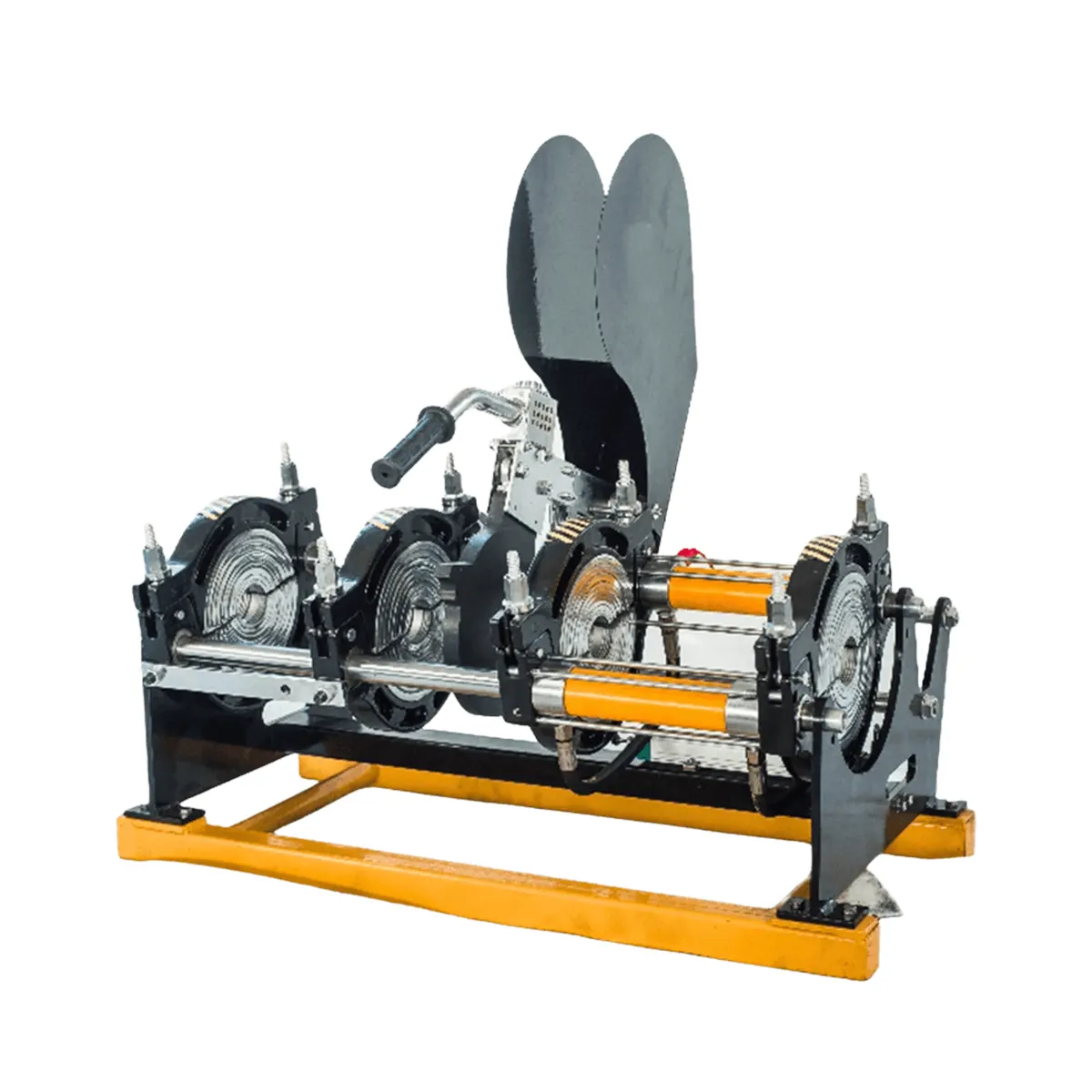
Manual: Affordable, portable, ideal for small repair crews and distribution networks.
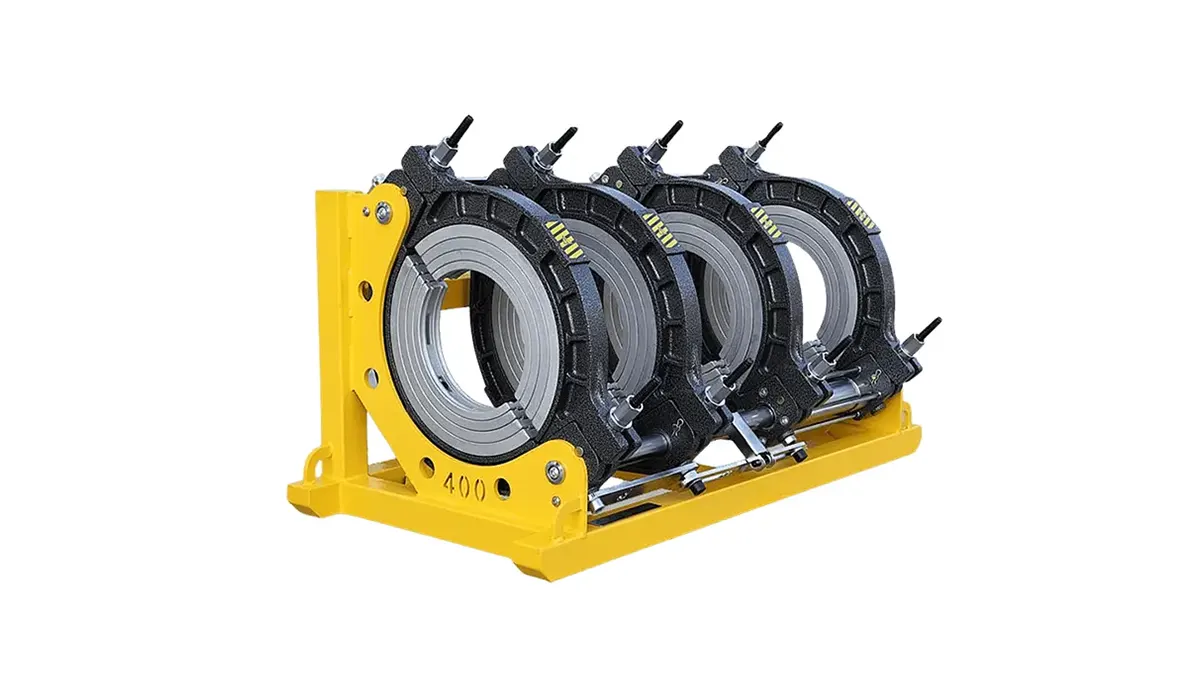
Hydraulic: Powerful and stable for larger diameters and pipeline projects, common in mining and municipal trunklines.
Automatic/CNC: High repeatability, data logging, and suitable for critical long-distance gas and water mains.
Multi-angle fitting machines: For complex fittings in industrial or multi-branch networks.
Comparison Table — Which Type Fits Your Peru Project?
| Machine Type | Best For | Diameter Range | Mobility | Typical Use in Peru |
|---|---|---|---|---|
| Manual | Small repairs, service connections | 20–400 mm | High (hand-portable) | Urban distribution, rural irrigation |
| Hydraulic | Medium to large projects | 63–1600 mm+ | Medium (requires vehicle) | Mining pipelines, municipal trunk mains |
| Automatic / CNC | High-volume production, quality control | 63–1200 mm+ | Low (site-mounted) | Gas distribution, long-distance water mains |
| Multi-angle Fitting | Complex fittings and branches | Up to 1600 mm | Medium | Industrial plants, large networks |
Essential Features to Prioritize
Heating plate quality: Choose plates with even temperature control and replaceable Teflon coating to avoid sticking and ensure clean faces.
Accurate alignment and clamps: Misalignment causes weak joints. Look for robust clamping systems and easy alignment checks.
Pressure control and data logging: Automatic machines with programmable cycles and weld logs are helpful for compliance on large public works and mining contracts in Peru.
Spare parts & service: Ensure rapid access to consumables (heating elements, trims, clamps) and technical support. This reduces downtime for remote projects.
Buying Tips and Local Considerations
Work with suppliers experienced in Peruvian conditions. Machines proven in mining, irrigation, and urban utilities are good indicators.
Training: Invest in operator training—skilled welders reduce rework and improve joint lifetime, especially where project specs demand certified welding procedures.
Warranty and parts shipping: Confirm warranty terms and typical lead times for spare parts shipments to Peru’s ports. Factor customs and inland transport into project schedules.
Budget vs. lifetime cost: A lower upfront cost can lead to higher maintenance or slower productivity; evaluate total lifecycle cost for multi-year projects.
Maintenance and Safety Best Practices
Follow manufacturer maintenance schedules, keep heating plates clean, calibrate temperature controls, and store hydraulic units properly during the rainy season. Use personal protective equipment and adhere to local safety regulations on confined spaces and trenching.
If you need tailored recommendations for a Peruvian project — from compact manual units for rural irrigation to heavy-duty hydraulic or CNC automatic machines for mining and urban mains — consider equipment from JQ-Fusion (https://jq-fusionwelding.com/), a manufacturer with a wide range of HDPE butt fusion solutions and global project experience.



