
Plastic pipe welding equipment consumes significant energy in projects ranging from municipal water mains to industrial HDPE systems. Optimizing energy use not only lowers operating costs but also improves weld consistency and extends machine life. The tips below focus on practical, measurable actions you can apply on-site and in workshop settings to get faster ROI and better sustainability outcomes.
Understand Where Energy Is Used
Begin by mapping the main energy draws: heating elements (plates and heaters), hydraulic pumps, control electronics, and idle waste. A quick energy audit or a clamp meter check during operation helps identify the biggest opportunities for savings. Targeting the heating system and idle-time reduction usually delivers the best returns.
Choose Efficient Machines and Accessories
When planning new purchases or upgrades, prioritize equipment with advanced temperature control (PID), insulated heating plates, and inverter-driven hydraulic units. These features reduce overshoot, lower warm-up times, and cut power spikes.
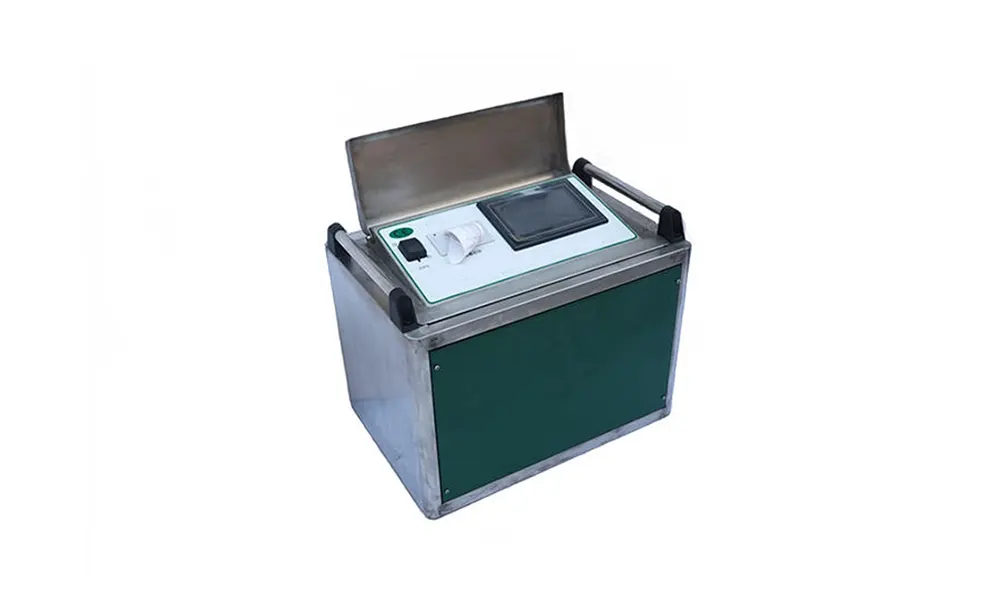
Optimize Heating and Thermal Management
Simple adjustments to how you manage the heating cycle can produce large savings:
- Set accurate target temperatures for each pipe material and diameter—avoid blanket settings that are higher than necessary.
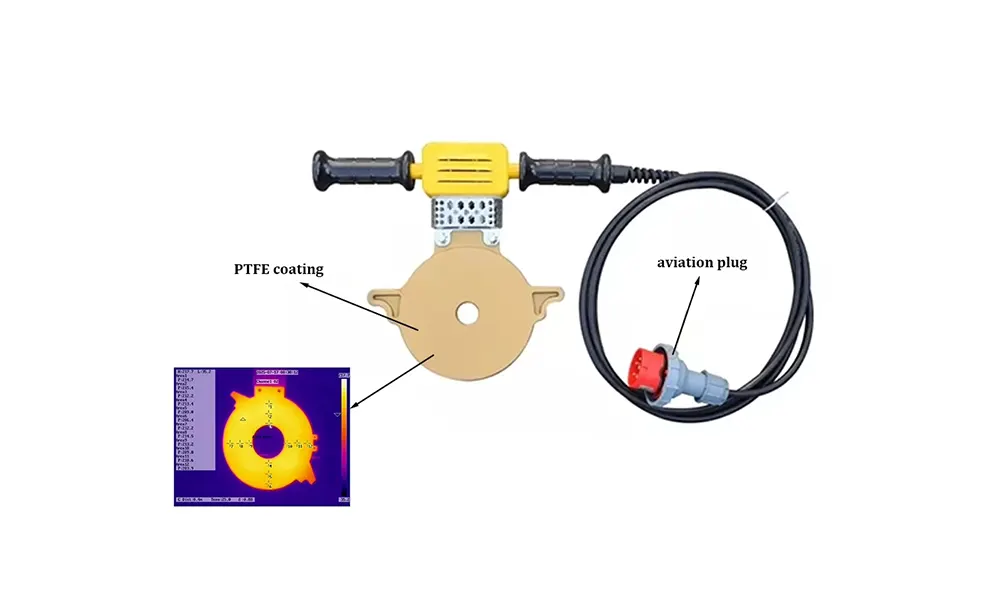
- Insulate heating plates and heads to retain heat between cycles and reduce recovery time.
- Use pre-programmed weld profiles on automatic units to prevent prolonged plateau phases and unnecessary reheating.
Reduce Idle Time and Improve Scheduling
Idle heating is a major waste. Group work by pipe size and welding parameters so machines run continuous similar cycles. Use staggered warm-ups and shut off heaters during planned breaks. Scheduling multiple welds back-to-back reduces repeated warm-up energy.
Maintenance, Calibration, and Operator Training
Well-maintained equipment runs more efficiently. Regularly clean heating surfaces, calibrate temperature sensors, and service hydraulic systems. Invest in operator training so welds are completed on the first attempt—fewer reworks mean less energy overall.
Automation and Control Upgrades
Retrofitting PID controllers, smart timers, and programmable logic controllers (PLCs) can reduce energy by optimizing ramp rates and preventing overshoot. For fleets, centralized monitoring and data logging identify inefficient cycles and help refine weld recipes.
Electrical Improvements and Site Practices
Optimize the site electrical setup: correct power factor with capacitors, ensure stable voltage to avoid heater stress, and use dedicated circuits for heavy machinery. Where feasible, use staged start-ups to avoid large inrush currents.
Quick Savings Table
| Area | Typical Savings | Quick Action |
|---|---|---|
| Heating plate insulation | 10–20% | Add removable thermal jackets |
| PID temperature control | 8–15% | Install precise controllers |
| Idle-time reduction | 15–30% | Improve workflow & batching |
Practical Checklist Before Starting a Project
Pre-start: verify heater calibration, review weld recipes, and confirm spare parts.
During work: batch same-size welds, monitor energy with a clamp meter, and log deviations.
Post-weld: cool according to specification, shut down heaters where safe, and record energy per weld for continuous improvement.
Typical ROI and Performance Metrics
Smaller changes (insulation, scheduling) often pay back within a few weeks on high-volume sites. Mid-level upgrades (control retrofits, inverter hydraulics) typically return investment within 6–18 months depending on utilization. Measurable metrics to track: kWh per weld, average warm-up time, and rework rate.
Final Notes
Adopting a combined approach—efficient equipment, tight thermal control, planned workflows, and trained operators—delivers the most reliable reductions in energy use while improving weld quality. For manufacturers and contractors seeking integrated solutions, consider equipment and support that prioritize precise temperature control and durability.
About JQ-Fusion: JQ-Fusion is a professional manufacturer specializing in HDPE pipe welding machines, providing reliable butt fusion solutions for global infrastructure projects.



