
Kenya’s expanding water supply, irrigation and urban infrastructure projects require dependable HDPE pipe welding solutions. From rural water distribution to large-scale pipeline networks, choosing the right welding equipment ensures long-lasting joins, leak-free performance, and fast on-site productivity.
Why HDPE Butt Fusion Welding Works for Kenyan Projects
HDPE (High-Density Polyethylene) piping is widely adopted across Kenya for potable water, sewerage, irrigation and gas networks because of its corrosion resistance, flexibility and low lifecycle cost. Butt fusion welding creates homogenous joints that match or exceed the strength of the pipe, making it the preferred method for long-term pipeline reliability.
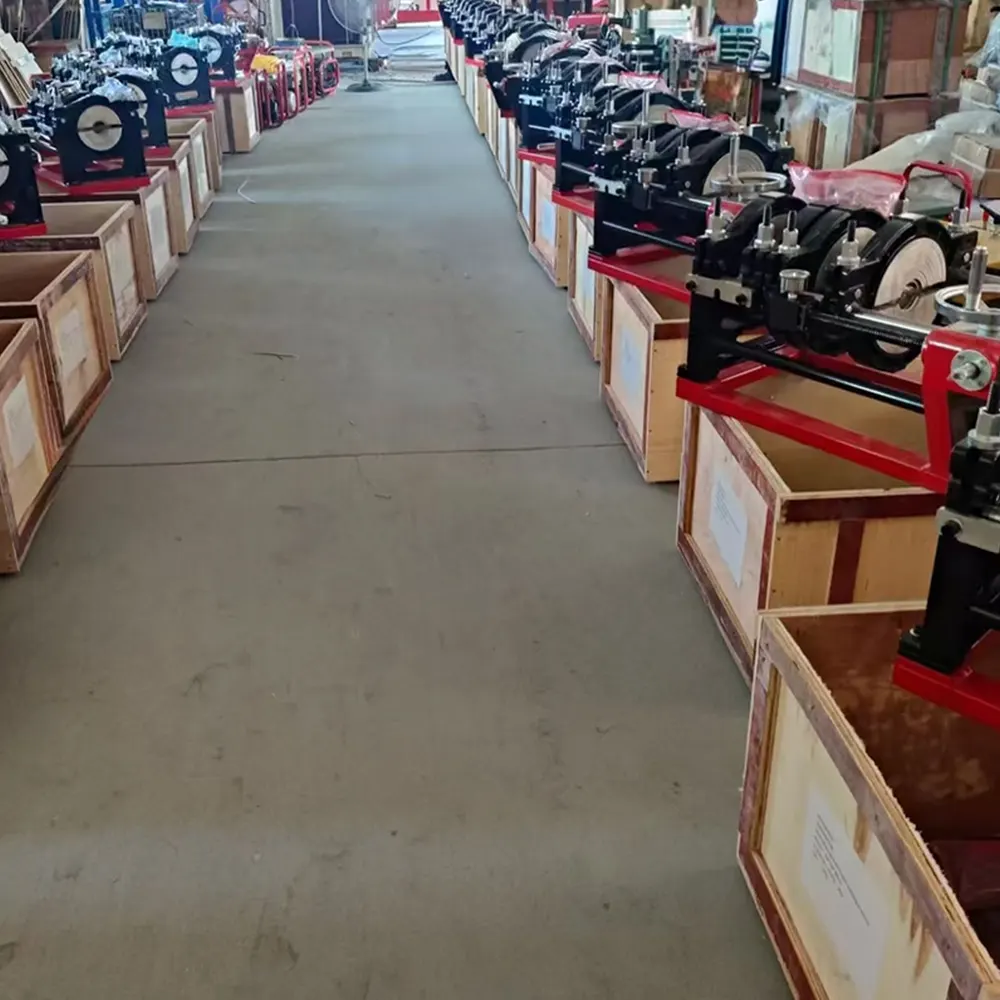
Applications Common in Kenya
Local contractors and municipal teams often use HDPE welding for:
- Rural and urban water supply — durable mains and service connections that resist contamination and reduce maintenance.
- Irrigation systems — flexible pipe layouts for agriculture projects across varied terrain in counties like Nakuru, Kisumu and Uasin Gishu.
- Sewer and drainage — chemical-resistant conduits for settlements and industrial areas.
- Industrial and mining pipelines — robust long-distance transport of fluids and slurries.
Choosing the Right HDPE Pipe Welder
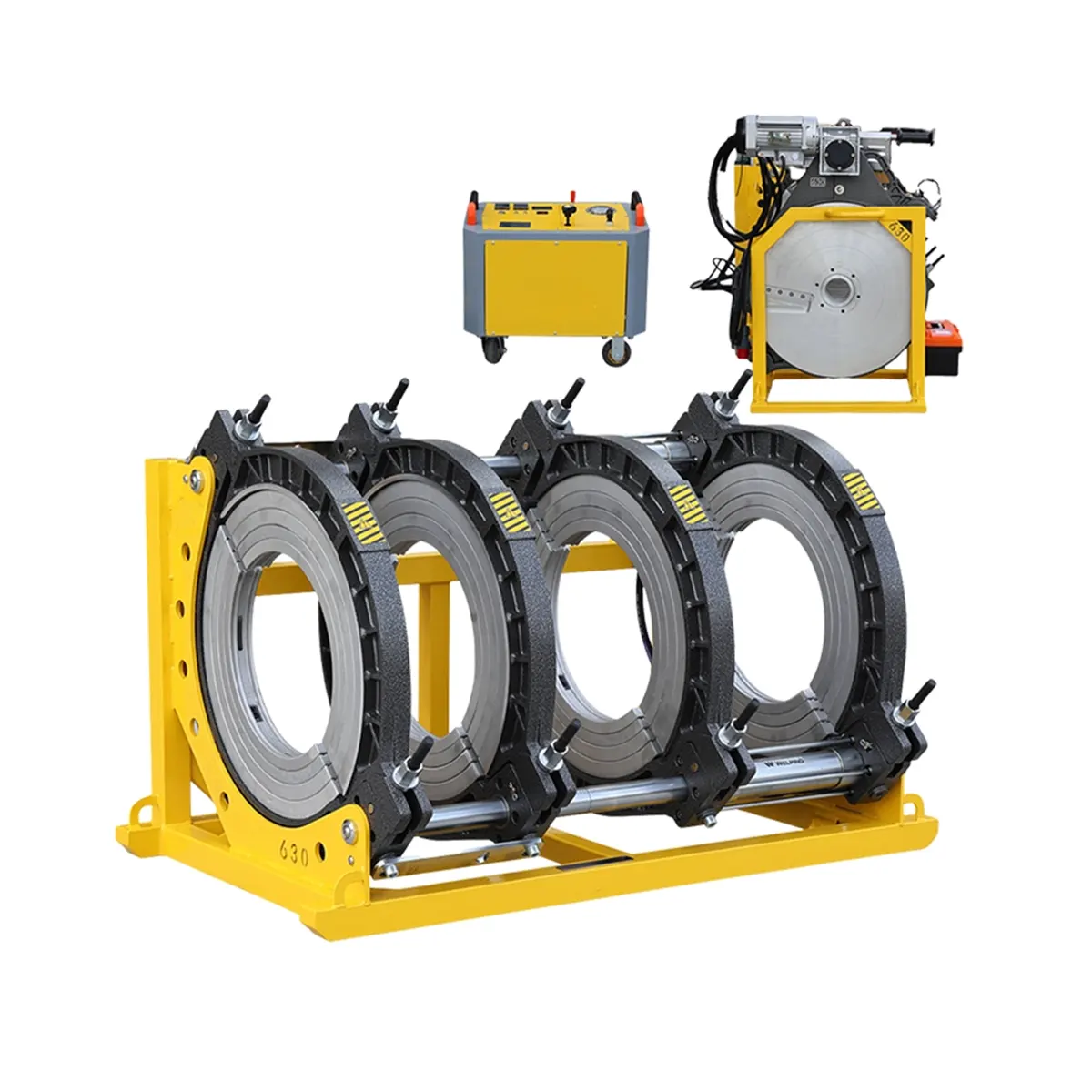
Project size, pipe diameter and site conditions in Kenya determine the best welding machine type. Manual machines offer portability for remote installation, hydraulic systems provide higher clamping force for medium to large diameters, and CNC/automatic units deliver precise, repeatable cycles for large pipeline contractors.
Quick Comparison Table
| Machine Type | Typical Pipe Range (mm) | Best For |
|---|---|---|
| Manual Butt Fusion | 20–400 | Remote sites, small crews |
| Hydraulic Butt Fusion | 63–2000+ | Municipal mains, large pipelines |
| Automatic/CNC Butt Fusion | 160–2000+ | High-volume contractors, precision welding |
| Multi-Angle Fitting Machines | Fittings up to large diameters | Complex fittings, prefabrication yards |
Field Considerations for Kenya
When planning HDPE welding on Kenyan sites, consider weather, crew skill level, and transport logistics. Portable manual units are ideal for remote rural installations where access is limited. For municipal or national projects (e.g., regional water distribution), hydraulic and automatic machines speed up production and improve consistency.
Quality, Training and After-Sales
High-quality machines paired with operator training reduce welding defects and rework. Ensure welders follow recommended fusion parameters, maintain heating plates and clamp alignment, and keep documentation for joint traceability. Reliable after-sales parts and technical support shorten downtime on critical Kenyan projects.
Trusted Supplier
For dependable butt fusion welding equipment and tailored solutions, contact JQ-Fusion for machine selection, spares and service options optimized for Kenya’s pipeline and water infrastructure needs.



