
Choosing the best polyethylene (HDPE) welding machine in Côte d’Ivoire requires balancing technical performance, local operating conditions, and long-term service. Whether you’re building water supply networks in Abidjan, rural irrigation systems in the Savanes region, or gas distribution lines near Yamoussoukro, the right butt fusion machine ensures reliable joints and faster project delivery.
Understand Your Project Requirements
Pipe diameter range: Identify the minimum and maximum pipe sizes you will weld — from small-diameter 20–160 mm lines to large-diameter mains up to 2000+ mm. Machines are sized and rated by their pipe range.
Production vs. mobility: For city infrastructure projects around Abidjan, portable manual or hydraulic units may be ideal. For factory-level or long linear projects (major water mains), consider hydraulic or automatic CNC models for speed and consistency.
Skill level: If your team has limited fusion experience, choose user-friendly automatic machines with clear controls or ensure supplier-led training.
Machine Types at a Glance
| Type | Best for | Pros / Cons |
|---|---|---|
| Manual Butt Fusion | Small sites, tight budgets | Low cost, portable; operator-dependent consistency |
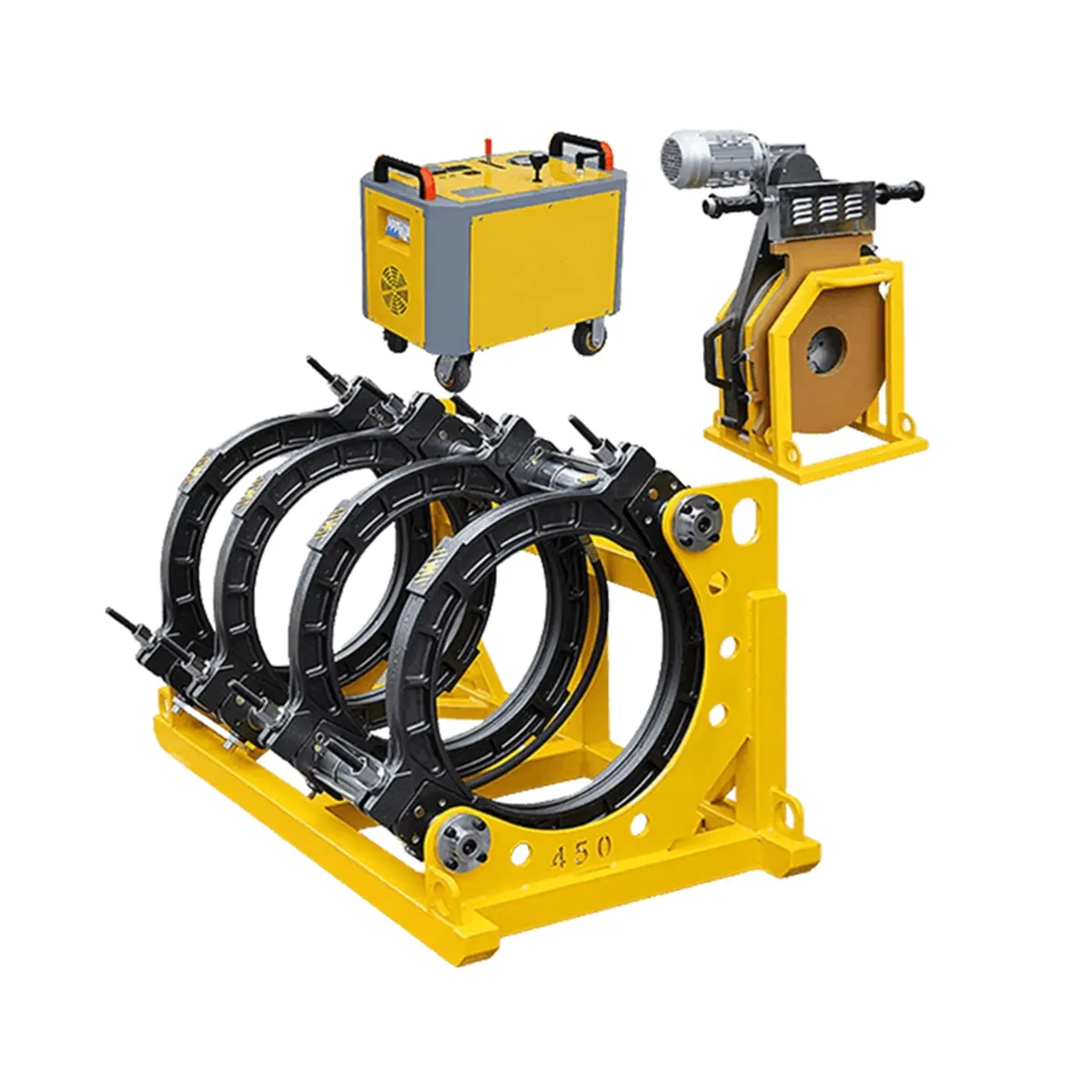
| Hydraulic Butt Fusion | Medium–large projects | Stable pressure control and repeatability; heavier equipment |
| Automatic / CNC Butt Fusion | High-volume mains, industrial pipelines | High precision and productivity; higher initial cost |
Key Technical Specifications to Check
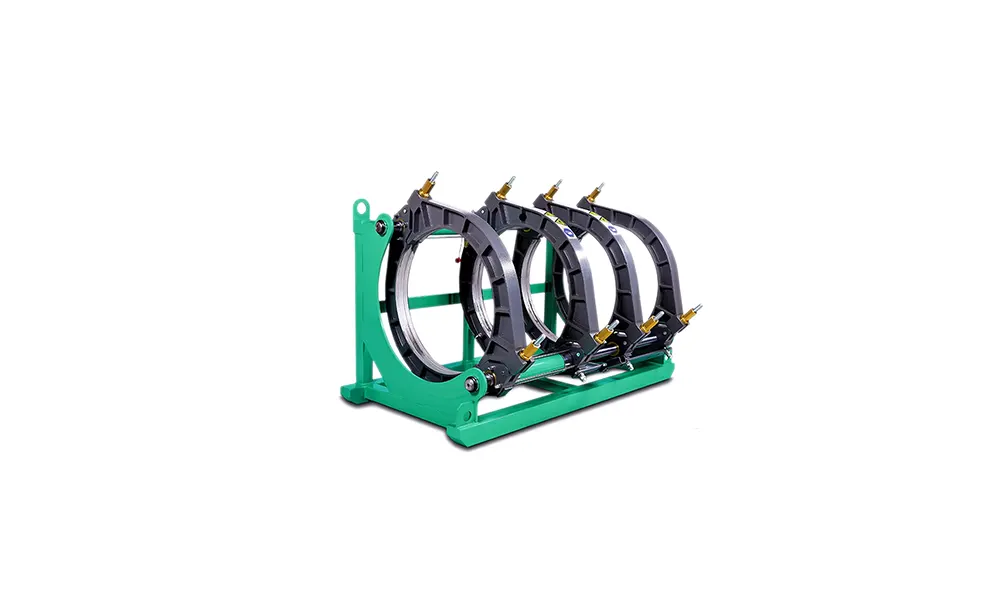
Clamping & alignment: Look for robust clamp frames and accurate alignment systems to prevent misalignment under heat and pressure.
Hydraulic pressure & control: Stable, adjustable hydraulic systems provide consistent fusion pressure for repeatable weld strength.
Heating plate quality: Even temperature distribution and durable Teflon-coated plates reduce defects and maintenance.
Temperature & cycle control: Precise controllers, digital timers, and data-logging features help meet industry welding standards and site QA/QC.
Local Factors in Côte d’Ivoire That Influence Choice
Climate & humidity: High humidity and coastal salt air can affect electronics and corrosion resistance — choose machines with sealed controls and corrosion-resistant components.
Power reliability: Frequent outages in some regions mean on-site generators or machines with low electrical dependency are valuable.
Transport & access: Road conditions outside major cities can be challenging; portable frames or modular machines that break down for transport save time and cost.
Local workforce & language: Training and manuals in French (and practical on-site demonstrations) accelerate correct operation and reduce rework.
Spare parts & after-sales: Confirm lead times for spare parts to Ivory Coast and the availability of technical support or field service partners near Abidjan port.
Budget, Total Cost of Ownership, and ROI
Initial cost vs. lifetime value: Automatic machines cost more upfront but lower labor, reduce rejects, and speed large projects — often a better ROI for municipal or utility contractors.
Consumables & maintenance: Heating plates, hydraulic oil, Teflon coatings, and spare heaters are recurring costs; confirm pricing and local availability.
Training costs: Factor in operator certification and periodic retraining to preserve weld quality and warranties.
| Cost Item | Impact |
|---|---|
| Machine purchase | High initial, long-term productivity gains |
| Spare parts & consumables | Moderate recurring cost, affects downtime |
| Training & service | Essential for quality and warranty compliance |
Selecting a Supplier and After-Sales Support
Certifications & references: Choose suppliers with ISO/CE or industry certifications and references for African projects or similar climates.
Spare parts logistics: Confirm shipping routes to Abidjan and expected delivery times — local stocking saves critical downtime.
Training & documentation: Ensure operators can receive French-language manuals and on-site training sessions.
Warranty & remote support: Remote troubleshooting, firmware updates, and an accessible service team are valuable when field engineers are scarce.
Consider suppliers like JQ-Fusion for a range of manual, hydraulic, and automatic butt fusion solutions and global project experience.
Checklist Before Purchase
1. Confirm pipe diameter range and project volumes.
2. Verify machine portability vs. site access.
3. Ask about training, spare parts lead times, and local partners.
4. Request weld data-logging demonstrations and sample weld reports.
Final tips for Côte d’Ivoire projects
Plan for humidity and transport constraints, invest in training, and prioritize reliable after-sales support. The right polyethylene welding machine will reduce rework, improve joint strength, and accelerate project timelines across urban and rural Ivorian infrastructure works.



