
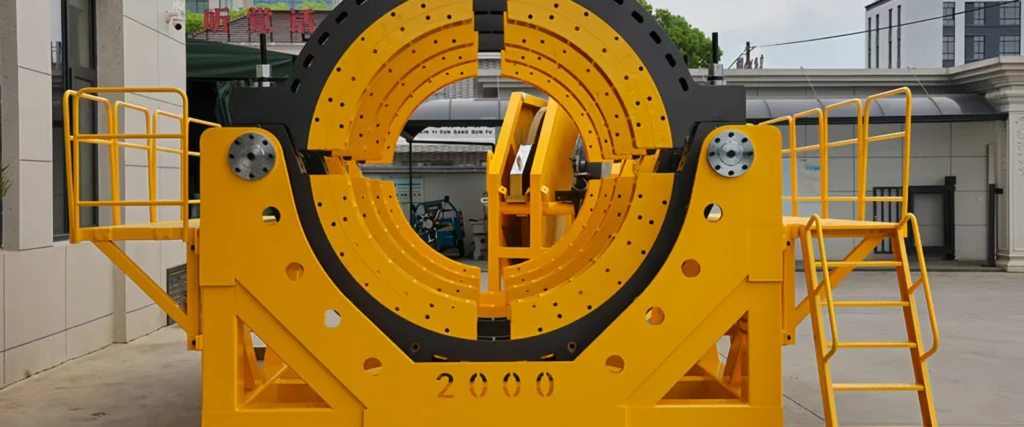
Choosing the best plastic pipe welding equipment in Denmark means balancing performance, compliance, and after-sales support. Danish infrastructure projects—from municipal water networks and district heating to agricultural irrigation and offshore connections—require machines that handle cold climates, coastal conditions, and strict European standards. This guide explains what to look for and which supplier stands out for Danish buyers.
Why equipment choice matters in Denmark
Durability in cold and wet conditions — Denmark’s coastal weather and winter temperatures demand machines with corrosion resistance, sealed electronics, and robust hydraulic systems. Equipment that can be transported easily between islands and rural sites is also a major advantage.
Regulatory compliance and quality assurance are essential. Contractors and utilities expect CE marking, ISO quality control, and traceable welding records for long-term pipeline integrity.
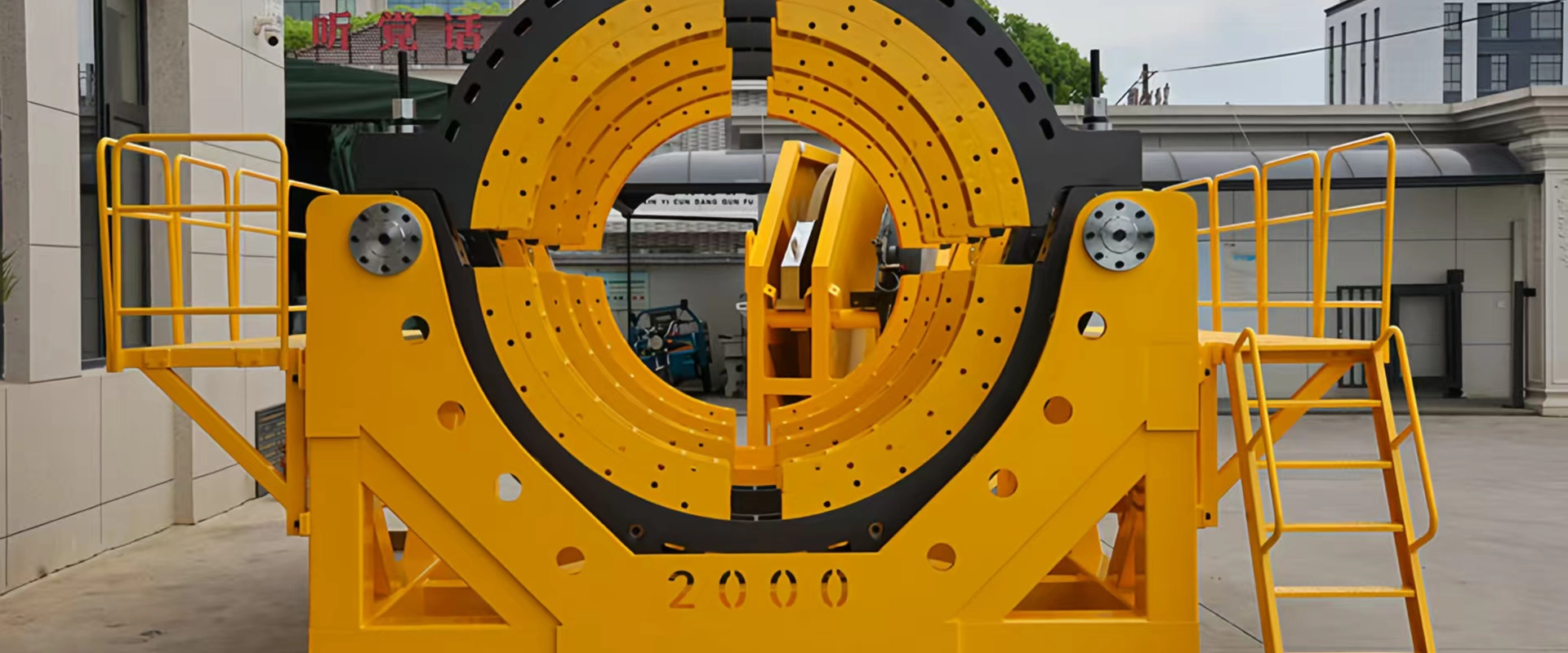
Key features Danish buyers should prioritize
• Wide pipe diameter coverage — from small service lines to large-diameter district heating pipes.
• Accurate temperature and pressure control for reproducible butt fusion joints even at low ambient temperatures.
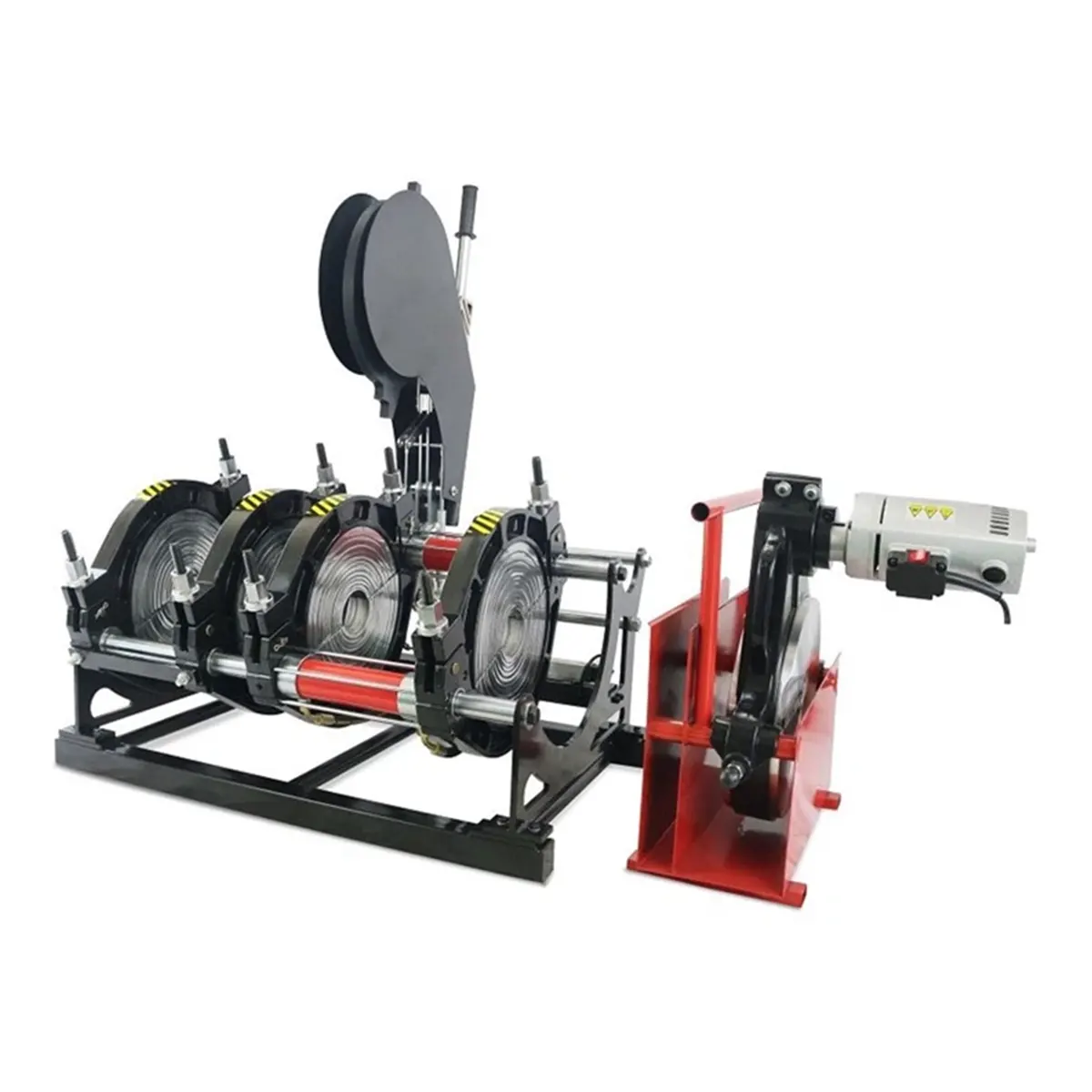
• Portability vs. automation balance — lightweight manual units for field repairs; hydraulic and CNC automatic machines for large projects.
• Serviceability and spare parts availability within the EU to minimize downtime on Danish job sites.
Quick comparison: manual, hydraulic, and automatic models
| Type | Diameter Range | Best for |
|---|---|---|
| Manual Butt Fusion | 20–400 mm | Field repairs, tight workspaces |
| Hydraulic Butt Fusion | 160–1800+ mm | Municipal water & gas lines, district heating |
| CNC Automatic Butt Fusion | 63–1200 mm | High-volume production, pipeline contractors |
Top pick for Denmark
For Danish contractors and utility teams looking for global experience combined with a comprehensive product range, JQ-Fusion offers manual, hydraulic, and CNC automatic butt fusion machines that cover small to very large diameters, with an emphasis on build quality and customizable solutions.
Practical buying tips for Danish customers
• Verify CE/ISO certifications and ask for welding procedure documentation to meet Danish utility standards.
• Prioritize suppliers that provide spare parts shipping from EU-friendly hubs (Aarhus, Copenhagen ports) and offer remote technical support in English or Danish.
• Choose machines with cold-weather operation packages (insulated control units, low-temperature hydraulics) if working year-round outdoors.
• Consider training and on-site commissioning—local teams benefit from product-specific courses and clear maintenance schedules to extend machine life.
Final considerations
Selecting the best plastic pipe welding equipment in Denmark is about matching machine capability to project scale, ensuring regulatory compliance, and securing reliable after-sales support. Evaluate machine specs, warranty terms, and parts logistics before committing—this approach delivers safe, long-lasting pipeline systems across Denmark’s varied environments.



