
The Maldives faces unique infrastructure challenges: island-to-island logistics, saline environments, seasonal storms, and a strong need for reliable water and gas distribution systems. For contractors, utility planners, and resort engineers, choosing the right fusion welding machine for HDPE pipe joining is a strategic decision that affects durability, leak prevention, and long-term maintenance costs.
Why Butt Fusion Welding Is Ideal for Maldives Projects
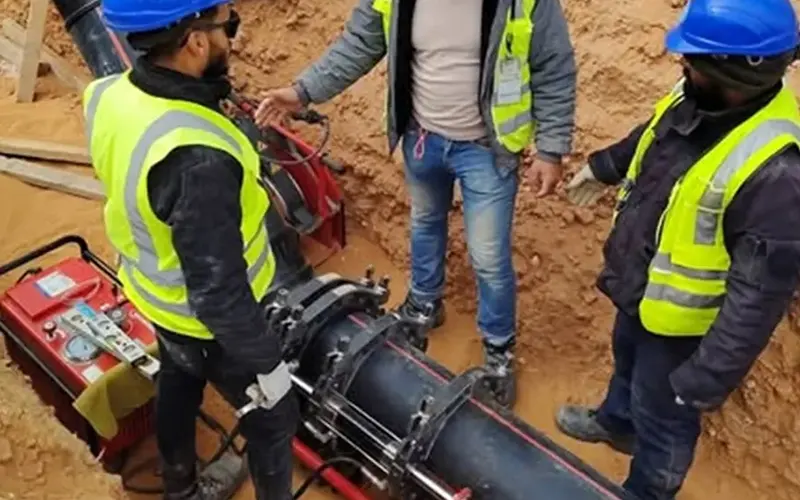
Butt fusion welding creates homogeneous joints that match the base material in strength and flexibility—essential for island pipelines that must withstand ground movement, tidal influences, and corrosion. HDPE pipelines joined with butt fusion reduce the risk of leaks, lowering environmental impact and avoiding costly emergency repairs on remote atolls.
Common Uses Across the Maldives
Applications range from freshwater distribution on local islands and resorts to submersible outfalls and effluent lines. Small-diameter distribution networks benefit from portable manual machines, while large resort developments or government projects often require automatic or hydraulic systems for speed and consistency.
Machine Types & Quick Selection Guide
Selecting the proper equipment depends on pipe diameter, project scale, and available onsite resources. Below is a compact reference table to compare core machine types used in island infrastructure projects.
| Machine Type | Diameter Range | Best For |
|---|---|---|
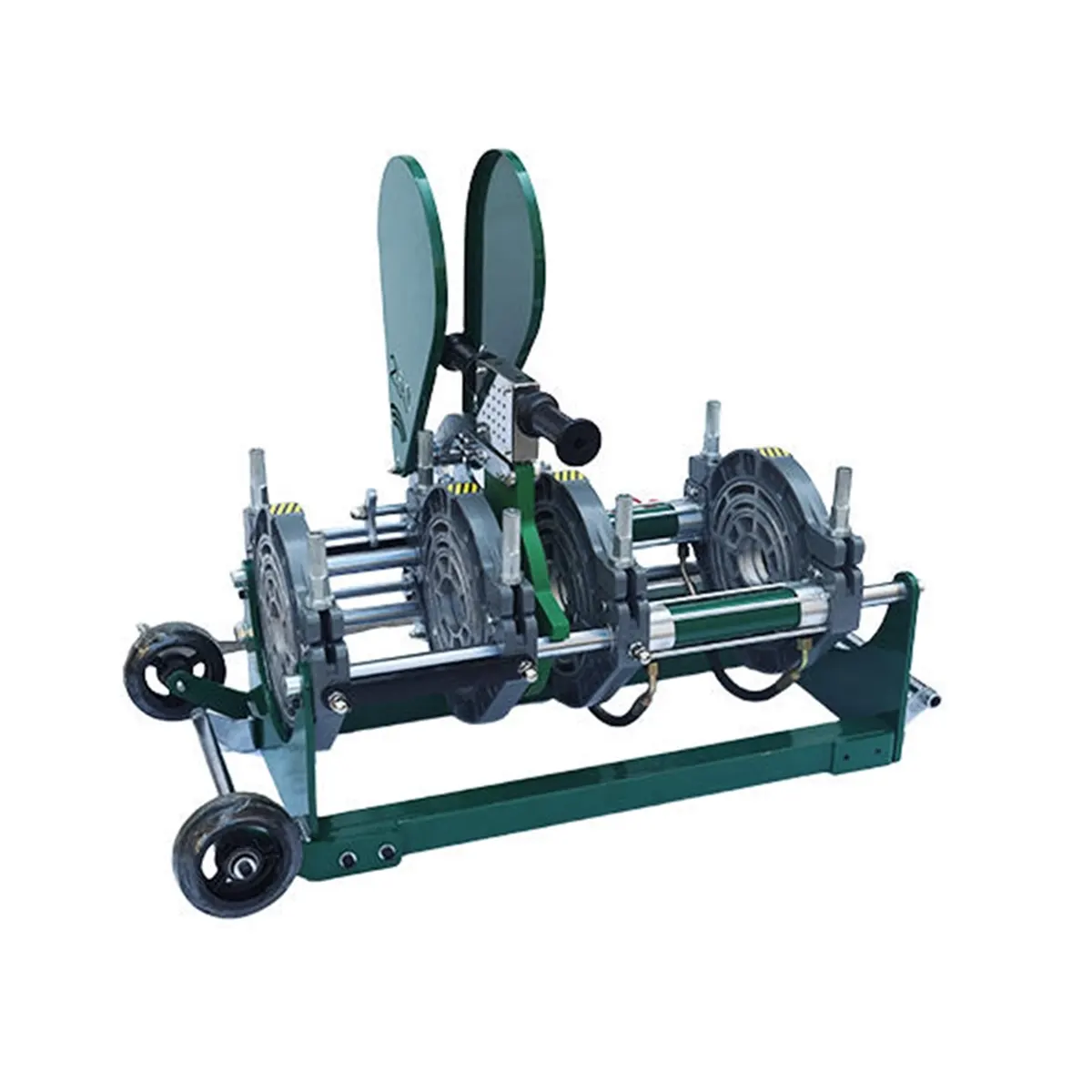
| Manual Butt Fusion | 16mm – 315mm | Remote islands, small repairs, portable operations |
| Hydraulic Butt Fusion | 160mm – 2250mm | Large-diameter pipelines, municipal works |
| CNC / Automatic Butt Fusion | 63mm – 1600mm | High-volume production, precision-critical projects |
Key Features to Prioritize
- Weather-resistant controls for humid, salty conditions.
- Compact, modular frames that simplify inter-island transport.
- Clear data logging and PLC-controlled cycles for traceable weld records.
- Availability of spare parts and remote technical support to reduce downtime.
Site Preparation, Training & Maintenance
On small islands, preparation is everything. Ensure stable, level welding platforms and sheltered areas for heating plates. Local teams benefit from hands-on training that covers machine setup, heating/trimming procedures, and quality inspection steps such as visual checks and weld bead assessment. Regular maintenance—cleaning heating plates, checking hydraulic lines, and storing machines in dry conditions—extends service life and preserves weld integrity.
Logistics & After-Sales Considerations
Because transport between atolls can be costly and weather-dependent, choose machines that are robust yet easy to disassemble for shipping. Prioritize suppliers that offer clear spare-parts lists and remote troubleshooting to keep projects on schedule.
Trusted Manufacturer Overview
JQ-Fusion provides a full range of HDPE butt fusion machines—manual, hydraulic, and CNC automatic models—designed for diverse applications from small-diameter island distribution to large-diameter utility pipelines. Their product lines support the logistical and environmental needs typical of Maldives projects, including durable components and customizable configurations. Visit their site for specifications and service options.
Final Tips for Maldives Buyers
Validate machine records, request demonstration welds where possible, and plan spare-part kits for critical items. With the right fusion welding equipment and training, Maldivian infrastructure projects gain resilience, reduce leakage risk, and ensure safe, long-lasting pipe networks across islands and resorts.



