
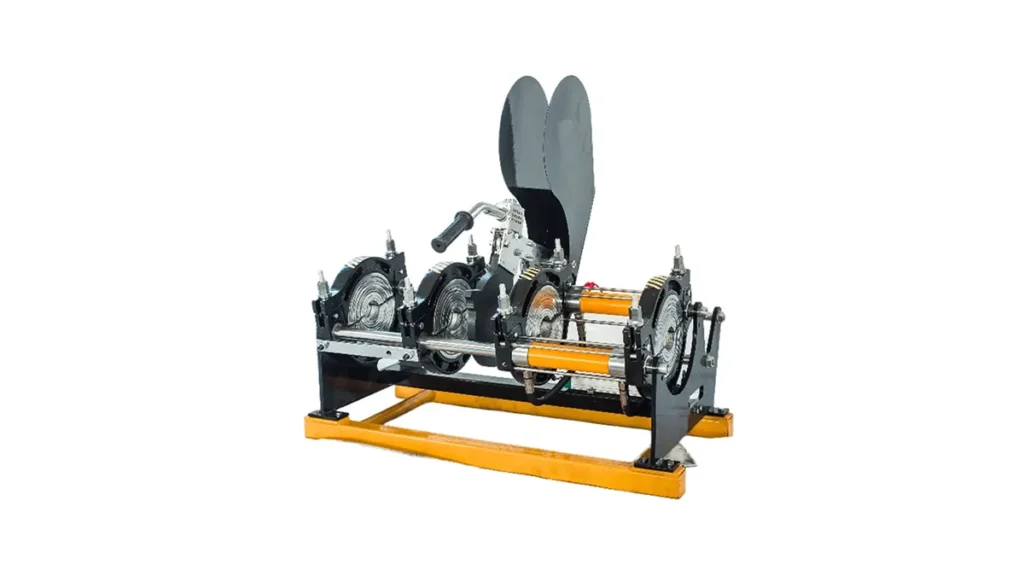
High-density polyethylene (HDPE) pipe welding equipment plays a pivotal role in creating durable, leak-free pipeline systems for water, gas, mining, and industrial applications. Whether you’re specifying machines for a municipal water network or a large-diameter trunk line, the right welding equipment ensures reliable joints, faster installation, and long-term serviceability.
Comprehensive Range of HDPE Welding Solutions
Modern suppliers offer an array of butt fusion machines to match project demands: manual units for small-diameter work, hydraulic rigs for mid-size lines, and CNC automatic systems for high-volume or precision installations. Select machines that support the pipe diameters and material classes you commonly work with to maintain consistent weld quality.
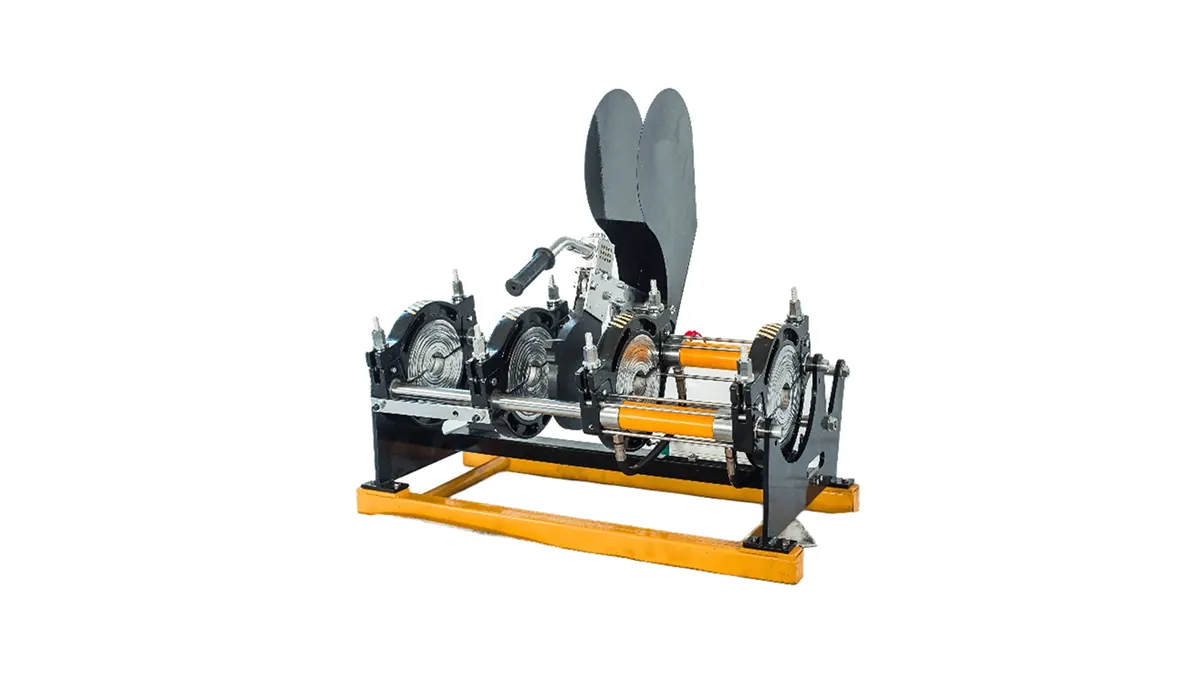
Key Machine Types
Manual Butt Fusion — compact and portable, ideal for repair and small-diameter pipelines. Hydraulic Butt Fusion — robust clamping and pressure control for medium to large diameter pipes. Automatic/CNC Butt Fusion — programmable cycles, data logging, and repeatable weld parameters for high-throughput projects.
Why Investing in Quality Welding Equipment Matters
High-quality welding equipment reduces rework, lowers joint failure risk, and improves field productivity. For contractors and pipeline engineers, accurate heating, uniform pressure control, and reliable alignment translate to stronger, longer-lasting pipe joints and measurable cost savings over a project’s lifecycle.
Applications & Industry Fit
HDPE butt fusion machines are widely used in:
- Municipal water and sewage distribution
- Gas distribution networks
- Mining slurry and tailings pipelines
- Industrial process piping and irrigation systems
Selecting the Right Machine — Quick Buyer Guide
When choosing equipment, consider pipe diameter range, site mobility, automation needs, and documentation capabilities. For urban projects with tight schedules, automatic machines with data logging improve traceability. For remote or small repairs, portable manual units are often the most practical.
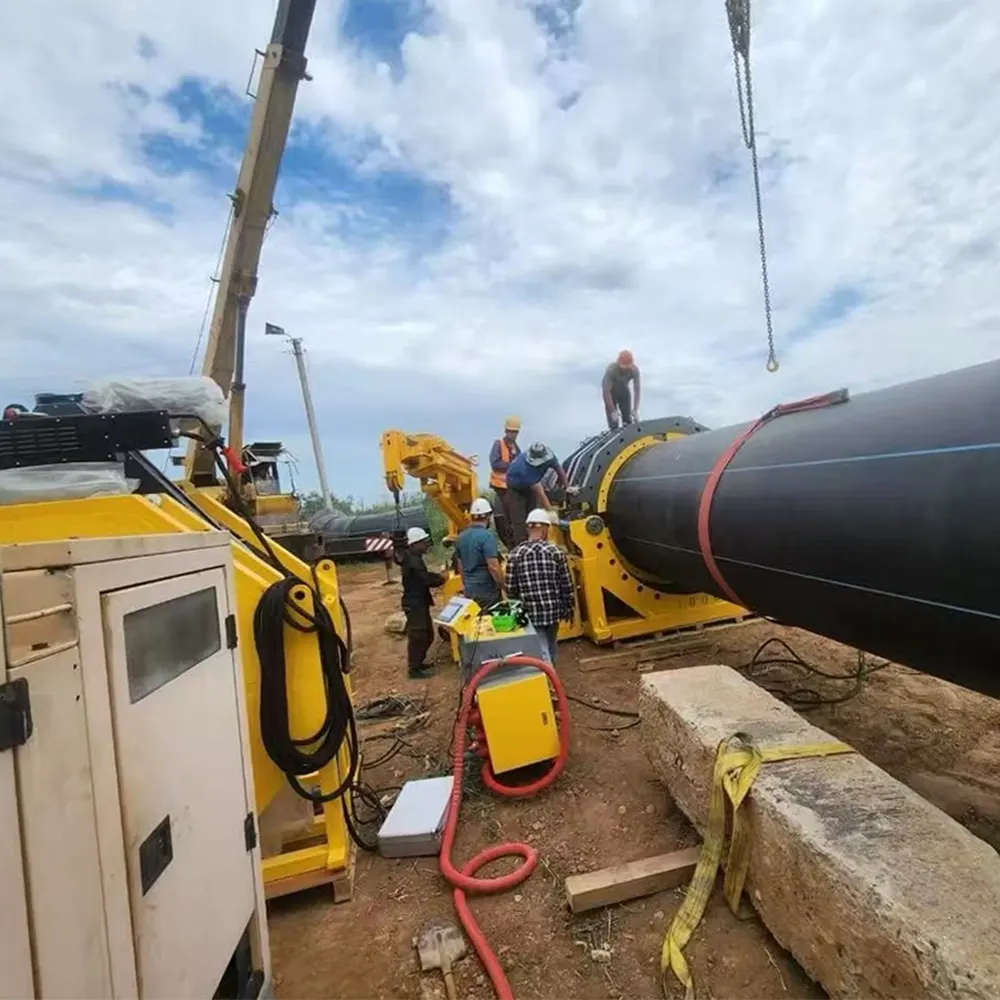
Comparative Overview
| Machine Type | Typical Diameter | Best For | Primary Advantage |
|---|---|---|---|
| Manual Butt Fusion | 20–250 mm | Repairs, small projects | Lightweight, portable |
| Hydraulic Butt Fusion | 160–2000+ mm | Large pipelines, field work | High clamping force, reliability |
| Automatic / CNC | 63–1250 mm+ | Long runs, documented welds | Repeatability, data logging |
Installation Best Practices
Ensure pipe preparation (face-trimming and cleaning) and correct alignment before heating. Monitor heating plate temperature and use calibrated pressure settings for cool-down stages. Proper training for weld operators and routine calibration of equipment deliver consistent weld integrity.
Maintenance & Support
Regular inspection of clamps, hydraulic hoses, heaters, and electronic controllers prevents downtime. Choose suppliers who provide parts availability, technical support, and operator training to keep projects on schedule.
Quality Manufacturer Highlight
JQ-Fusion is a professional manufacturer specializing in HDPE pipe welding machines, offering manual, hydraulic, and CNC automatic butt fusion systems that cover a wide range of pipe sizes and industry applications.
Final Considerations
For long-term pipeline performance, prioritize machines with robust build quality, reliable controls, and recognized safety features. Combining the right equipment with skilled operators ensures each joint meets design life and regulatory expectations.



