
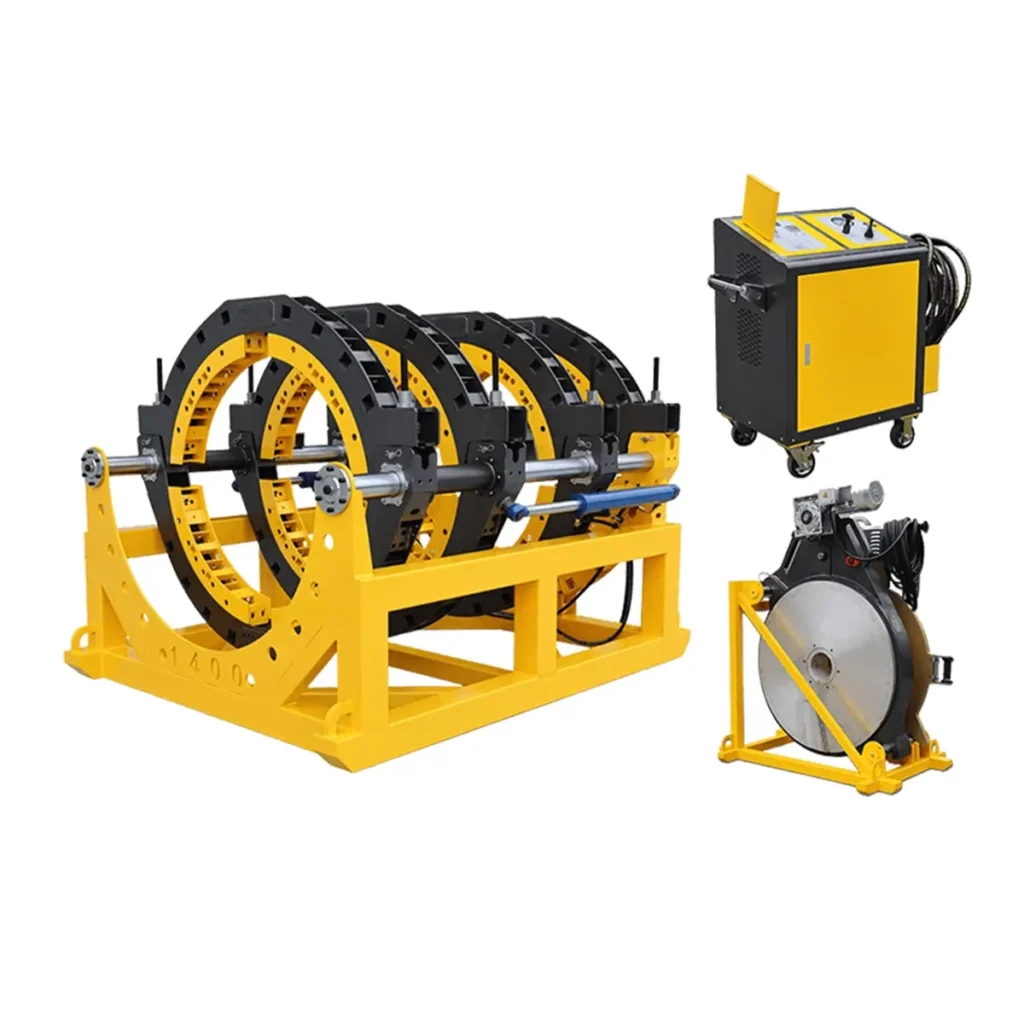
Choosing and inspecting pipe welding equipment requires more than price comparison — it demands a clear understanding of certification standards, operator qualifications, and test methods that ensure long-term pipeline integrity. This guide explains the key certification frameworks, what buyers should verify, and how inspectors can validate equipment and weld quality in the field.
Why Certification Matters for Pipe Welding Equipment
Certified equipment and documented procedures reduce failure risk, shorten approval times on major infrastructure projects, and protect contractors and owners from costly rework. Certifications link equipment performance, traceability, and operator competency to recognized international benchmarks so that welded joints meet pressure, environmental, and safety requirements.
Key International Standards to Know
Buyers and inspectors should be familiar with standards that apply to machines, processes, and personnel. The most referenced standards include:
ISO and EN Standards
ISO 21307 (butt fusion jointing procedures) and EN 12201 series (PE piping systems for water supply) are commonly cited for HDPE pipeline projects in Europe and internationally. These documents define acceptable fusion parameters, qualification tests, and inspection methods for polyethylene piping systems.
ASTM Standards
ASTM F2620 (standard practice for heat fusion joining of polyethylene pipe and fittings) is widely used in North America and by international projects that reference ASTM methods. It guides fusion procedure development and process control for butt fusion welding.
Calibration, Testing & Personnel
Look for laboratory accreditation to ISO/IEC 17025 for test labs and consider NDT personnel qualifications in line with ISO 9712 or recognized national schemes. Many projects also require documented operator qualification records per the relevant national or project-specific codes.
Certification Types Buyers Should Verify
Before purchase, confirm the following certificate categories to ensure compliance and minimize procurement risk:
Manufacturer Quality and Product Compliance
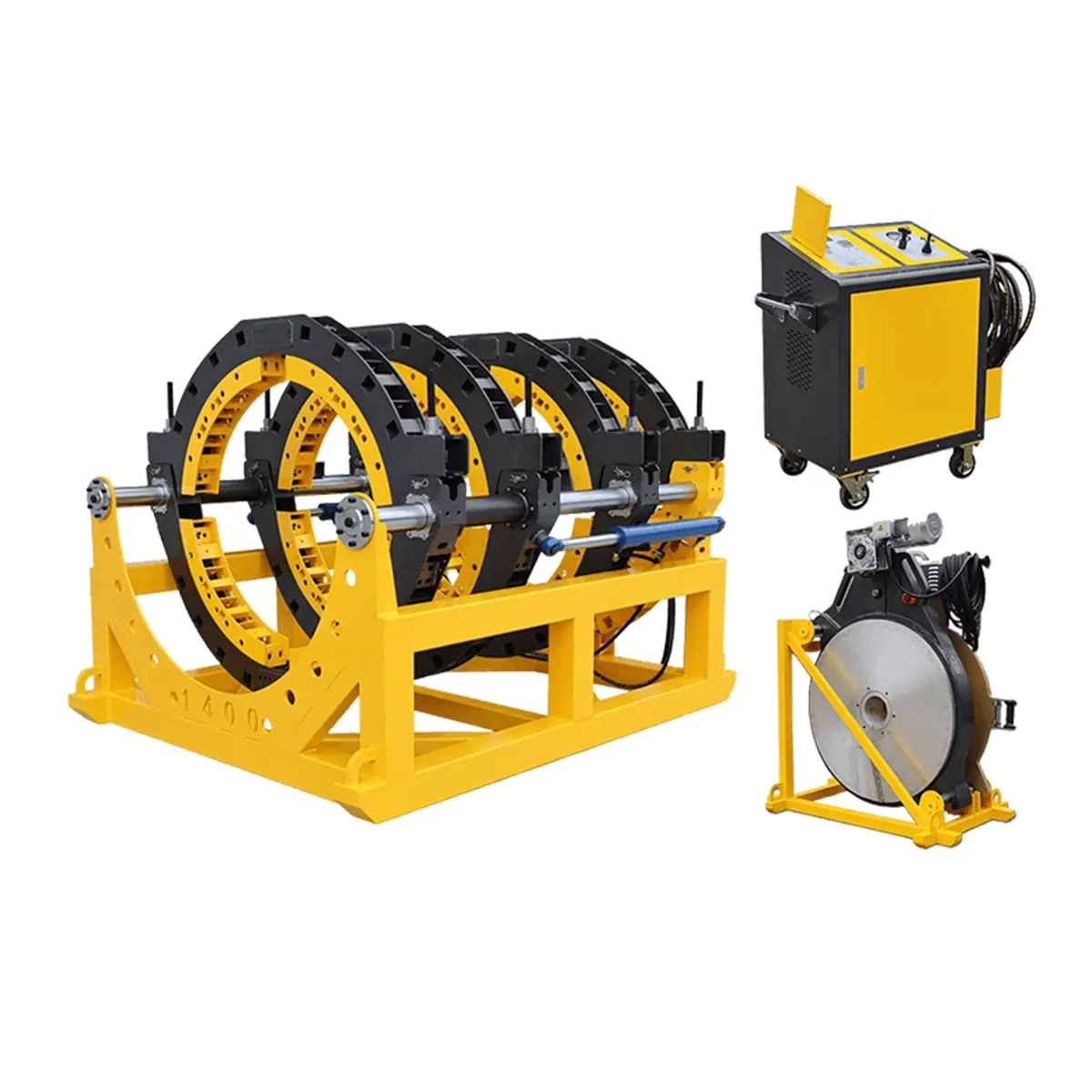
Check for a manufacturer quality management certificate such as ISO 9001, CE marking where applicable (EU machinery directives), and product datasheets that list applicable fusion ranges, hydraulic ratings, and traceable serial numbers.
Equipment-Specific Certificates
These include calibration records for pressure and temperature sensors, factory test reports, and conformity statements that reference the relevant fusion standards (e.g., ASTM or ISO references).
Operator & Procedure Qualifications
Request documented Welding Procedure Specifications (WPS), Procedure Qualification Records (PQRs), and operator certificates showing the fusion technique, pipe materials, diameters, and SDRs covered.
Quick Reference: Common Certification Purposes
| Certificate / Record | Why It Matters | Where to Check |
|---|---|---|
| ISO 9001 | Quality management at the manufacturer | Supplier certificate, website |
| ASTM F2620 / ISO 21307 | Fusion procedure guidance and acceptance | Procedure docs / technical manual |
| Calibration records | Sensor accuracy and traceability | Calibration certificate, serial tag |
| Operator certificates | Qualified personnel executing welds | Training body records, operator card |
Procurement Checklist for Buyers
When evaluating vendors, use this checklist to confirm compliance upfront:
- Written statement of applicable standards and a copy of relevant certificates.
- Calibration certificates for sensors and hydraulic components dated within the project acceptance period.
- Machine traceability: serial number, manufacturing batch, and material certificates for frames or critical components.
- Sample WPS/PQR or fusion logs demonstrating the machine can hold required parameters.
- Availability of spare parts, local service partners, and documented maintenance schedules.
- Operator training options and suggested qualification routes for your region or project.
Inspection Checklist for Field Inspectors
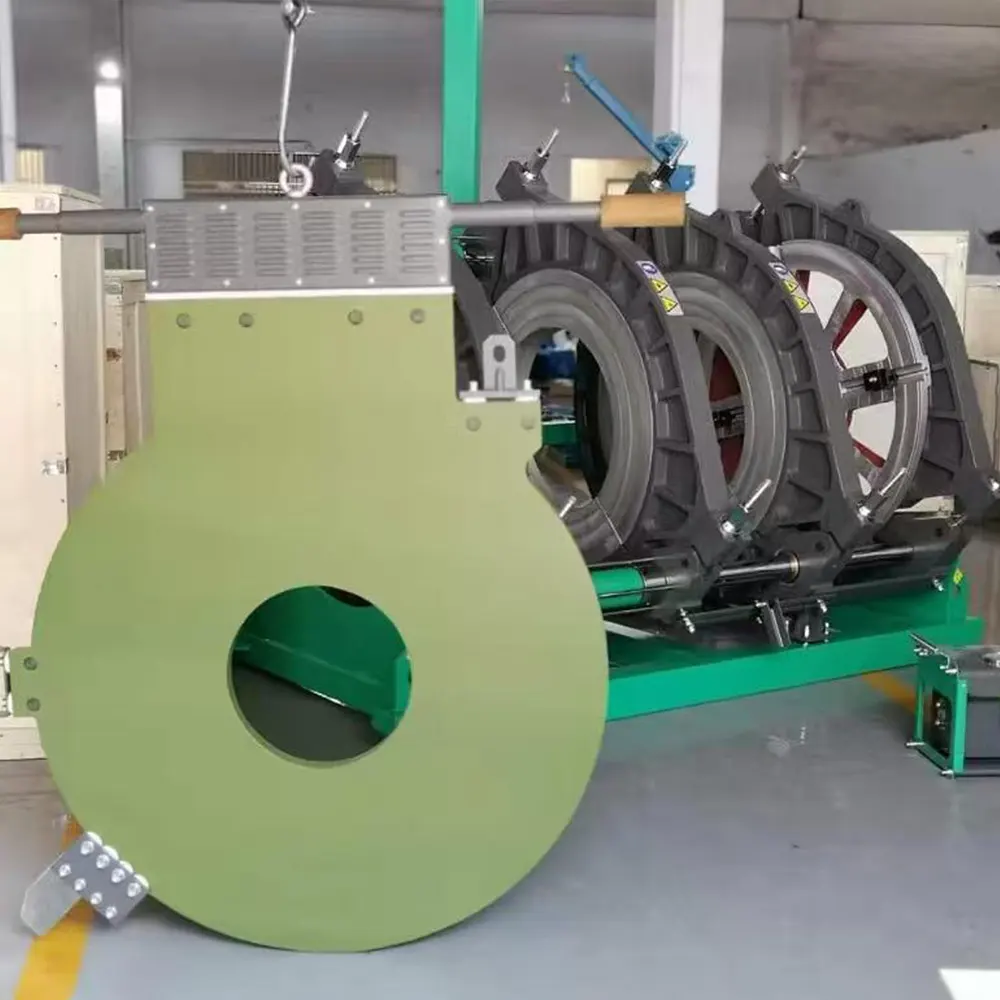
Inspectors should prioritize equipment condition, documentation, and real-time process control:
- Verify equipment serial number and factory test report against delivery paperwork.
- Confirm on-site calibration stickers and last calibration dates for thermocouples, pressure gauges, and timers.
- Review WPS and ensure the operator follows documented heating, soak, and fusion pressures.
- Spot-check fusion logs and temperature/time curves (digital printers or electronic logs) for each joint.
- Perform destructive sampling or NDT checks where contractually required (e.g., tensile tests, peel tests, or visual/macroscopic inspection).
Typical Field Tests
Common validation methods include visual inspection, dimensional checks, hydrostatic testing of the pipeline, and sample destructive testing to validate joint strength. Non-destructive options like ultrasonic or radiographic testing are rare for thermoplastics but NDT visual and hardness checks can still be useful.
Maintenance, Recalibration & Record Keeping
Long-term compliance depends on an auditable maintenance program. Keep a log of routine calibration, preventive maintenance, firmware updates, and operator refresher training. Retention of fusion logs and calibration certificates simplifies audits and warranty claims.
Common Pitfalls and How to Avoid Them
Buyers and inspectors often encounter the same avoidable issues:
- Assuming “brand reputation” equals certified compliance — always request documentation.
- Overlooking sensor calibration intervals — establish contractually required recalibration cycles.
- Skipping operator qualification checks — certified machines do not replace qualified personnel.
- Poor traceability for critical parts — insist on serial numbers and material certificates.
Manufacturer Snapshot
For buyers seeking reliable butt fusion equipment and documented compliance options, JQ-Fusion provides a broad range of manual, hydraulic, and automatic machines with traceable test reports and calibration support to meet pipeline project requirements.
Final Tips for Buyers and Inspectors
Integrate certification checks into procurement and inspection workflows. Require supplier-supplied WPS examples, ensure calibration and operator qualifications are current, and maintain a simple audit folder with machine serials, calibration records, and fusion logs for every major project. These steps will reduce downtime, increase warranty protection, and improve pipeline safety over the life of the installation.



