
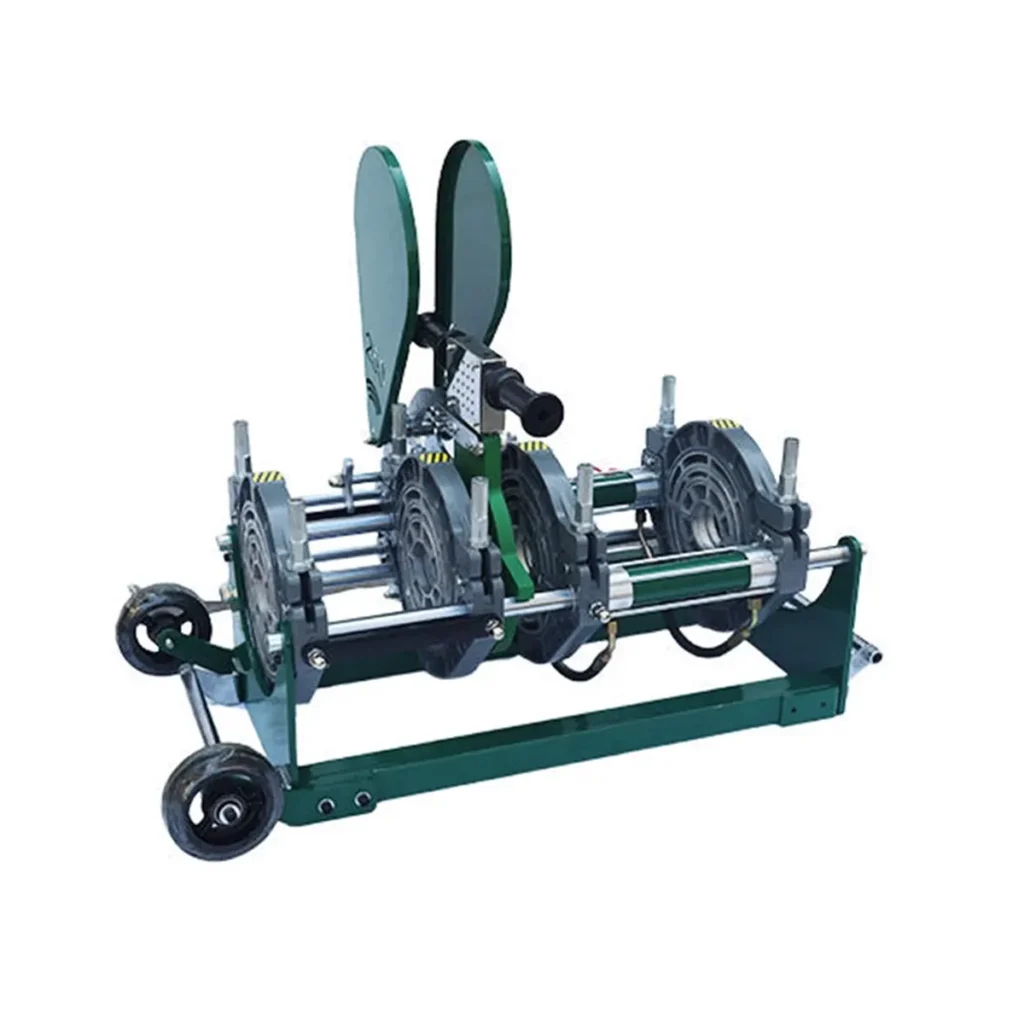
Norway’s infrastructure projects demand durable, weather-resistant solutions — from municipal water networks in Bergen to long rural gas mains in Troms. HDPE welding machines designed for Scandinavian conditions deliver reliable, leak-free joints and efficient installation workflows for contractors, utilities, and civil engineers across the country.
Why HDPE Welders Matter for Norwegian Projects
HDPE piping has become the standard for potable water, drainage, gas distribution, and industrial piping because of its corrosion resistance and long service life. For Norwegian projects, that resilience is especially important due to low temperatures, coastal corrosion, and terrain challenges. Choosing the right HDPE welding equipment ensures consistent fusion quality, short installation times, and strong, pressure-rated joints that meet European standards.
Common Types of HDPE Welding Machines
Different job sites and pipe diameters call for different welding systems. Understand the basic types to match equipment with Norway’s unique project demands.
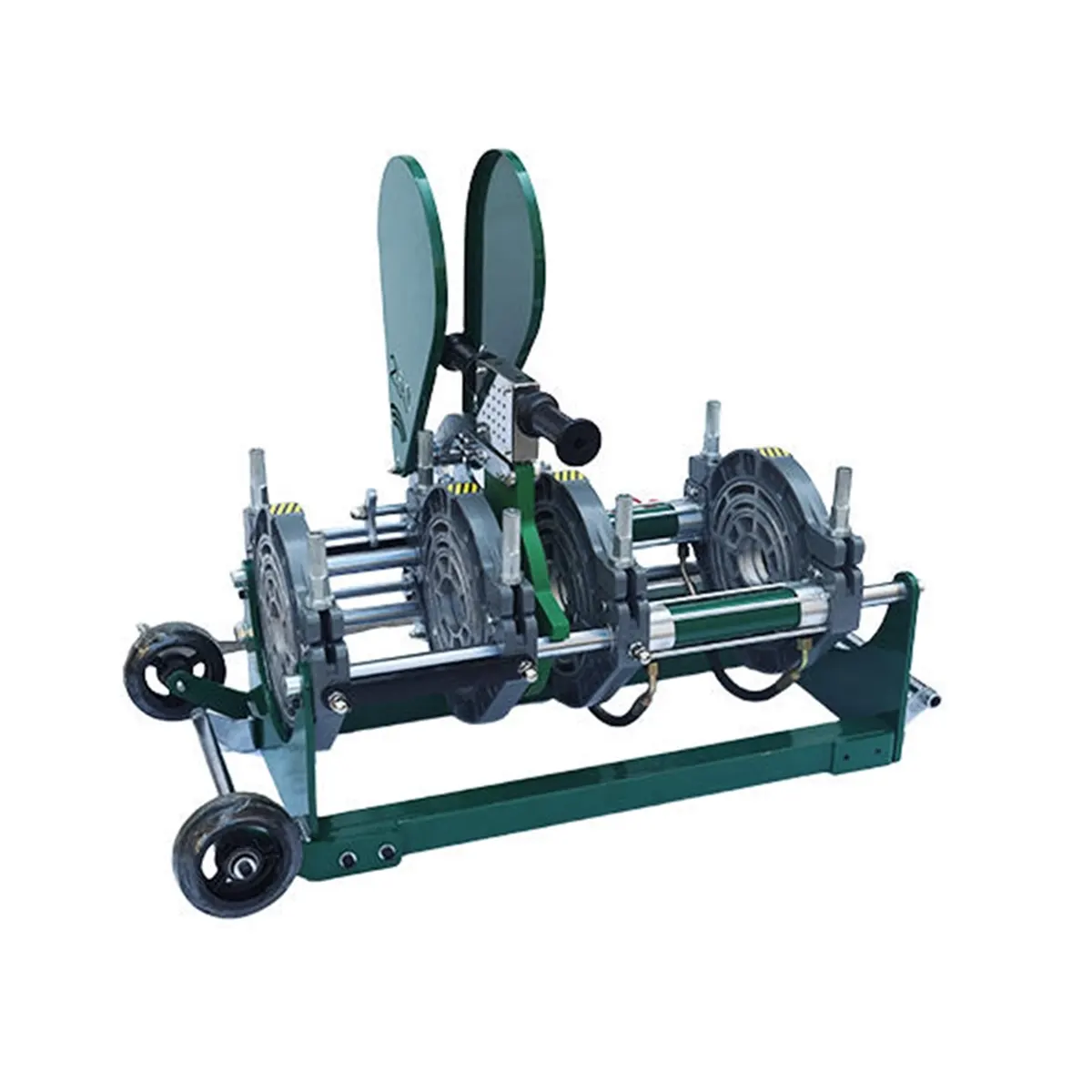
Manual Butt Fusion
Simple, robust, and highly portable — ideal for small-diameter repairs, rural water lines, and remote sites where mobility matters. Operators can quickly weld pipes on-site with minimal support gear.
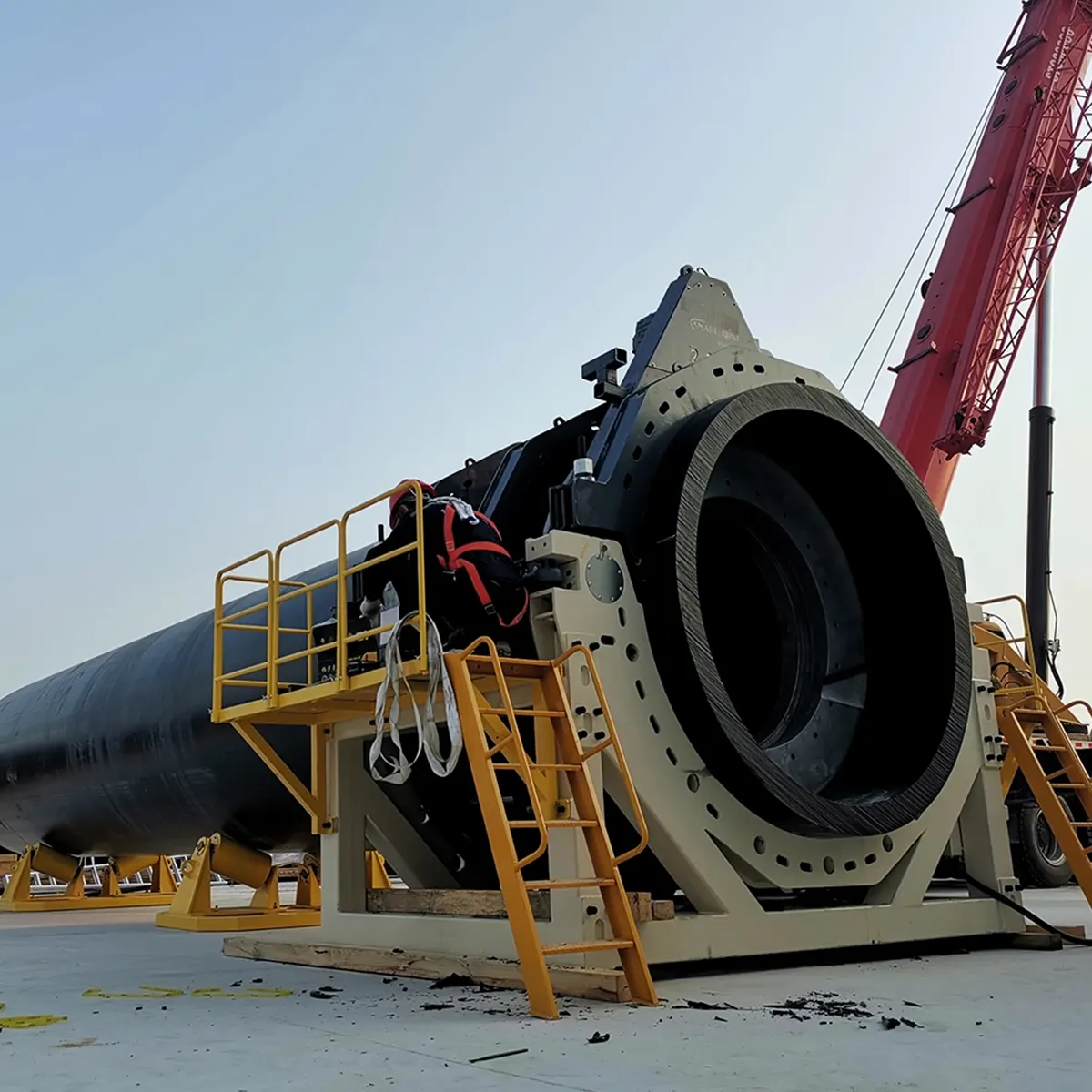
Hydraulic Butt Fusion
Hydraulic systems provide controlled pressure and higher capacity for medium to large diameter pipes. They are suited to municipal contractors and large pipeline crews working in fjord-side or exposed climates.
Automatic/CNC Butt Fusion
For high-volume or precision-critical installations, CNC automatic welders deliver repeatable cycles and detailed welding logs. These machines are recommended for major utility upgrades and industrial installations.
Electrofusion
Electrofusion tools are used for fittings and couplers, especially in gas distribution networks and small-diameter connections. They are widely used by utility crews and certified installers across Norwegian municipalities.
Key Features to Prioritize for Norway
When selecting a machine for Norway, consider:
- Cold-weather performance: reliable heating elements and insulation for sub-zero work.
- Mobility and setup time: lightweight frames for remote access and quick site turnaround.
- Precision controls: digital controllers or CNC units that log parameters for quality assurance.
- Durability: corrosion-resistant frames and sealed electronics for coastal and offshore-adjacent work.
- Compliance: compatibility with EN/ISO pipe standards commonly required by European projects.
Model Comparison at a Glance
| Model | Pipe Range (mm) | Type | Best For |
|---|---|---|---|
| Compact Manual | 20–160 | Manual | Rural repairs, small crews |
| Hydraulic Series | 160–1000 | Hydraulic | Municipal mains, medium pipelines |
| Automatic/CNC Range | 63–1200+ | Automatic | Large projects, high-volume works |
| Electrofusion Tools | 20–450 (fittings) | Electrofusion | Gas distribution, fittings |
Applications Across Norway
HDPE welding machines are widely used by:
- Municipalities for drinking water and stormwater systems.
- Regional gas network contractors for secure, leak-free joints.
- Industrial sites and mines for chemical-resistant piping.
- Coastal and nearshore installations where corrosion resistance is critical.
Training, Support and After-Sales
Skilled operators and proper welding records are crucial in Norway’s regulated environment. Look for suppliers that offer operator training, technical documentation, and responsive spare-parts support. Machines with digital logging help demonstrate weld quality to local inspectors and certifying bodies.
Local Considerations
Norwegian projects often require crews to work in variable weather and remote locations. Portability, rugged transport cases, and easy field maintenance reduce downtime and speed up project schedules.
Contact & Sourcing
For a full range of HDPE welding solutions tailored to European and Nordic requirements, explore options from JQ-Fusion: https://jq-fusionwelding.com/ — manufacturers offering manual, hydraulic, and automatic butt fusion machines suitable for Norway’s infrastructure projects.
Next steps for buyers
Assess your typical pipe diameters, crew size, and climate exposure. Request technical datasheets and sample welding logs from suppliers, arrange a demo if possible, and ensure operator training is included before purchase.



