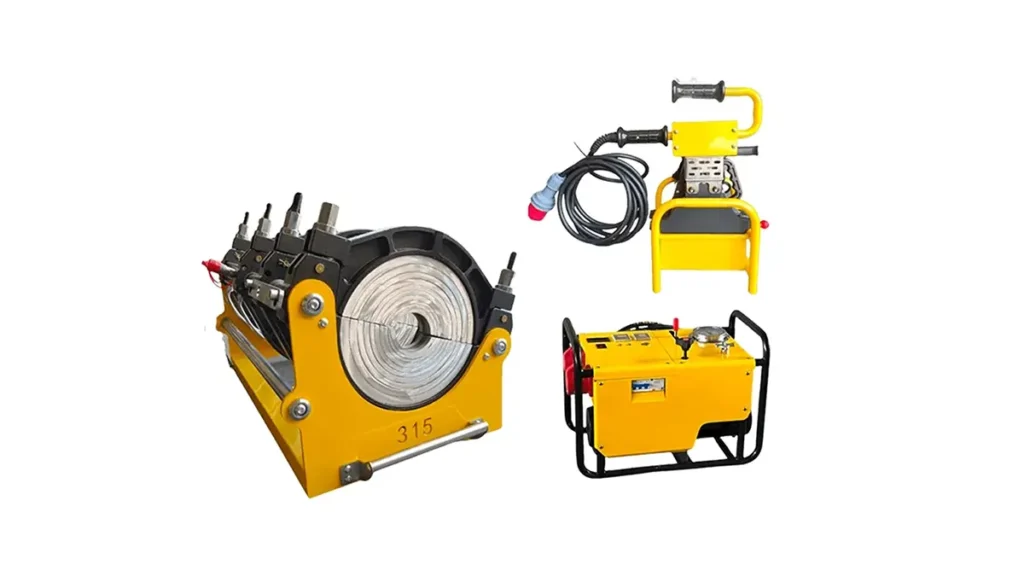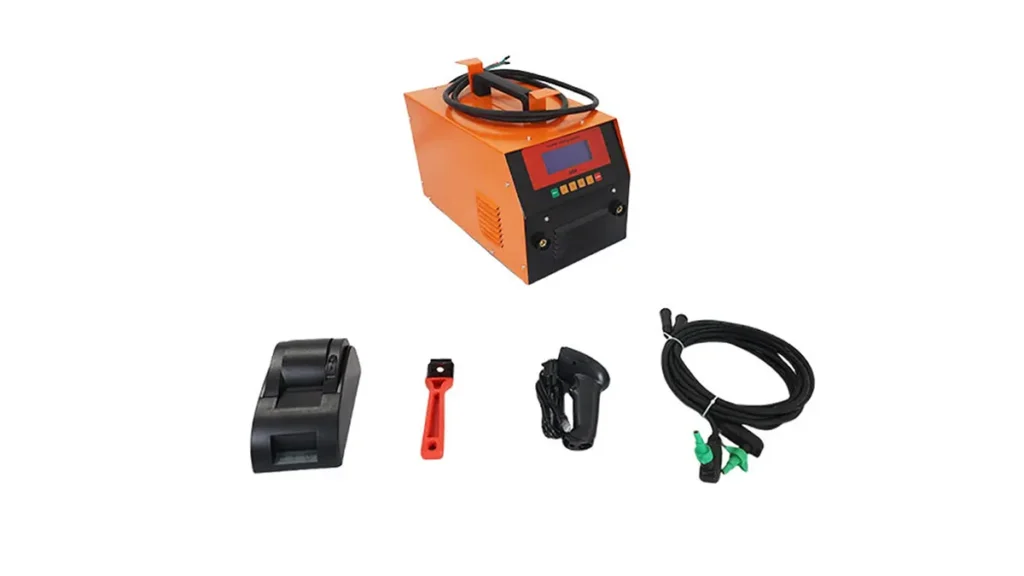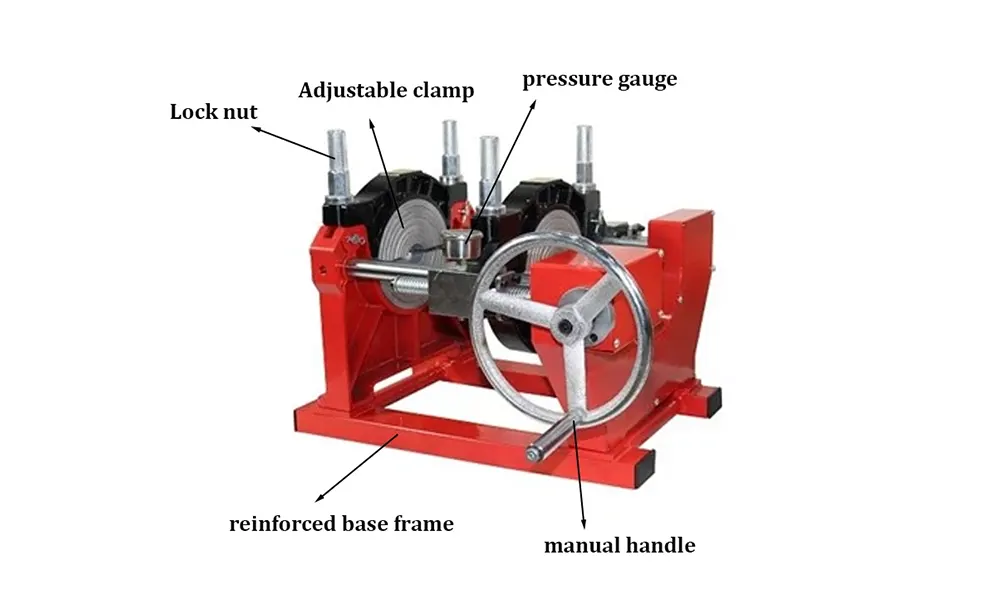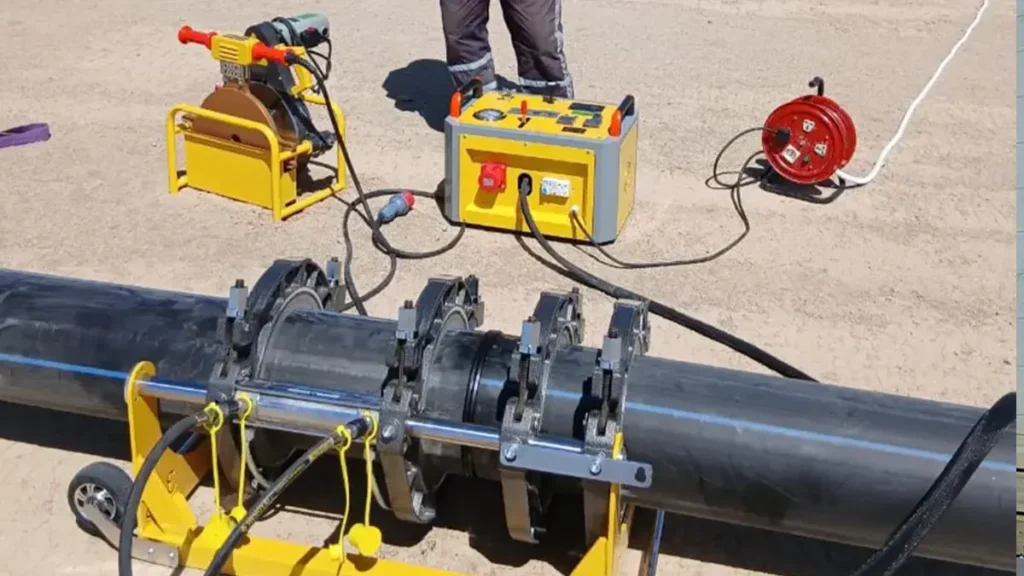
HDPE hot melt welding machines are essential for joining polyethylene pipes reliably in water supply, gas distribution, mining and industrial pipelines. This guide covers the most common issues encountered with HDPE hot melt (butt fusion) welding equipment and practical troubleshooting steps to restore consistent weld quality and uptime.
How HDPE Hot Melt (Butt Fusion) Welding Works
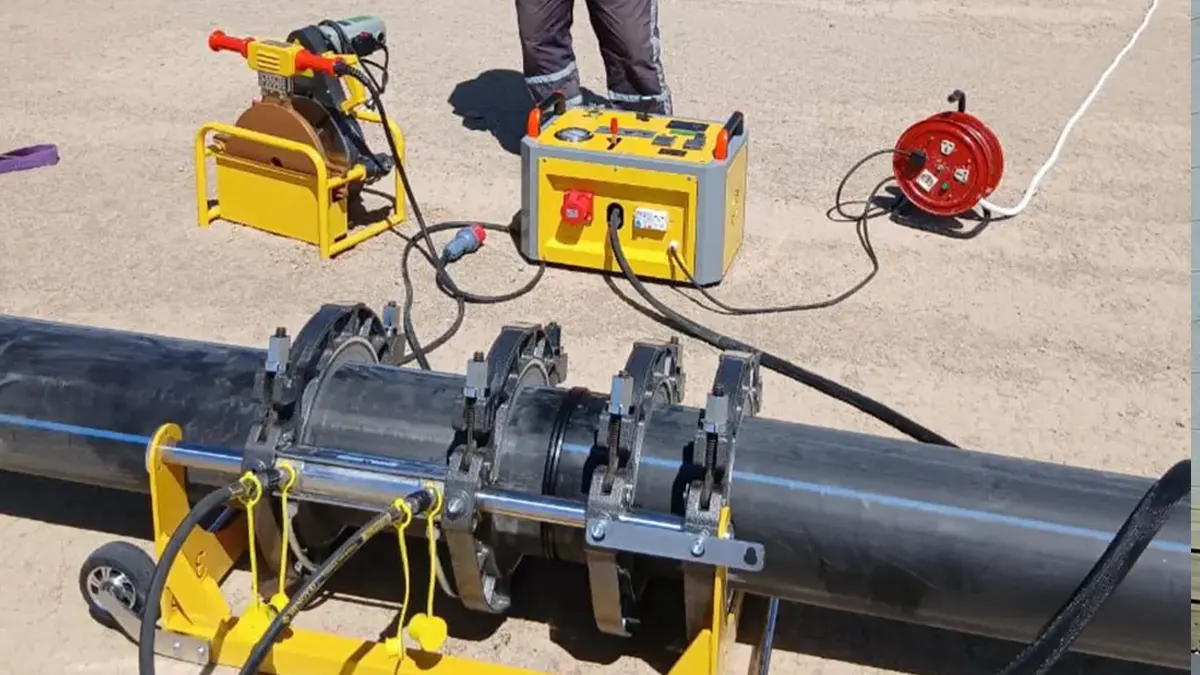
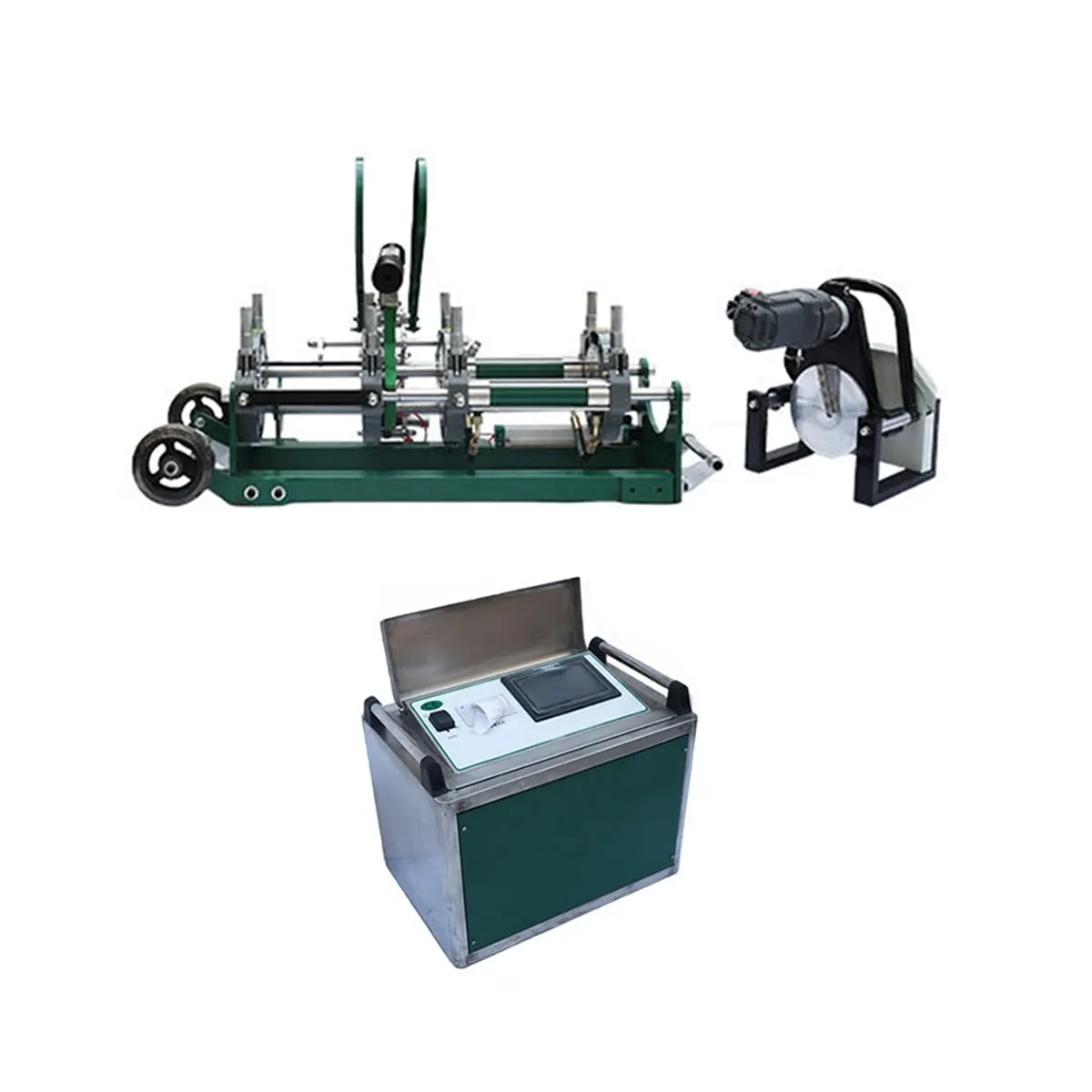
Butt fusion joins two pipe ends by heating their faces with a hot plate and pressing them together under controlled pressure and time. Proper alignment, temperature control, surface preparation and pressure profiles are critical to a sound joint.
Top 10 Common Problems and Fast Troubleshooting
1. Incomplete Fusion / Cold Welds
Symptoms: Poor joint strength, visible weld lines, separation under pressure.
Likely Causes: Insufficient heating time/temperature, dirty heating plate, low fusion pressure, rapid cooling.
Fix: Verify heater setpoint matches pipe SDR and material spec. Clean the hot plate with recommended solvent and replace the Teflon guarding if damaged. Increase heating time or temperature per manufacturer charts and ensure clamps hold proper pressure during fusion and cooling.
2. Excessive Flash or Uneven Bead
Symptoms: Large or irregular flash, misaligned pipe surfaces.
Cause can be too high pressure, uneven alignment, or overheating. Lower fusion pressure slightly, check pipe clamping and track alignment, and confirm heating temperature matches the HDPE grade.
3. Heater Plate Won’t Reach Temperature
Check mains power, cable connections, and the plate thermostat/thermocouple. If the controller shows a fault or the plate is slow to heat, inspect element continuity and replace the heating cartridge or thermocouple as needed.
4. Motor or Hydraulic Drive Failure
Symptoms: No movement during alignment or fusion, erratic pressure control.
Inspect electrical supply fuses, motor wiring, and the hydraulic fluid level/condition. Look for leaks, clogged filters, or worn seals. For hydraulic machines, replace contaminated oil and service pumps/valves per schedule.
5. Poor Pipe Alignment / Offset Joints
Improper clamping, worn clamp faces or damaged frames cause offset joints. Realign clamps, replace worn inserts, and verify the track/frame is straight. Small misalignments can be corrected with shims or adjustable jaws.
6. Thermocouple Drift or Inaccurate Temperature Readings
Replace the thermocouple if readings are inconsistent. Calibrate the controller periodically. Avoid bending thermocouples sharply; secure them away from direct mechanical abrasion.
7. Control Unit Errors or Software Hangs
Soft resets often clear temporary faults. Check for firmware updates from your machine supplier and back up welding logs regularly. If errors persist, consult the manufacturer diagnostic codes before replacing electronics.
8. Excessive Cooling Time / Cracking During Cooling
Cooling too quickly or removing pressure early causes weld defects. Follow recommended cooling profiles, keep pressure constant until the joint reaches safe handling temperature, and shield welds from wind or cold drafts.
Quick Troubleshooting Table
| Symptom | Probable Cause | Immediate Action |
|---|---|---|
| Cold weld / weak joint | Low temp/time, dirty plate | Clean plate, increase temp/time |
| Heater not heating | Power / element fault | Verify power, test element/thermocouple |
| Hydraulic slip or no pressure | Low oil / leak | Inspect fluid, seals, filters |
| Misaligned joint | Worn clamp faces / frame | Replace inserts, realign frame |
Preventive Maintenance Best Practices
- Daily: Clean heater plate, check alignment, inspect clamp inserts and track for debris.
- Weekly: Verify thermocouple calibration, test electrical connections, and top up hydraulic fluid if needed.
- Monthly: Replace worn clamp inserts, change hydraulic filters, and run a controlled weld to validate settings.
Safety and Quality Tips
Always wear PPE when operating fusion machines. Use manufacturer-recommended welding parameters and maintain a clear environmental area to avoid drafts during heating and cooling. Record weld parameters and results for traceability and quality assurance.
When to Contact Service
If troubleshooting steps fail to resolve heater element faults, hydraulic pump failures, or persistent control unit errors, contact the equipment manufacturer or authorized service partner. Keep serial/model information and recent weld logs ready to speed diagnostics.
Need Replacement Parts or Advice?
For spare parts, calibration services, or OEM support, reach out to JQ-Fusion via their website: https://jq-fusionwelding.com/