
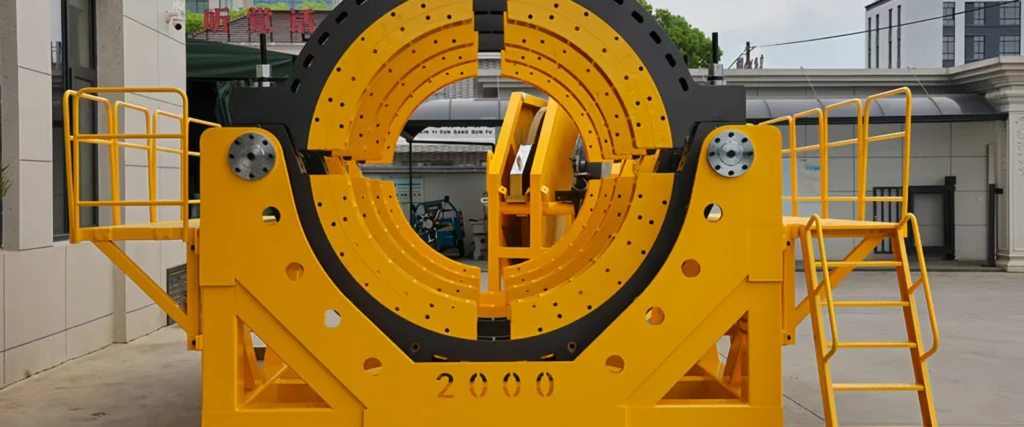
PE gas pipe welding machines are essential for safe, leak-free gas distribution systems. Proper installation and welding procedures reduce construction risks, ensure long-term pipeline integrity, and protect crews and communities. This guide covers practical prevention measures for site preparation, equipment setup, welding quality control, and post-weld inspection tailored for contractors and supervisors working with butt fusion and electrofusion systems.
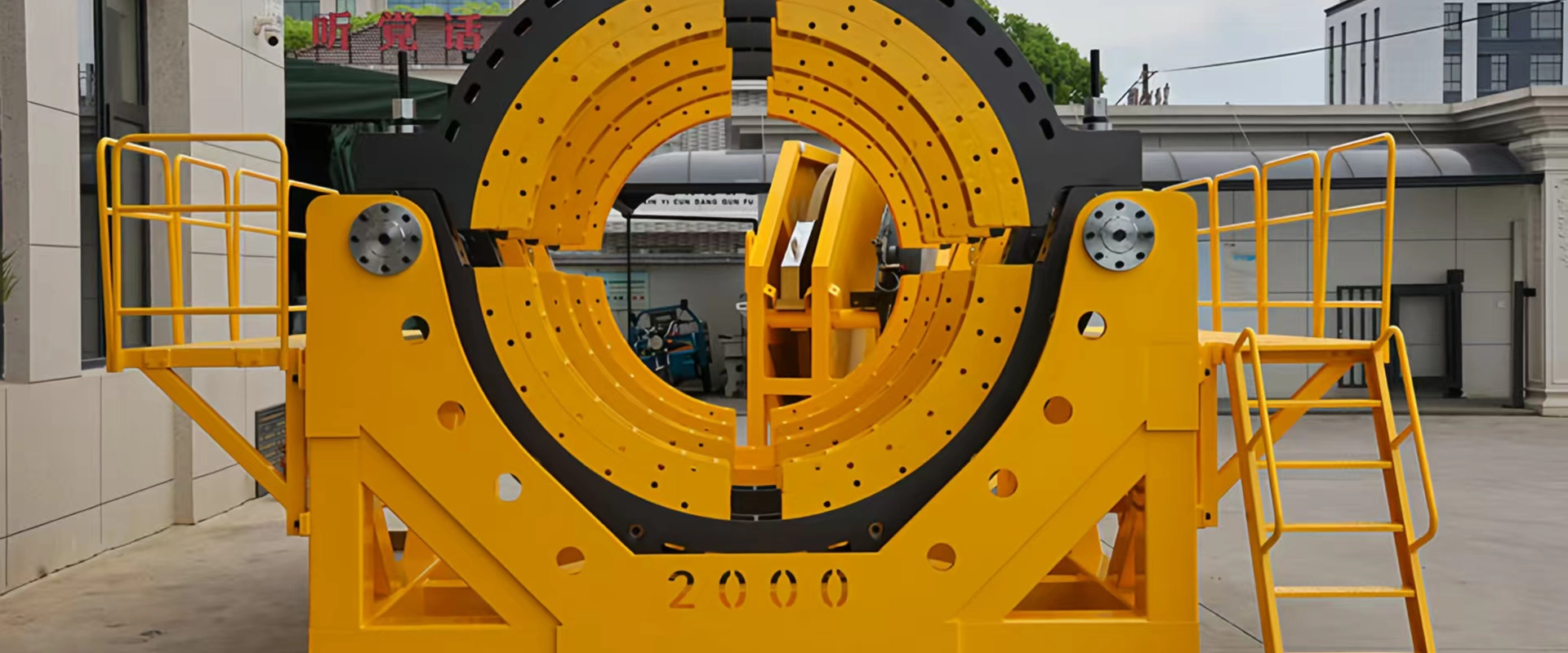
Pre-Installation: Site Safety & Risk Assessment
Conduct a formal risk assessment before any welding work. Identify nearby utilities, gas-sensitive areas, confined spaces, and trench stability. Assign a safety officer and ensure emergency response plans are accessible.
-
Permit to work: Secure excavation and hot work permits for each shift.
-
Atmosphere testing: Use gas monitors near trenches and joints when working in gas corridor areas.
-
Traffic & public safety: Implement barriers, signage, and flagging for open trenches or heavy equipment work.
Ground & Trench Preparation
Ensure stable bedding and adequate drainage. Avoid standing water around welding zones; moisture causes contamination and increases slip/fall risk. Provide safe access and egress to trenches with ladders or ramps.
Equipment Setup: Safe Machine Installation
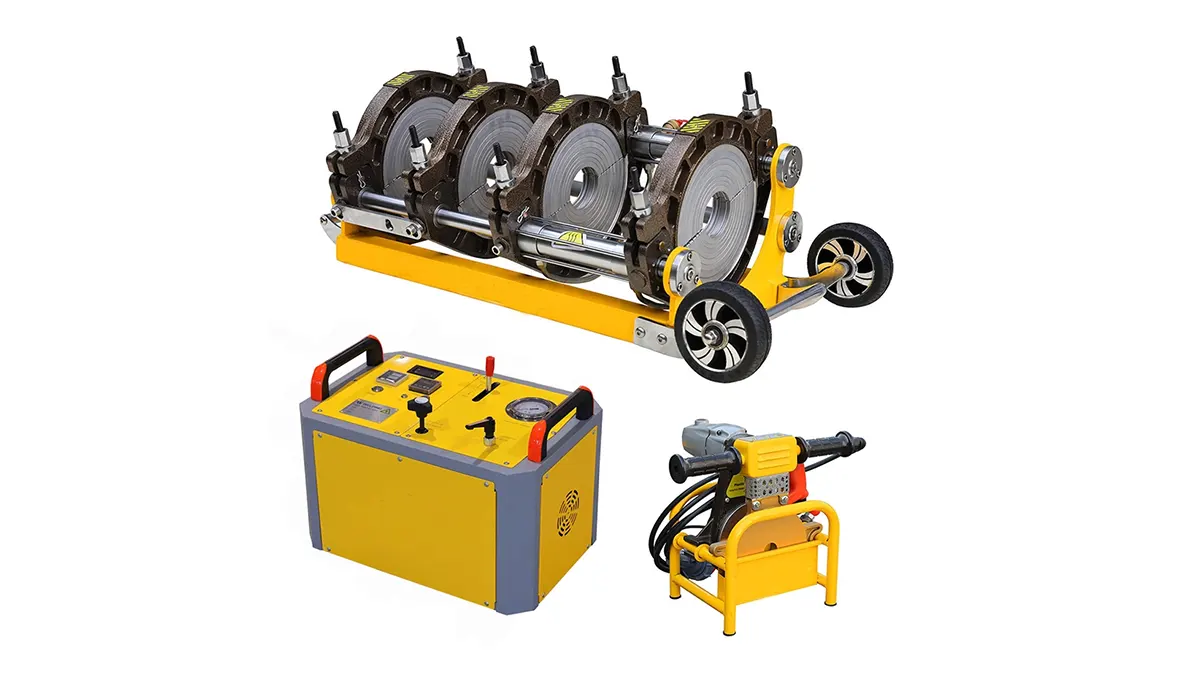
Follow manufacturer instructions for machine anchoring, leveling, and hydraulic/electric connections. Check all clamps, heating plates, and control panels before starting.
-
Electrical safety: Verify RCD protection and use correct-rated cables. Keep electrical components dry and elevated.
-
Hydraulic systems: Inspect hoses for wear and leaks. Relieve pressure before disconnecting.
-
Tool storage: Keep trimming and alignment tools organized to prevent trip hazards.
Operator Competence
Only qualified personnel trained in butt fusion or electrofusion procedures should operate welding equipment. Maintain certificates on site and run refresher training for new crew members.
Welding Procedure Controls & Quality Assurance
Accurate weld parameters and clean fusion surfaces are critical. Use a calibrated welding machine and record each weld in a fusion log.
-
Material prep: Clean pipe ends and remove contaminants. Use correct facing/trimming tools for square, parallel ends.
-
Temperature & pressure: Follow recommended heating times and fusion pressures for PE grade and pipe diameter.
-
Alignment: Ensure concentric clamping; misalignment causes weak fusion zones and potential leaks.
Weld Records & Traceability
Keep a digital or paper record of machine settings, ambient temperature, operator name, and joint ID. These records help diagnose future failures and meet regulatory compliance.
Risk Matrix: Common Hazards & Prevention
| Hazard | Risk | Prevention |
|---|---|---|
| Contamination of weld surfaces | Poor joint quality, leaks | Clean, dry surfaces; use proper facing tools |
| Improper machine settings | Cold or over-pressed welds | Calibrate machines; verify settings every shift |
| Electric/hydraulic faults | Injury, equipment downtime | Pre-use inspection; isolate power for maintenance |
Environmental & Community Protection
When working near residential areas or sensitive infrastructure, reduce noise and dust. Communicate work schedules to stakeholders and post emergency contact details on site. Implement spill containment for lubricants and fuels.
Testing & Post-Weld Inspection
Conduct non-destructive tests (visual, peel tests where applicable) and pressure testing per project specifications. Mark and tag inspected joints and store test certificates with weld logs.
Emergency Preparedness
Have first-aid, fire extinguishers, and trained responders on site. For gas-related incidents, evacuate the area and notify the gas utility and emergency services immediately.
Practical Checklist Before Leaving Site
-
All fusion logs and pressure tests uploaded or filed
-
Tools secured and hazardous materials removed
-
Trenches secured and public access controlled
For reliable butt fusion and electrofusion equipment to support safe gas pipe construction, consider trusted manufacturers. JQ-Fusion provides a range of machines and technical documentation to help teams meet quality and safety standards: https://jq-fusionwelding.com/



