
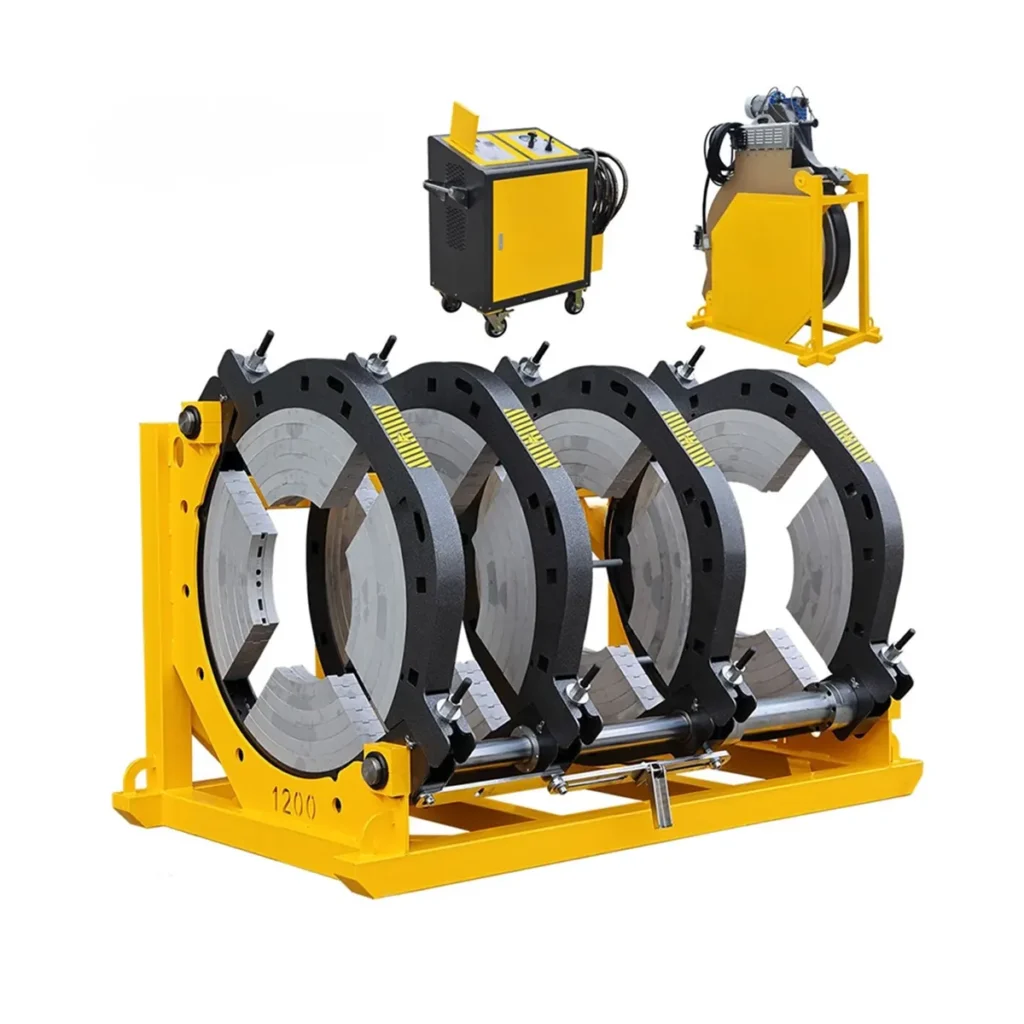
Germany’s infrastructure projects demand precision, reliability, and compliance. For engineers, contractors, and utility operators seeking durable equipment for HDPE pipe welding, hydraulic butt fusion machines are essential tools that combine power and consistency for on-site and factory applications.
Why Hydraulic Butt Fusion Machines Matter in Germany
Hydraulic butt fusion offers uniform, reproducible joints for water distribution, gas networks, district heating, and industrial systems. In Germany — where strict standards such as EN, ISO and national DVGW requirements are common — choosing a machine that delivers accurate pressure control and repeatable heating cycles helps contractors meet regulatory and project quality demands.
Key Benefits for German Projects
Consistent joint quality, faster cycle times on large-diameter pipes, and robust hydraulic systems that perform in cold or wet conditions are especially valuable for public utilities and civil works across Germany’s varied climates. Municipal water departments and energy companies rely on machines that minimize downtime and support traceable welding records.
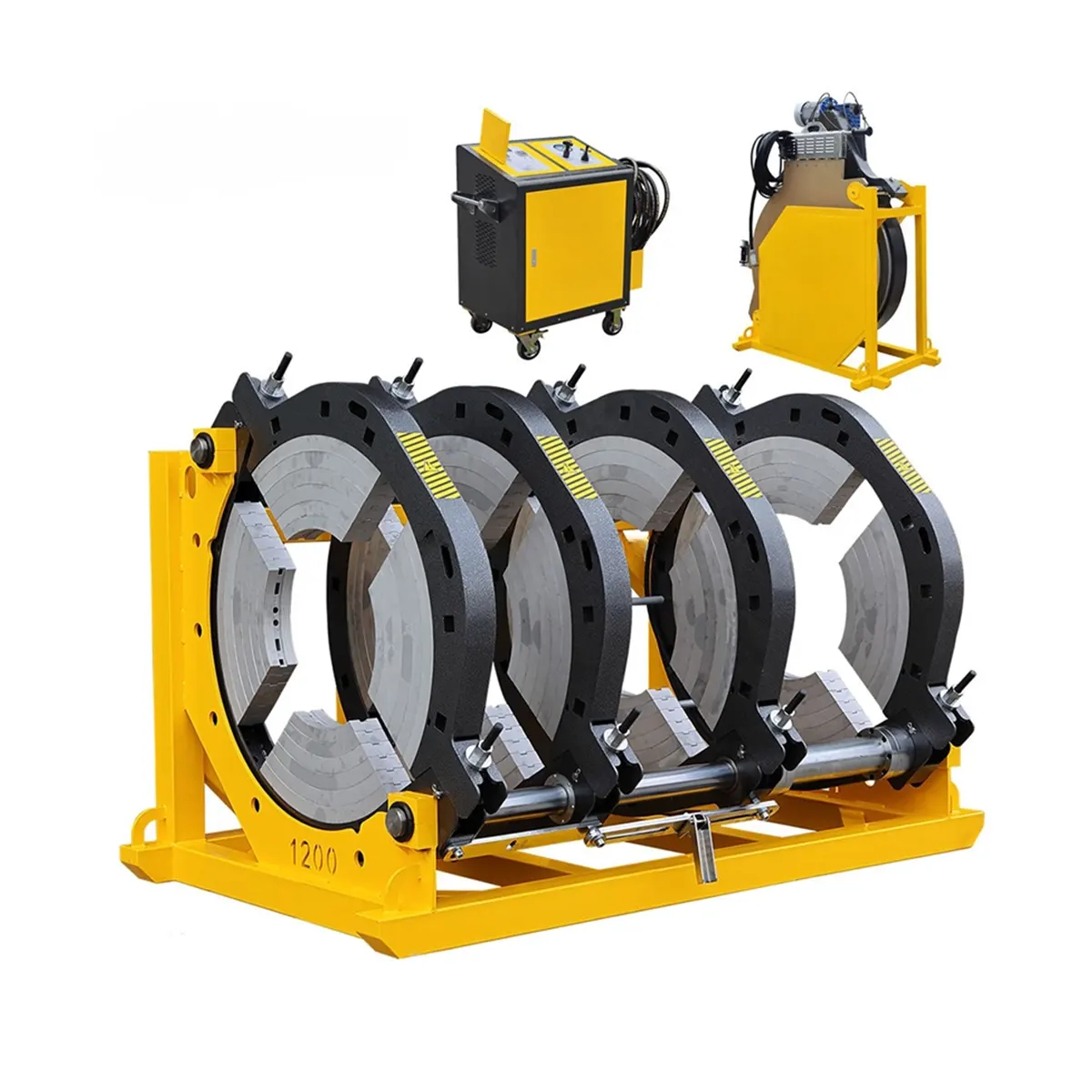
Technology Features to Look For
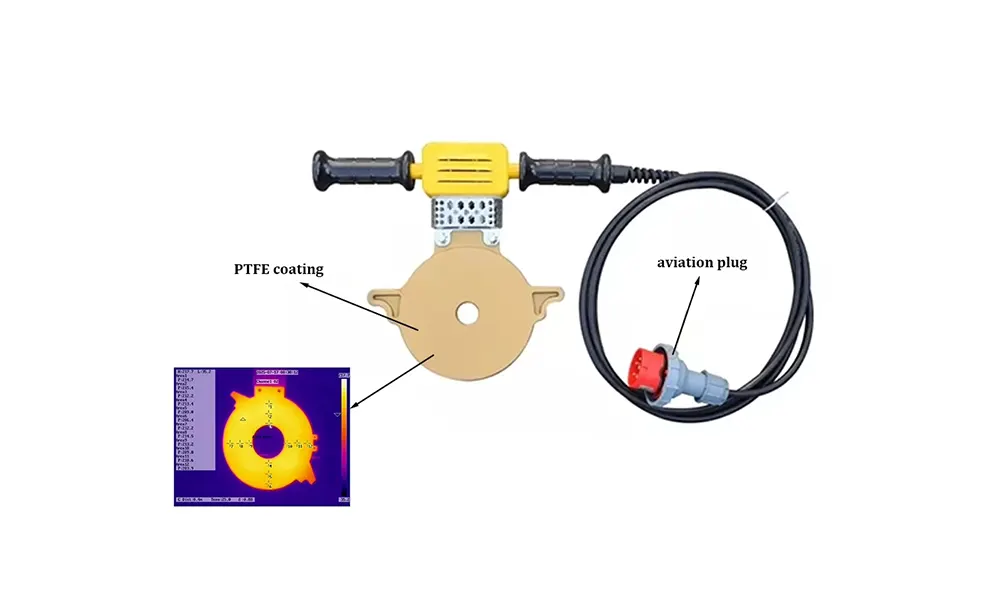
When specifying equipment for German sites, focus on accurate hydraulic pressure gauges, reliable heating plates with uniform temperature distribution, settable fusion parameters, and durable clamp systems that secure the pipe without deformation. Portability, modular clamp frames, and easy maintenance support tight project timelines.
Compliance and Documentation
Documentation for each weld (pressure curves, temperature logs, operator notes) is increasingly required. Machines with digital control units and exportable weld reports simplify acceptance by engineering supervisors and third-party inspectors in Germany and the EU.
Sample Product Overview
The following table highlights representative hydraulic butt fusion categories and typical specifications to compare when selecting equipment for municipal, industrial, or pipeline contractors.
| Model / Type | Pipe Range (mm) | Core Feature |
|---|---|---|
| Compact Hydraulic Units | 63 – 315 | Lightweight, easy transport, ideal for urban repairs |
| Medium-Duty Hydraulic Machines | 315 – 800 | Stronger hydraulic clamping, precise pressure control |
| Large-Diameter Stations | 800 – 2250+ | High-capacity cylinders, on-site industrial pipeline welding |
Operational Tips for German Sites
Plan for weather protection when working outdoors, maintain calibration of pressure sensors, and ensure operators are trained on local acceptance criteria. For gas distribution work, confirm DVGW-approved procedures and keep weld records accessible for regulatory review.
Service & Support Considerations
Quick spare parts supply, local technical service partners, and remote troubleshooting reduce project delays. For international suppliers, confirm lead times, CE marking, and compatibility with German site power and safety requirements.
Choosing a Reliable Manufacturer
Look for a supplier with proven HDPE welding experience, a record of supplying projects similar to your scope, and clear after-sales support channels. One such manufacturer is JQ-Fusion, which produces a range of manual, hydraulic, and CNC automatic butt fusion machines tailored for global infrastructure needs.
Next Steps for Buyers in Germany
Start with specifying pipe diameters, anticipated daily weld count, and site conditions. Request technical datasheets, weld report examples, and references from similar German or EU projects. Prioritize machines that provide consistent weld records and meet local regulatory expectations.



