
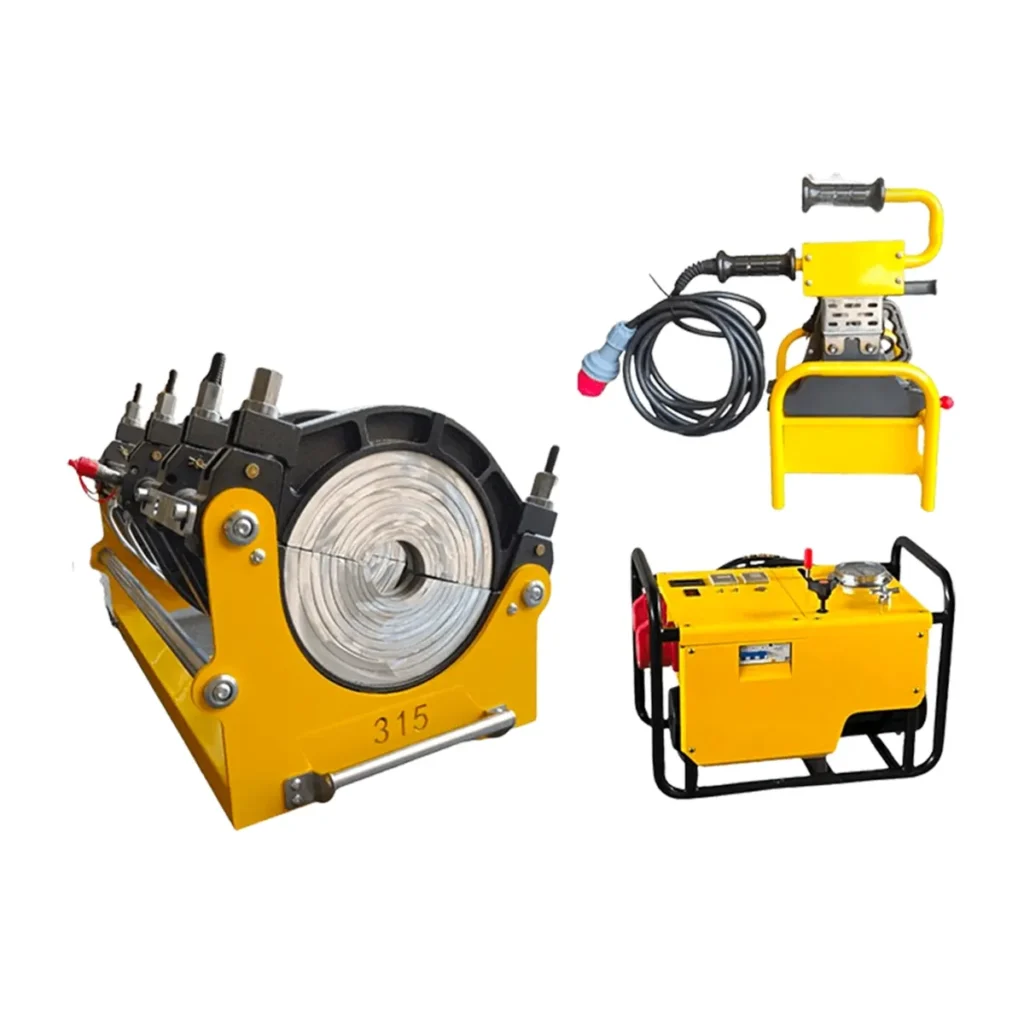
Choosing the right butt fusion welder supplier in Lithuania is a critical decision for contractors, utility operators, and pipeline fabricators working on water, gas, and industrial projects. With growing investments in pipeline replacement, EU-funded infrastructure upgrades, and the region’s cold climate considerations, selecting a supplier who understands local standards and logistics can save time and reduce long-term costs.
What to Look for in a Butt Fusion Welder Supplier
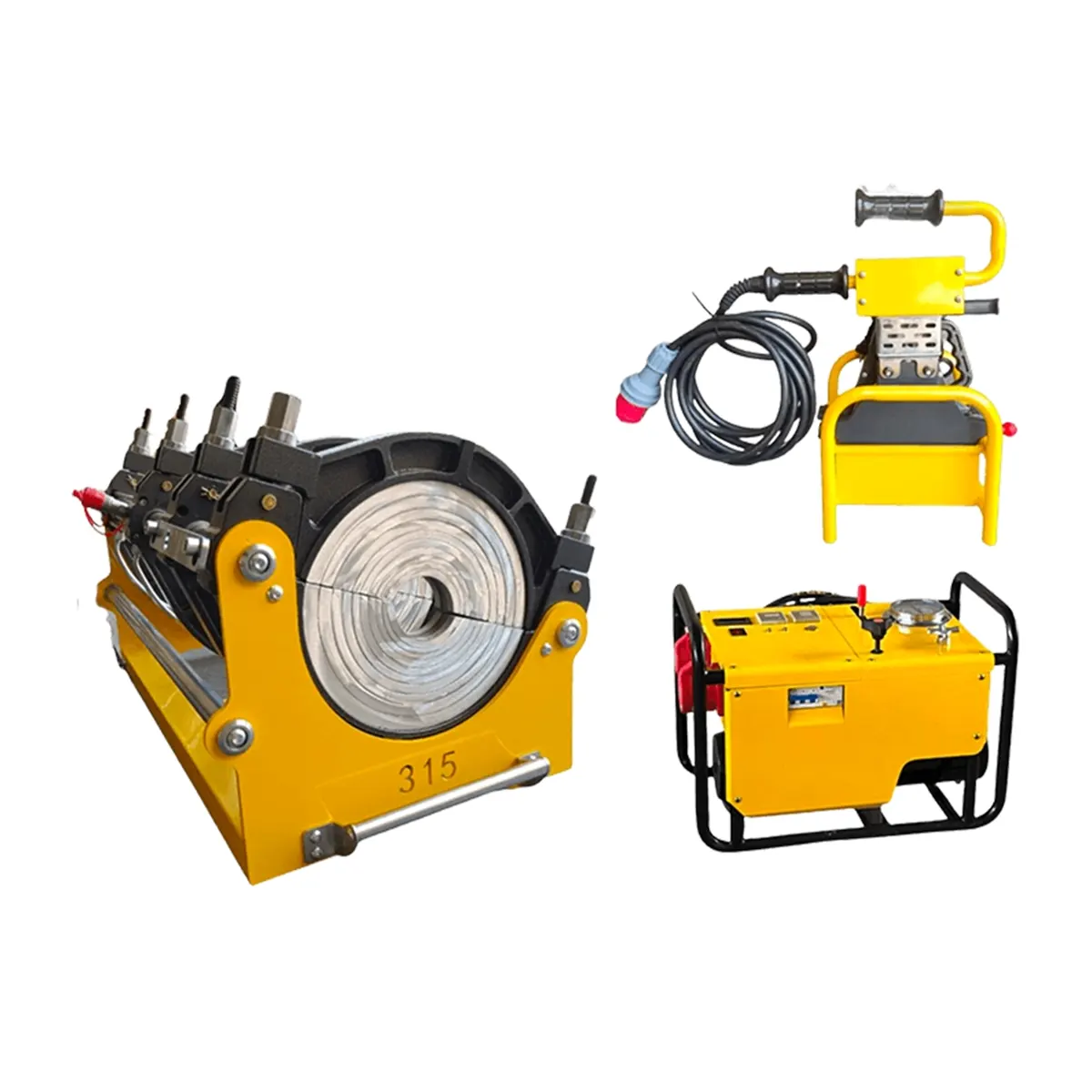
Range of machines and compatibility: Verify the supplier offers machines that cover your pipe diameters (from small distribution lines up to large-diameter HDPE mains). Check support for manual, hydraulic, and CNC automatic butt fusion welding machines to match different project scales.
Certifications & standards
Ensure machines and quality control meet EU regulations and industry standards (e.g., CE marking, ISO-related manufacturing controls). For Lithuanian projects, compliance with local utility specs and pipeline welding codes is essential.
After-sales service & spare parts
Local response time matters. A supplier with fast spare parts access, technical support, and training options reduces downtime—particularly important in Lithuania’s variable weather where winter repairs can delay schedules.
Warranty, training & documentation
Request clear warranty terms, operator training packages, and welding procedure documentation (WPS) and Data Logs for quality assurance on public works and utility tenders.
Track record & references
Ask for references from similar projects in the Baltic region or northern Europe. A supplier experienced in water distribution, gas networks, or industrial piping in cold climates will better anticipate common onsite challenges.
Quick Comparison Table: Supplier Checklist
| What to Check | Why It Matters |
|---|---|
| Machine range & compatibility | Covers all pipe sizes used on your projects, reducing need for rentals. |
| Certifications (CE, ISO) | Ensures compliance with EU tender requirements and safety standards. |
| Local spare parts & service | Minimizes project delays—important for seasonal work windows in Lithuania. |
| Training & technical documentation | Improves weld quality and traceability for regulatory inspections. |
Practical Vetting Steps for Lithuanian Buyers
Request machine demos and test welds: Ask for video proof or arrange an onsite demonstration. Test weld records and thermographic or tensile test results prove real-world performance.
Check logistics & lead times
Consider shipping to Port of Klaipėda or direct inland delivery. Confirm lead times and customs documentation for smooth import—especially for large hydraulic or automatic machines.
Language & local support
Confirm that operation manuals, electrical diagrams, and training are available in English—or Lithuanian if your team prefers. Local-language technical support speeds troubleshooting.
Lithuania-specific Considerations
Because of cold winters and seasonal project windows, prioritize suppliers who can provide quick-start assistance, winter-ready equipment options, and reliable on-site training. EU-funded or municipal tenders in Lithuania may require detailed welding logs and certified equipment—factor these into procurement decisions.
Budget vs. lifecycle cost
Low purchase price can be offset by long-term costs for repairs, calibration, and parts. Choose machines with proven durability and readily available consumables (heating plates, clamps, cutters).
Purchase Checklist Before Signing
– Confirm machine model, pipe range, and accessories included.
– Get clear warranty terms and spare parts lead times.
– Secure operator training and documentation.
– Obtain references and test-weld records.
– Verify shipping, installation support, and any local service agreements.
Manufacturer note
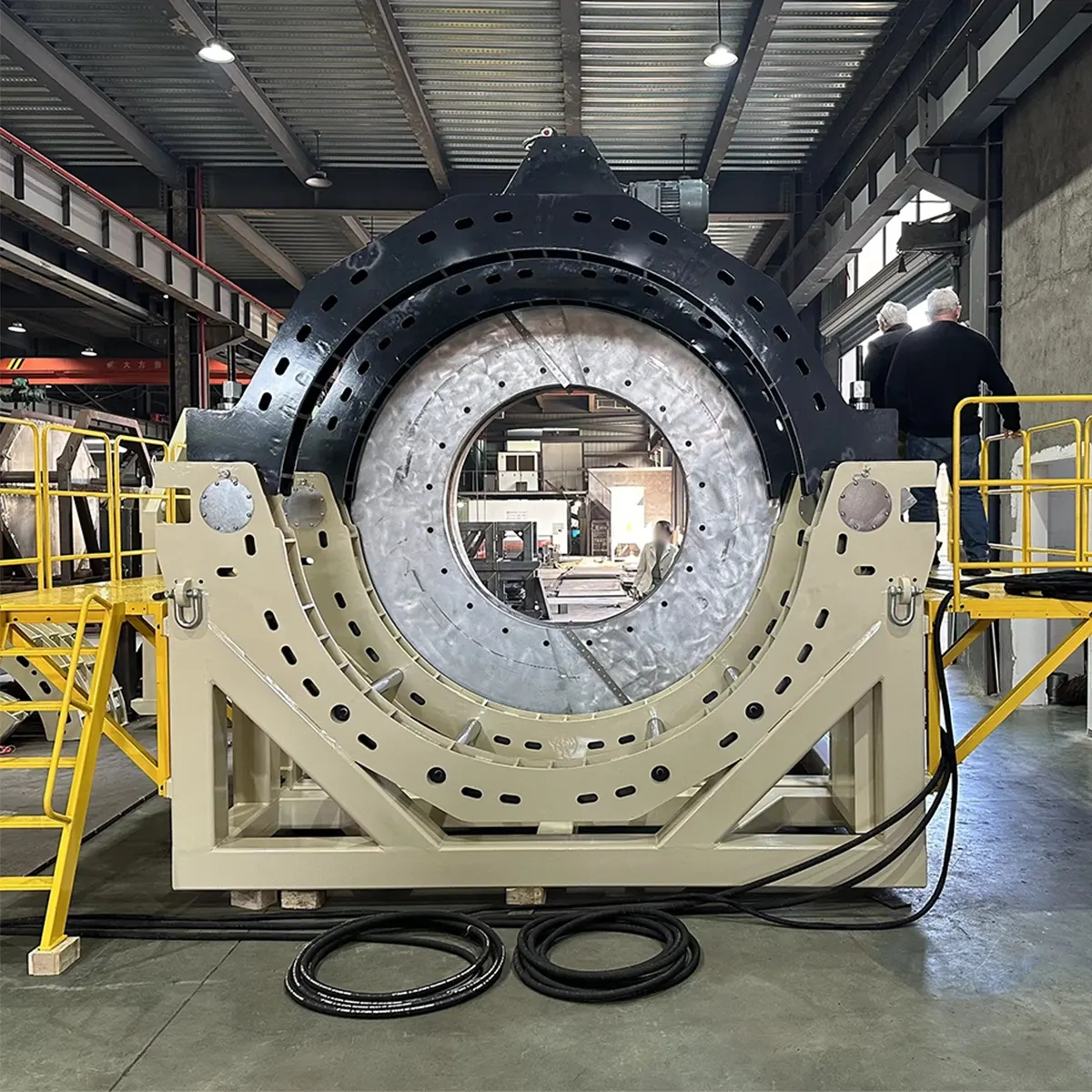
JQ-Fusion manufactures a wide range of HDPE pipe welding machines—manual, hydraulic, and CNC automatic models—suitable for water, gas, mining, and industrial pipeline systems, and can provide technical documentation and customization for project needs.
Final tip
Vet suppliers by mixing technical validation (test welds, specs, certifications) with practical checks (local support, logistics, training). For Lithuanian infrastructure projects, that balanced approach ensures reliable performance and compliance with EU and local requirements.



