
Oman’s rapid infrastructure growth and expanding oil & gas, water supply, and municipal networks demand reliable HDPE welding solutions. This article explains how modern butt fusion and electrofusion machines deliver durable, leak-free joints suited to Oman’s climate, regulations, and project timelines.
Why HDPE Welders Matter for Oman
HDPE pipes are widely used across Oman for potable water, desalination connections, irrigation projects, and natural gas distribution. Contractors and municipal teams need welding machines that produce consistent, high-strength joints under hot, dusty site conditions. Choosing the right HDPE welder reduces rework, avoids costly shutdowns, and ensures compliance with international jointing standards used in Gulf projects.
Adapted Solutions for Omani Conditions
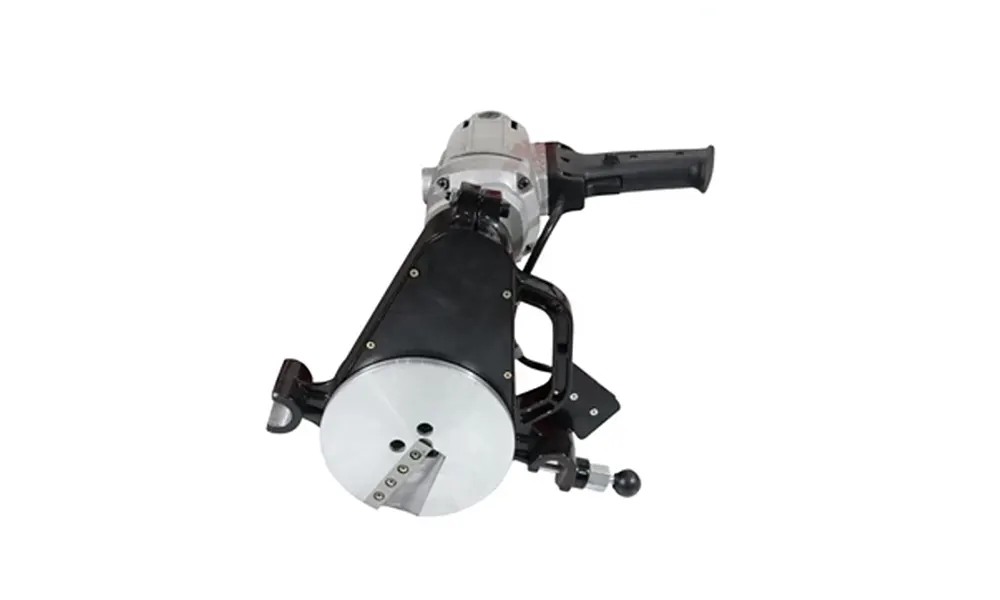
In Oman, high ambient temperatures and remote project sites require robust equipment with simple maintenance. Look for machines with corrosion-resistant frames, sealed hydraulic systems, and heating plates that maintain temperature stability in windy conditions. Mobile crews benefit from compact manual models for small-diameter repairs and hydraulic/CNC options for long production runs on large-diameter mains.
Product Range Overview
Popular categories include:
- Manual Butt Fusion Machines — cost-effective for smaller diameter pipes and repair works.
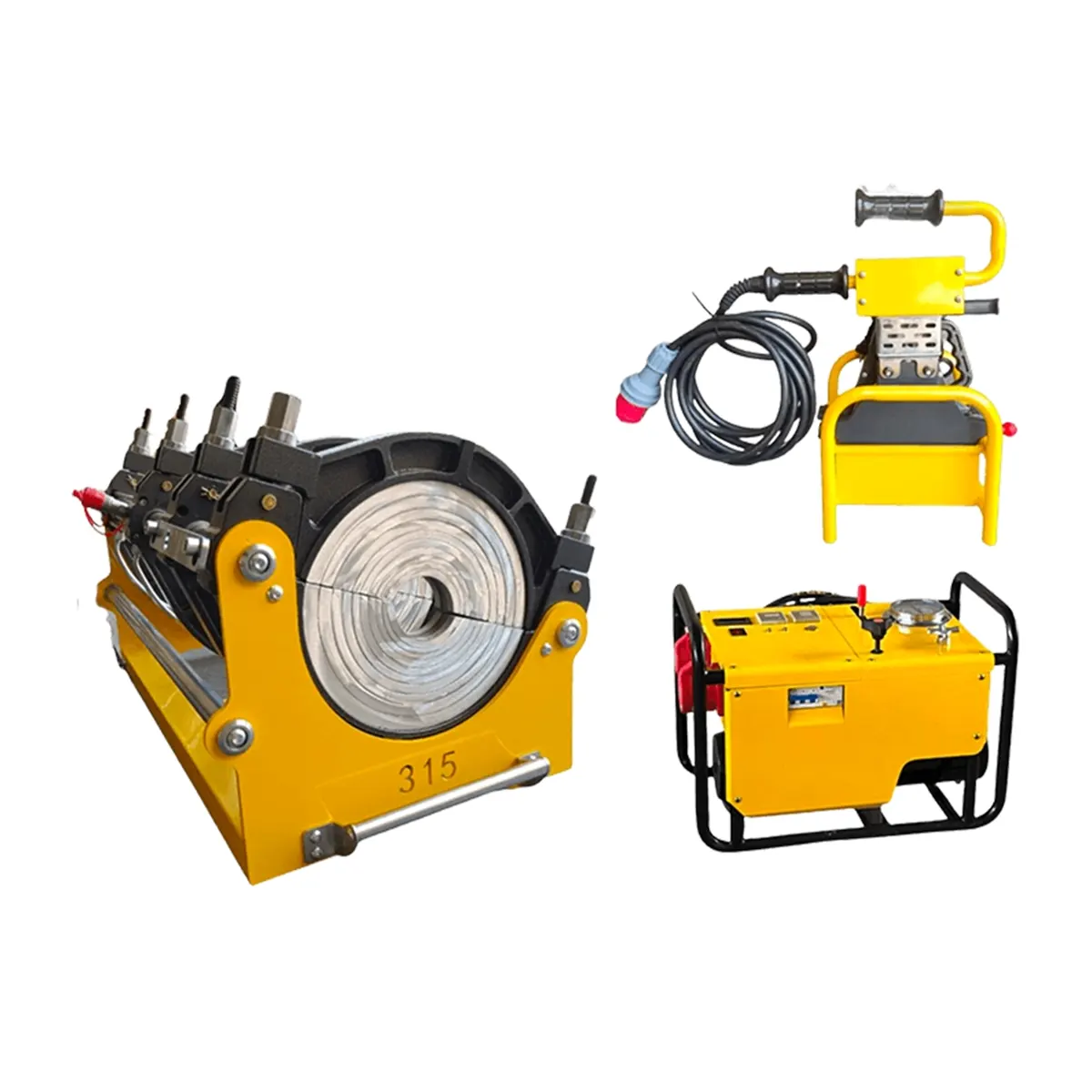
- Hydraulic Butt Fusion Machines — ideal for medium to large diameters with higher clamping force.
- Automatic / CNC Welders — deliver repeatable, digitally controlled welds for large-scale projects.
Key Technical Advantages
Reliable fusion quality — precision heating and controlled pressure cycles produce joints that meet ISO and ASTM requirements. Robust hydraulic systems and user-friendly controls reduce operator error. Many machines include traceable welding records for QA/QC documentation required on government and EPC projects across Oman.
Common Applications in Oman
HDPE welders are used in:
- Municipal water distribution and sewer systems
- Desalination plant piping and brine handling lines
- Onshore oil & gas flowlines and facilities
- Agricultural irrigation networks in rural governorates
Quick Comparison Table — Typical Machine Specs
| Machine Type | Pipe Range | Best For |
|---|---|---|
| Manual Butt Fusion | 16mm – 630mm | Site repairs, small projects |
| Hydraulic Butt Fusion | 160mm – 2000mm+ | Municipal mains, industrial pipelines |
| Automatic/CNC Welding | 63mm – 1600mm | High-volume production, QA traceability |
Selecting the Right Machine for Your Omani Project
Consider project scale, pipe diameters, field conditions, and available operator training. For desert and coastal environments, prioritize machines with sealed electronics and easy-to-service hydraulic components. For government or EPC contracts, ensure the machine supports weld data logging and exportable reports for inspection teams.
After-Sales Service & Training
Local training for welding crews accelerates project delivery and improves joint quality. Ensure the supplier can provide calibration, spare parts, and remote technical support. Portable machines should include basic toolkits and clear maintenance checklists to suit Oman’s field teams and contractors.
About the Manufacturer
JQ-Fusion offers a comprehensive portfolio of HDPE pipe welding machines — manual, hydraulic, and CNC automatic butt fusion systems — engineered for global infrastructure projects including water, gas, and industrial pipelines.
For Oman-based projects, choosing a proven HDPE welder helps deliver durable, leak-free piping systems that stand up to local environmental challenges while meeting regulatory and contractor expectations.



