
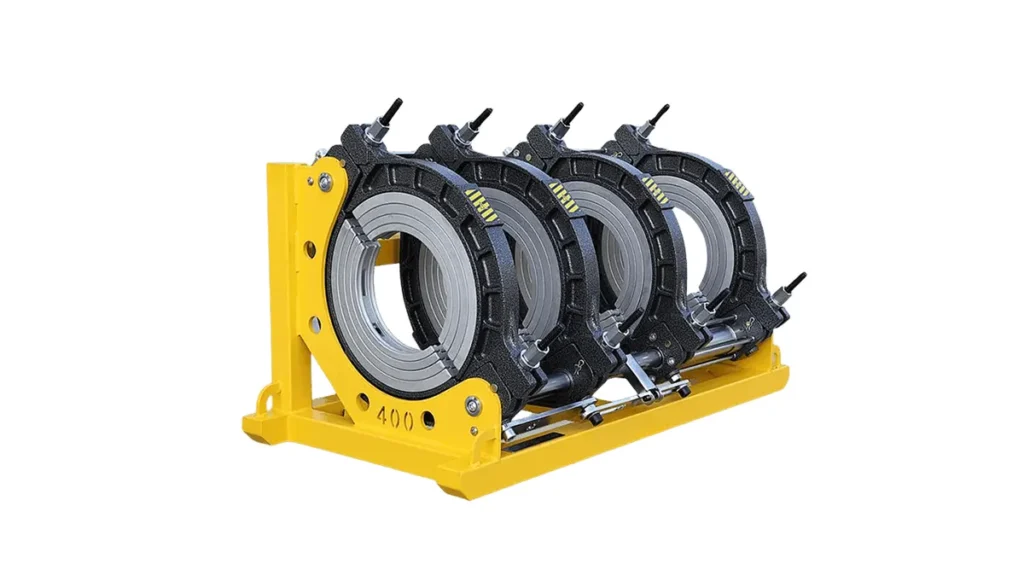
Belarusian infrastructure projects demand reliable, weather‑resilient solutions for joining HDPE and industrial pipes. From municipal water networks to rural irrigation, secure pipe fusion is a foundation for long‑term performance — especially in cold climates and regions with heavy seasonal loads.
Why Fusion Welding Machines Matter in Belarus
Butt fusion welding machines deliver leak‑free joints that are essential for Belarus’s aging utilities and expanding gas and water distribution networks. Local contractors and municipal engineers prioritize equipment that offers consistent weld strength, portability for remote sites, and tolerance to subzero conditions. Durability and repeatable quality are non‑negotiable when frost cycles and seasonal ground shifts are factors.
Common Applications Across Belarusian Industries
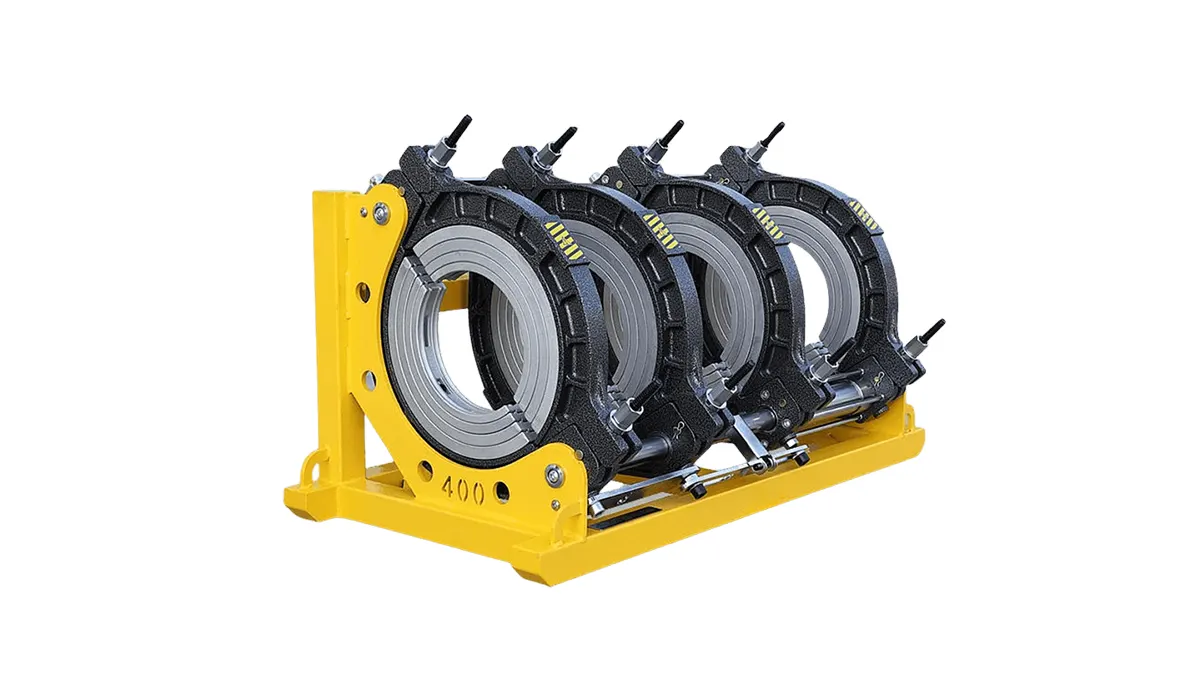
Belarusian use cases for butt fusion and electrofusion equipment include:
• Municipal water and wastewater pipelines in cities such as Minsk and Brest.
• Gas distribution upgrades in suburban and industrial zones.
• Agricultural irrigation systems and drainage in the fertile Polesie and central regions.
• Mining and industrial plants requiring corrosion‑resistant HDPE pipework.
Selecting the Right Machine Type
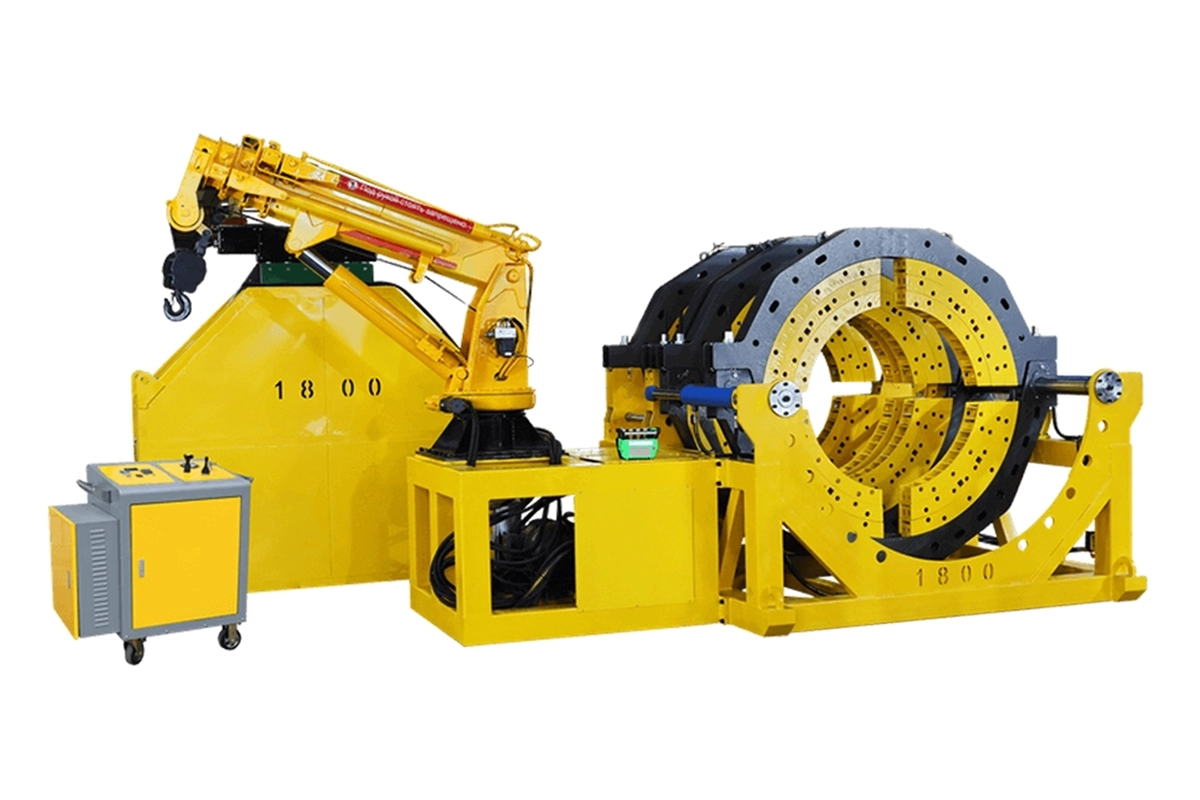
Local projects benefit from a mix of machine types: mobile manual units for small repairs and rural sites, hydraulic machines for medium to large diameter pipes, and CNC automatic systems for high‑volume prefabrication yards. Consider logistics and operator training availability when choosing equipment for Belarusian terrain and workforce skill levels.
Quick Comparison — Machine Types
| Machine Type | Best For | Key Benefit |
|---|---|---|
| Manual Butt Fusion | Small repairs, rural jobs | Lightweight & portable |
| Hydraulic Butt Fusion | Medium to large diameters | Higher clamping force, stable welds |
| CNC / Automatic | Factory prefabrication | Precision and repeatability |
Installation Tips for Cold Weather
In Belarus’s cooler months, ensure heating plates and tools are stored indoors before use, allow adequate warm‑up time, and follow standards for beveling and facing to avoid brittle joints. Proper joint preparation and calibrated pressure control are especially important to resist freeze–thaw cycles.
After‑Sales & Training Considerations
Local teams benefit from supplier support that includes spare parts availability, maintenance kits, and operator training in Russian or Belarusian where possible. Prioritize vendors who can provide documentation and troubleshooting assistance remotely or via regional partners.
Technical Specs to Compare
When evaluating models for Belarus projects, compare:
• Clamping range and pipe diameter capacity.
• Heating plate sizes and temperature control accuracy.
• Portability, hydraulic pump reliability, and power requirements.
Supplier highlight: JQ-Fusion — https://jq-fusionwelding.com/
Final Considerations
Choosing the right fusion welding equipment for Belarus means balancing portability, cold‑weather performance, and after‑sales support. For municipal utilities, agriculture, or industrial pipelines, invest in machines that provide consistent weld quality, easy maintenance, and local service channels to maximize uptime and ensure a reliable network for years to come.



