
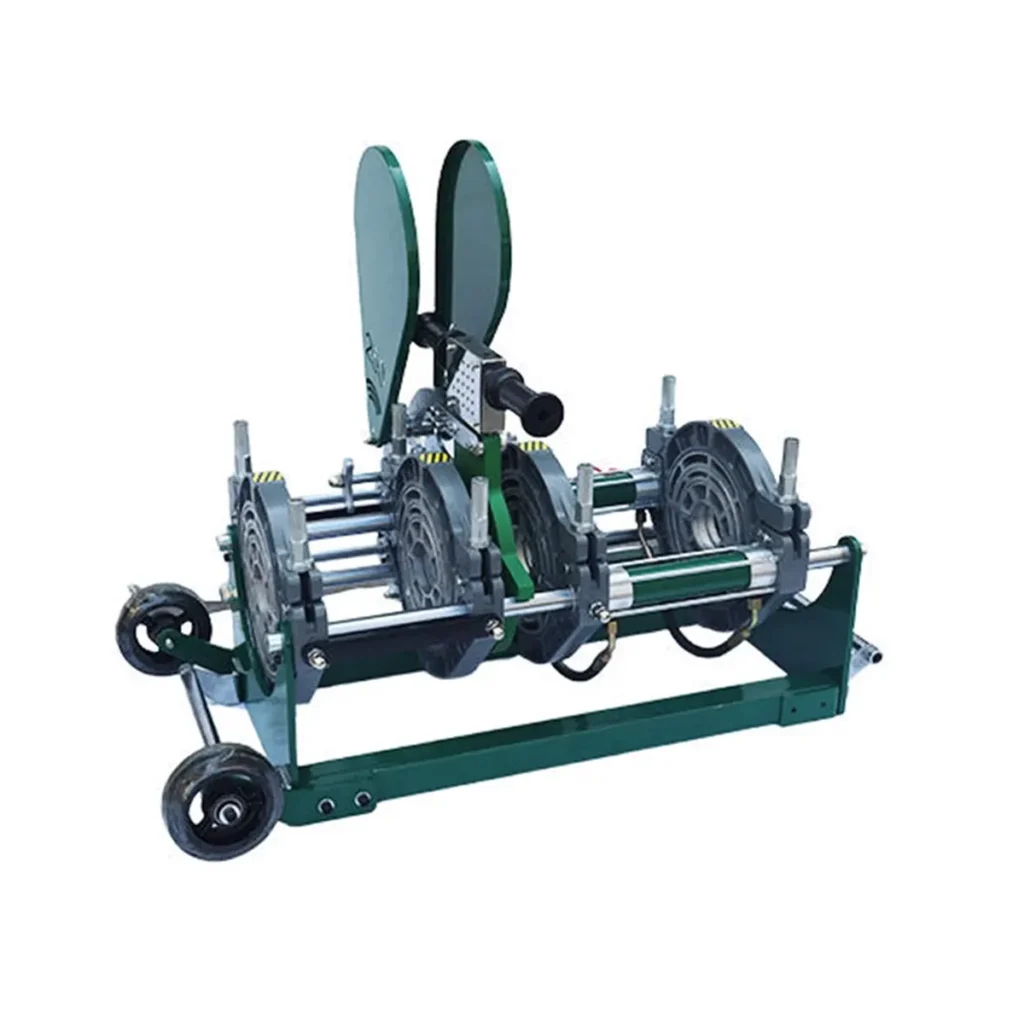
As pipelines evolve to meet growing demands for water, gas, mining and industrial distribution, upgrading PE pipe welding equipment with smart technologies has become essential for achieving consistent, efficient and reliable joints. Modern upgrades — from CNC automatic butt fusion systems to integrated sensor networks — reduce operator variability, speed up weld cycles, and improve long-term asset performance.
Why Smart Upgrades Matter for PE Pipe Welding
Traditional butt fusion methods rely heavily on operator skill and manual checks. By introducing smart controls, automated heating profiles and data logging, contractors can minimize human error, enforce repeatable procedures, and capture weld traceability for quality assurance. These enhancements translate into fewer reworks, safer installations, and predictable project timelines.
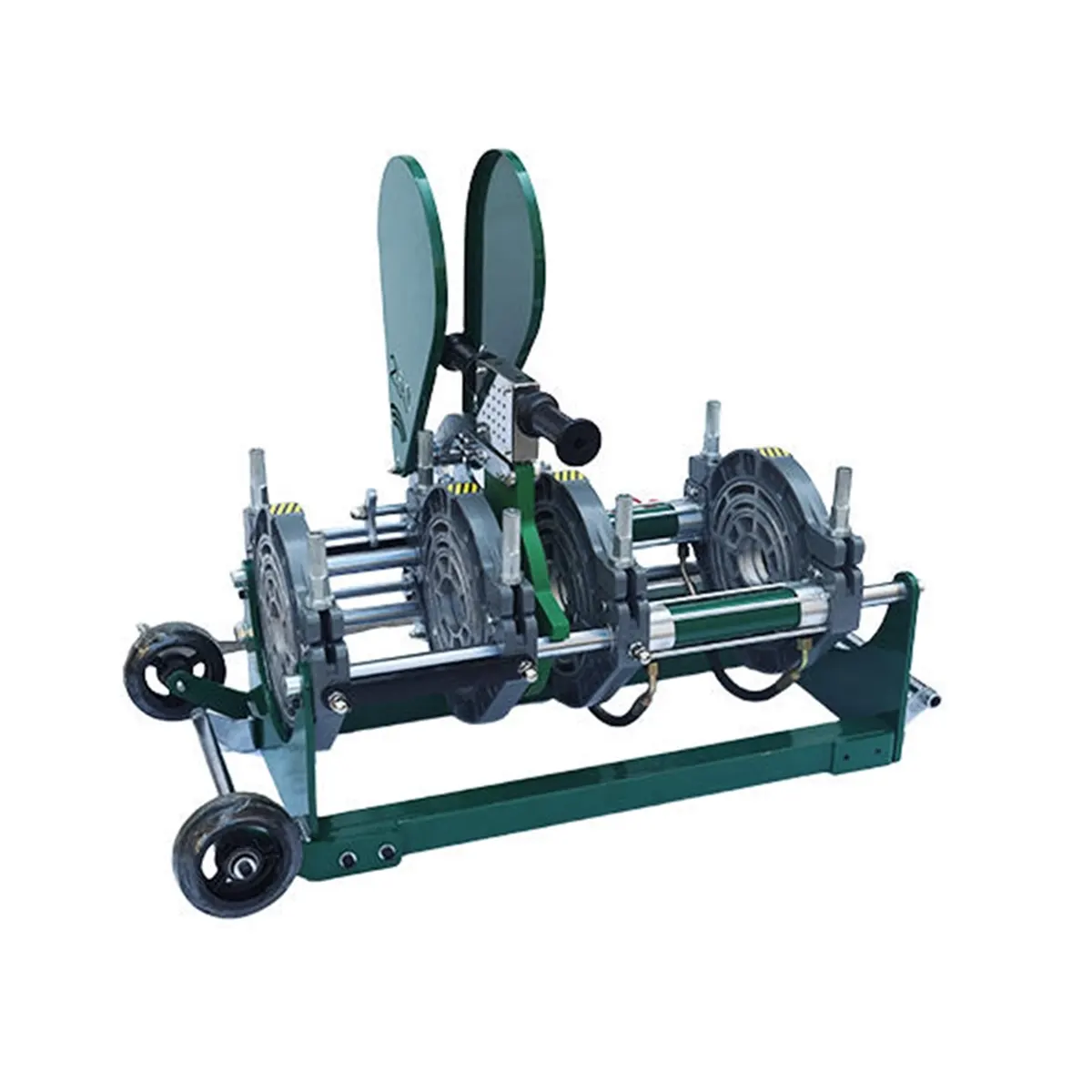
Core Smart Upgrades to Consider
1. CNC & Automatic Control Units — Automated sequences control heater time, temperature and pressure, ensuring consistent fusion cycles across batches. Ideal for medium to large diameter pipes where repeatability is critical.
2. Integrated Sensor Arrays — Temperature, pressure and displacement sensors provide real-time feedback to prevent off-spec welds and enable immediate corrective actions.
3. Digital Logging & Traceability — Onboard or cloud-based data recording creates complete weld records for compliance, warranty and forensic investigation.
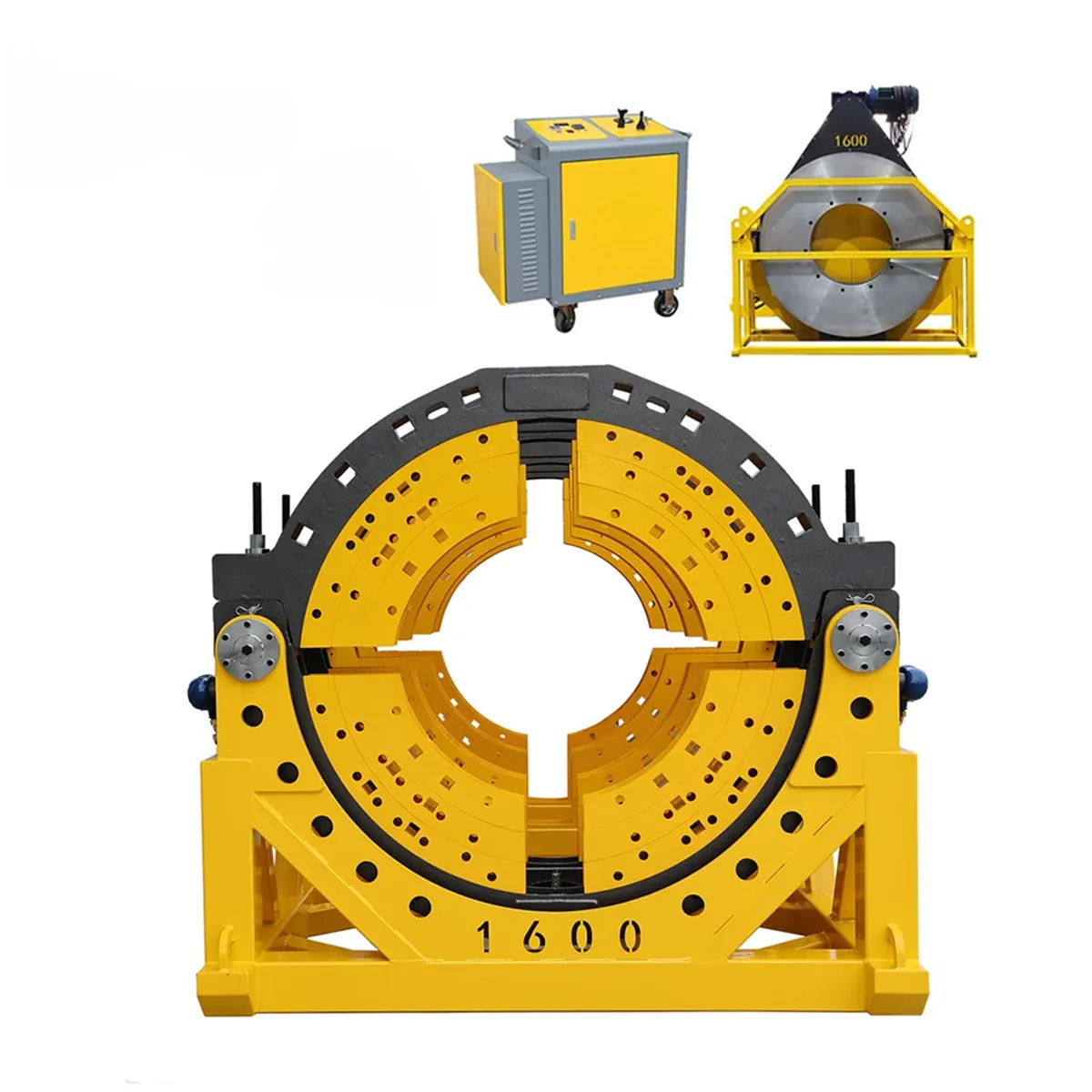
4. Hydraulic & Mechanical Enhancements — Upgrading clamps, platens and hydraulic power units improves alignment, reduces cycle variability and extends component life.
5. Remote Monitoring & Diagnostics — IoT-enabled controllers allow supervisors to monitor multiple machines, receive alerts and schedule preventive maintenance to avoid unplanned downtime.
Benefits for Field Teams and Project Managers
Smart upgrades deliver measurable advantages: consistent fusion quality across operators, reduced inspection times, better documentation for stakeholders, and the ability to scale operations without compromising reliability. For contractors working in challenging terrains or high-safety environments, these improvements strengthen project delivery and client confidence.
Practical Upgrade Roadmap
Start with a phased approach: evaluate current failure modes, choose modular upgrades (sensors, then controller, then remote telemetry), pilot on low-risk lines and roll out after validation. Training and updated SOPs are essential to capture the full value of each enhancement.
Example Upgrade Impact Matrix
| Upgrade | Efficiency Impact | Reliability Impact |
|---|---|---|
| CNC Automatic Controller | Faster cycles & repeatability | Reduced operator variance |
| Sensor Integration | Fewer stoppages for checks | Early anomaly detection |
| Hydraulic & Clamp Upgrades | Lower rework time | Improved joint integrity |
| Remote Monitoring | Optimized resource allocation | Predictive maintenance |
Selecting the Right Equipment
Match the upgrade strategy to your pipeline type, diameters and environmental conditions. Automated systems excel on repetitive, high-volume runs; hydraulic upgrades are critical for large-diameter pipes where clamping force and alignment determine joint quality. Verify that the chosen machine supports modular expansion so future smart features can be added without full replacement.
Quality Control & Compliance
Integrating digital logging improves auditability and supports project compliance with industry standards and client specifications. Use calibrated sensors and validated heating profiles to produce consistent bead formation and mechanical performance. Routine calibration and certified operator training help maintain consistent outcomes over the life of the machine.
Maximizing ROI
To ensure return on investment, quantify benefits around reduced scrap, lower rework rates, shorter project timelines and decreased field supervision. Factor in lower long-term maintenance costs delivered by proactive diagnostics. A staged upgrade can deliver rapid wins while spreading capital expenditure across phases.
Deployment & Training Best Practices
Successful upgrades combine hardware, software and human factors. Establish clear SOPs, train operators on new interfaces and safety checks, and pilot the solution under real-world conditions. Continuous feedback loops between field teams and support engineers will accelerate adoption and uncover further optimization opportunities.
Get Started
For contractors and utilities ready to modernize PE welding operations, partnering with an experienced manufacturer can streamline the upgrade path. JQ-Fusion offers modular welding solutions and support to help teams transition to smart, reliable fusion systems that meet project demands.



