
Keeping your HDPE pipe welding machine in top condition reduces downtime, improves joint quality, and extends service life. The following practical maintenance tips focus on butt fusion and electrofusion equipment commonly used in water, gas, mining, and industrial pipelines.
Why Regular Maintenance Matters
Consistent maintenance prevents costly failures, ensures weld integrity, and protects operator safety. Well-maintained machines deliver repeatable heating performance, accurate alignment, and reliable hydraulic and electrical functions — all critical for long-lasting HDPE pipeline systems.
Daily Checks (Before and After Use)
Start each shift with a quick walk-around to spot obvious issues. Focus on alignment, cleanliness, and basic system functionality.
- Visual inspection: Look for oil leaks, damaged hoses, loose bolts, and worn clamps.
- Heating plate & surfaces: Clean residue from heater plates and trimming tools to avoid contamination between welds.
- Hydraulic: Check oil level and listen for unusual pump noises. Test basic clamp movement and pressure response.
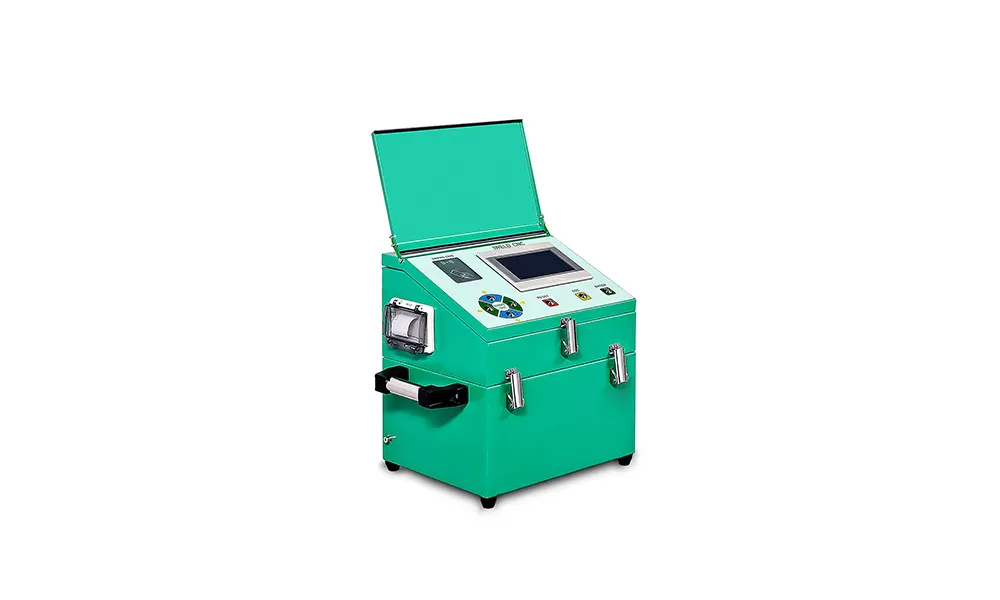
- Electrical: Verify power cords, connectors, and control displays are intact and responsive.
Weekly and Monthly Tasks
More thorough checks every week/month keep subsystems healthy and catch wear early.
- Inspect and tighten all mechanical fasteners and hinge points.
- Clean and lightly lubricate slides, threads, and moving parts with recommended lubricants.
- Check hydraulic hoses and fittings for abrasion and swelling; replace if older than recommended service life or showing damage.
- Test pressure relief valves and confirm correct clamping pressure with a calibrated gauge.
- Examine heating element connections and insulation for wear; clean contact surfaces and confirm thermostat operation.
Consumables and Wear Parts
Replace consumables proactively rather than waiting for failure. Typical wear parts include heater plates, trimming knives/blades, seals, and hydraulic filters.
- Keep spare plates and blades on site to avoid delays.
- Use OEM or high-quality replacement seals and filters to maintain system integrity.
- Log part replacements to track life cycles and predict future needs.
Hydraulic System Best Practices
Hydraulics are central to many butt fusion machines. Contaminated fluid or incorrect pressure settings quickly degrade performance.
- Use manufacturer-recommended hydraulic oil and change it at scheduled intervals.
- Replace filters and clean breathers regularly to prevent contamination.
- Bleed air from the circuit after any fluid change or component replacement.
- Monitor operating temperature — overheating shortens pump and seal life.
Electrical & Control Unit Care
Keep control panels dry, dust-free, and protected from vibration. Verify firmware/software updates where applicable and back up welding logs when possible.
- Inspect connectors for corrosion, and keep contact points clean.
- Test emergency stop and safety interlocks monthly.
- Ensure battery-backed clocks and memory modules function for accurate weld record keeping.
Calibration, Documentation & Traceability
Calibrate pressure gauges, temperature sensors, and timers according to the manufacturer’s recommendations. Maintain a calibration log to support QC and compliance for infrastructure projects.
Troubleshooting Common Issues
Rapid diagnosis saves time. Common faults and quick actions:
- Uneven heating: Clean heater plate and confirm thermostat sensor contact; replace damaged plate.
- Hydraulic slow response: Check fluid level and filter clogging; inspect pump drive belts or motor.
- Control errors: Reboot control unit, check wiring harness, and consult error codes in manual.
- Leaking seals: Replace seals and test system at low pressure before full operation.
Maintenance Schedule (Quick Reference)
| Interval | Action | Notes |
|---|---|---|
| Daily | Visual inspection; clean heater plates; check clamps | Before and after shift |
| Weekly | Lubricate moving parts; check hoses and filters | Record findings |
| Monthly | Full hydraulic & electrical check; test safety devices | Calibration as needed |
| Annually | Comprehensive service: replace filters, seals, and critical wear parts | Consider manufacturer service |
Storage, Transport & Field Care
When machines are moved between sites or stored for long periods:
- Drain fluids if storing for months, or protect against condensation with desiccants.
- Secure moving parts and protect heater plates with covers.
- Transport in padded crates or mounts to avoid shocks that damage electronics or frames.
Operator Training & Safety
Well-trained operators perform preventive maintenance naturally and spot early signs of wear. Provide training on proper clamp setting, heating cycles, safe hydraulic practices, and daily checklists. Maintain accessible user manuals and safety protocols on every job site.
Choosing Support & Spare Parts
Use reputable suppliers and OEM parts for best fit and reliability. For tailored support and a wide range of HDPE pipe welding machines and parts, consider JQ-Fusion as a manufacturer partner: https://jq-fusionwelding.com/



