
Butt fusion welding is the backbone of reliable HDPE pipeline installation. As demand grows for durable, leak-free joints in water, gas, mining, and industrial distribution networks, selecting the right butt welder manufacturer and equipment is critical for project success and long-term performance.
Why Butt Fusion is Preferred for Industrial Applications
Butt fusion produces homogenous, high-strength joints by heating and pressing pipe ends together. This method delivers superior resistance to corrosion, chemical attack, and ground movement compared to mechanical fittings. For engineers and contractors, the main advantages are consistent weld integrity, fast onsite cycle times, and reduced maintenance costs over the pipeline lifetime.
Core Equipment Types: Manual, Hydraulic, Automatic
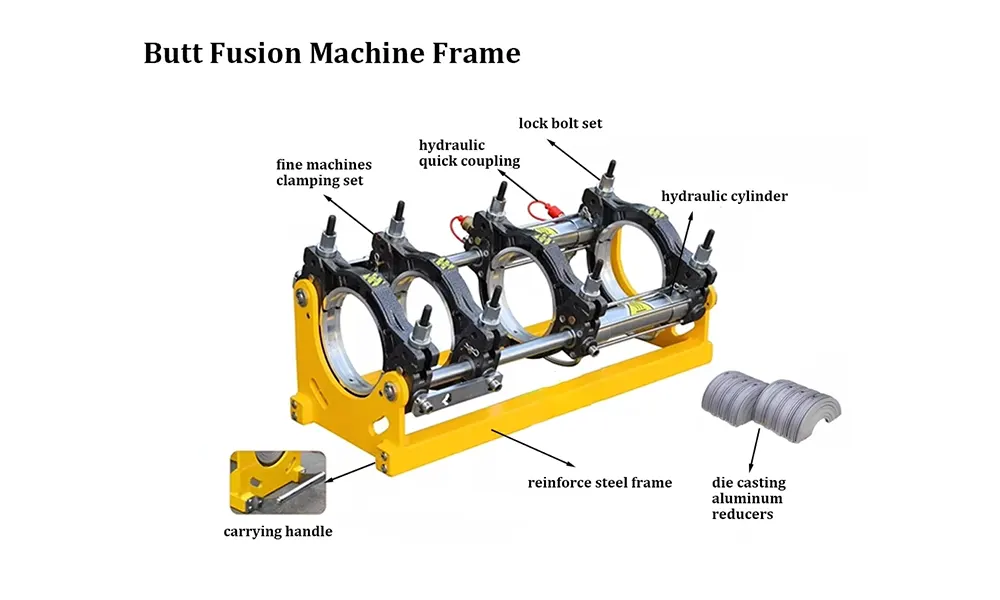
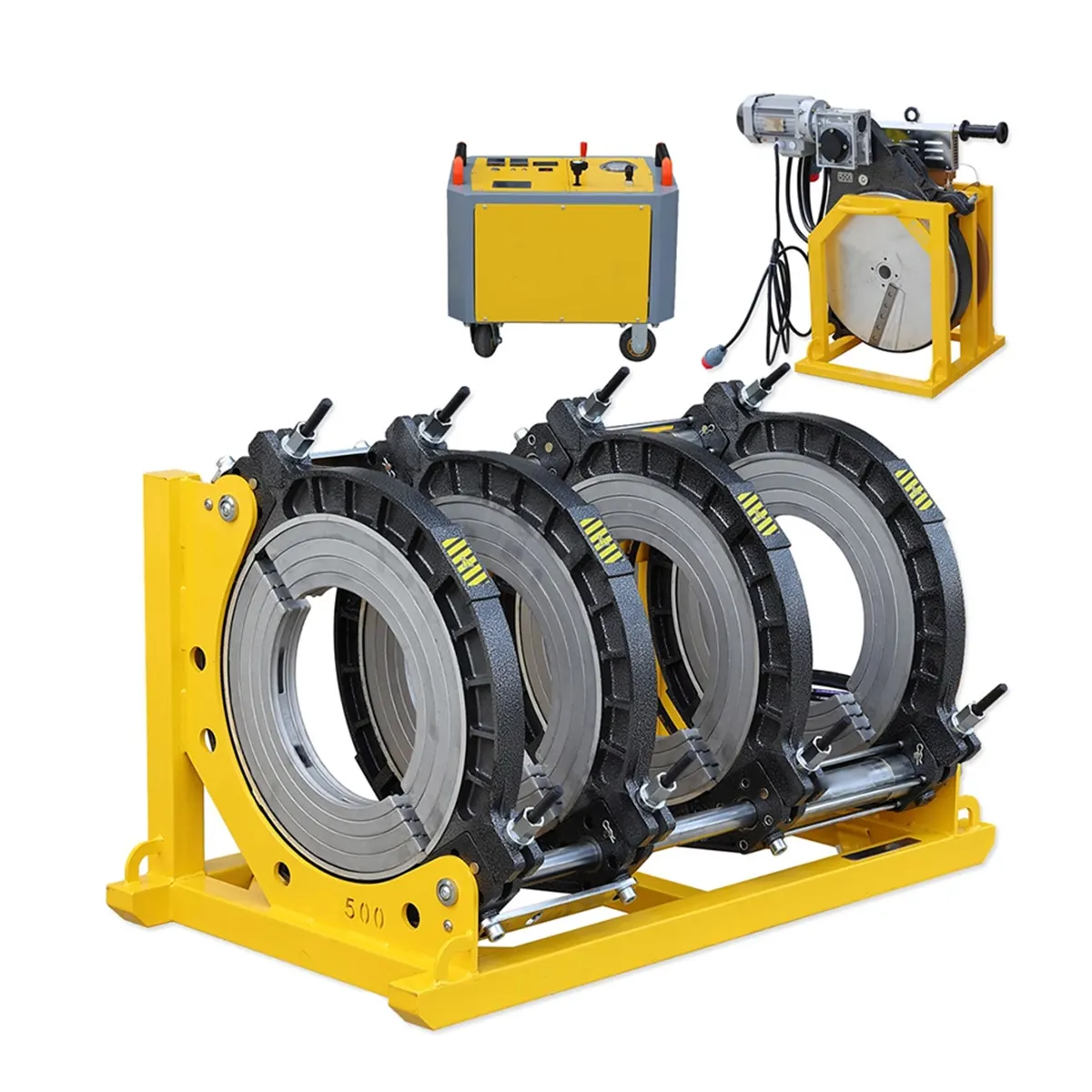
Manufacturers offer a range of butt fusion machines to match site conditions and production demands. Manual units are lightweight and ideal for small-diameter repair work. Hydraulic models add power and precision for medium to large diameters, while CNC automatic machines streamline repetitive welding processes for high-volume production. Choosing the correct type affects weld quality, operator safety, and overall productivity.
Manufacturer Focus: Reliability, Customization, Compliance
JQ-Fusion (https://jq-fusionwelding.com/) specializes in HDPE pipe welding machines across manual, hydraulic, and CNC automatic lines. A reputable manufacturer invests in strict quality control, traceable welding records, and modular designs so machines can be adapted for regional standards and varied pipe diameters.
Quick Selection Guide
| Model | Type | Pipe Range | Key Feature |
|---|---|---|---|
| JQH160 | Hydraulic | 16–160 mm | Portable & precise for municipal repairs |
| JQA355 | Automatic | 63–355 mm | CNC control for high repeatability |
| Large Diameter Series | Hydraulic/CNC | ≥400 mm | Heavy-duty frames for trunk mains |
Quality Assurance and Operator Support
Top manufacturers follow ISO-aligned production and provide factory and onsite testing. Look for features like traceable welding logs, digital temperature control, and robust clamping systems that minimize misalignment. Equally important is training—operators who understand correct fusion cycles and maintenance routines produce safer, longer-lasting joints.
In dusty or remote environments common to mining and rural water projects, durability of the machine frame, protection for electronics, and easy field servicing become decisive factors. Machines designed with modular spare parts and clear troubleshooting guides reduce downtime and logistic costs.
Applications That Benefit Most
Municipal water networks: leak-free joints extend service intervals and protect potable water quality.
Gas distribution: precision fusion reduces risk and complies with strict safety regulations.
Mining and industrial pipelines: rugged machines withstand harsh conditions and long runs.
Procurement Tips for Project Managers
Define your pipe diameter range, expected weld volume, and site environment first. Request performance data, sample weld records, and references. Verify spare-part availability and warranty terms. Investing slightly more in automation and quality control often yields lower lifetime costs through reduced rework and maintenance.
Final Note
Selecting the right butt fusion welding solution means balancing portability, power, and precision. Prioritize machines that are proven in similar industrial projects and backed by accessible technical support to keep your installations on schedule and within specification.



