
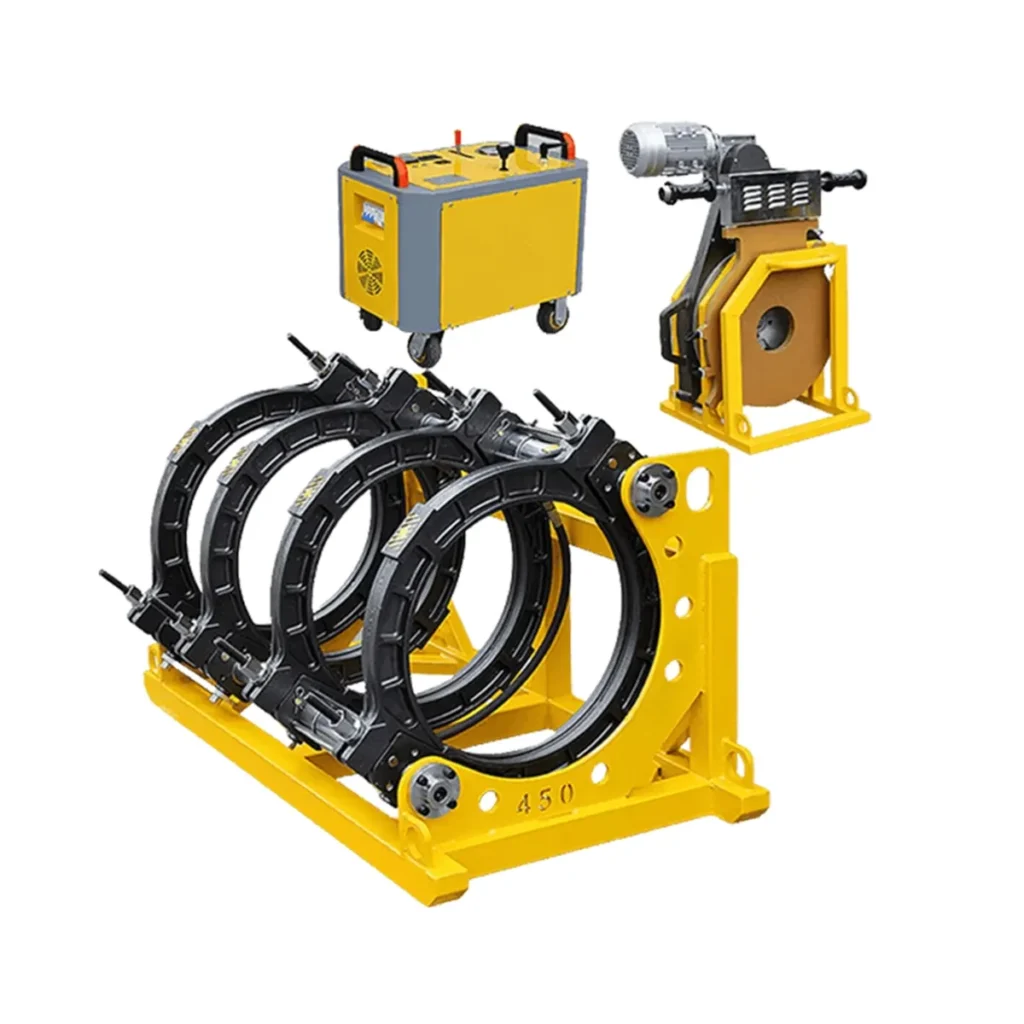
For Mozambique’s growing infrastructure needs, reliable pipe fusion machines are essential to build durable HDPE pipeline networks. From urban water supply upgrades in Maputo to rural irrigation projects in Nampula and energy distribution in Palma, choosing the right butt fusion and electrofusion equipment improves efficiency, reduces leak risk, and accelerates project timelines.
Why Pipe Fusion Machines Matter in Mozambique
Durability: Proper butt fusion creates homogenous joints that resist corrosion and groundwater pressures common in coastal and delta regions. Lower maintenance means fewer service trips across long rural distances. Local contractors and municipal teams benefit from machines that deliver consistent welds under varied site conditions.
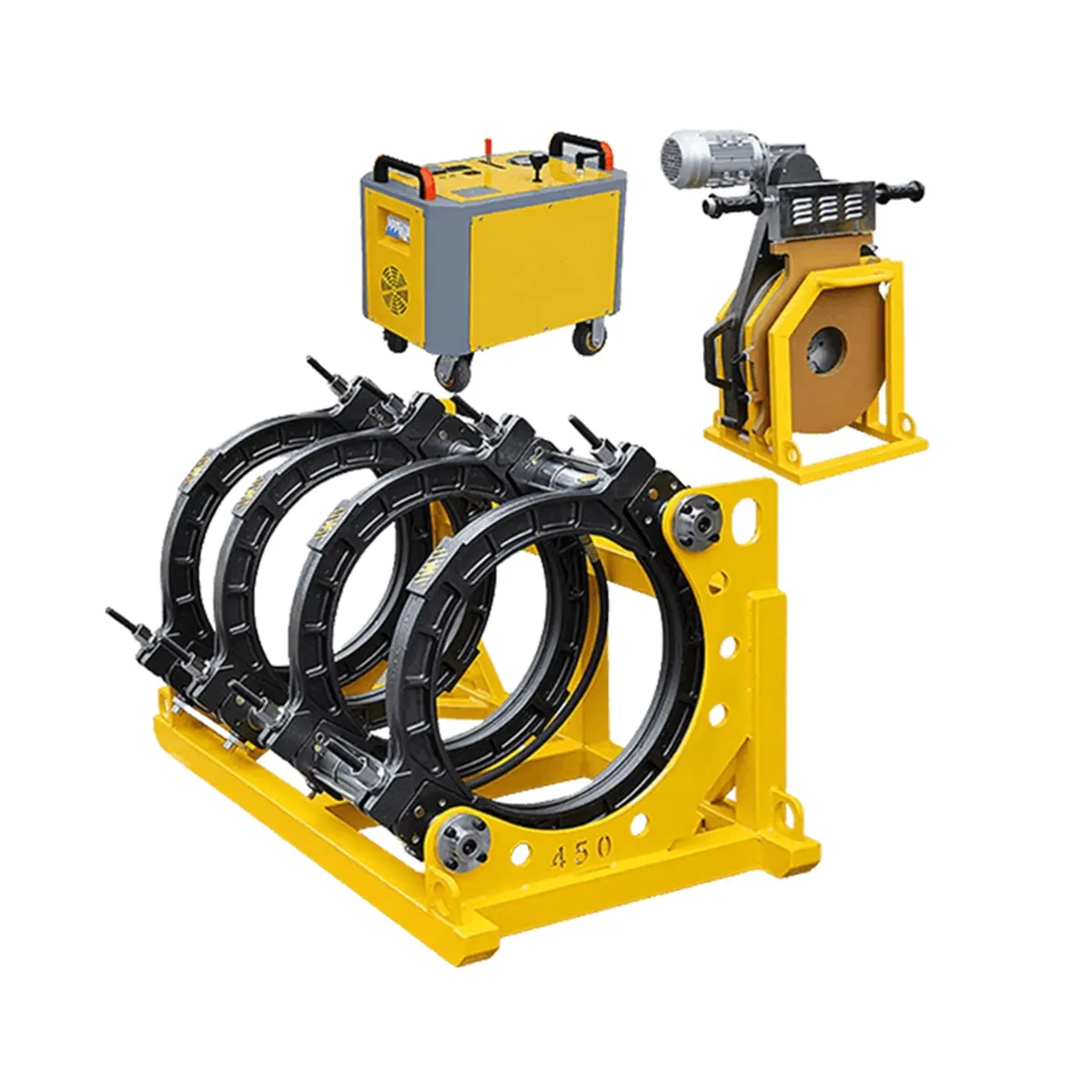
Key Local Advantages
– Faster installation for water & sanitation projects in peri-urban neighborhoods.
– Lightweight manual units for communities with limited access roads.
– Hydraulic and automatic machines for large-diameter gas and mining pipelines.
Common Machine Types and When to Use Them
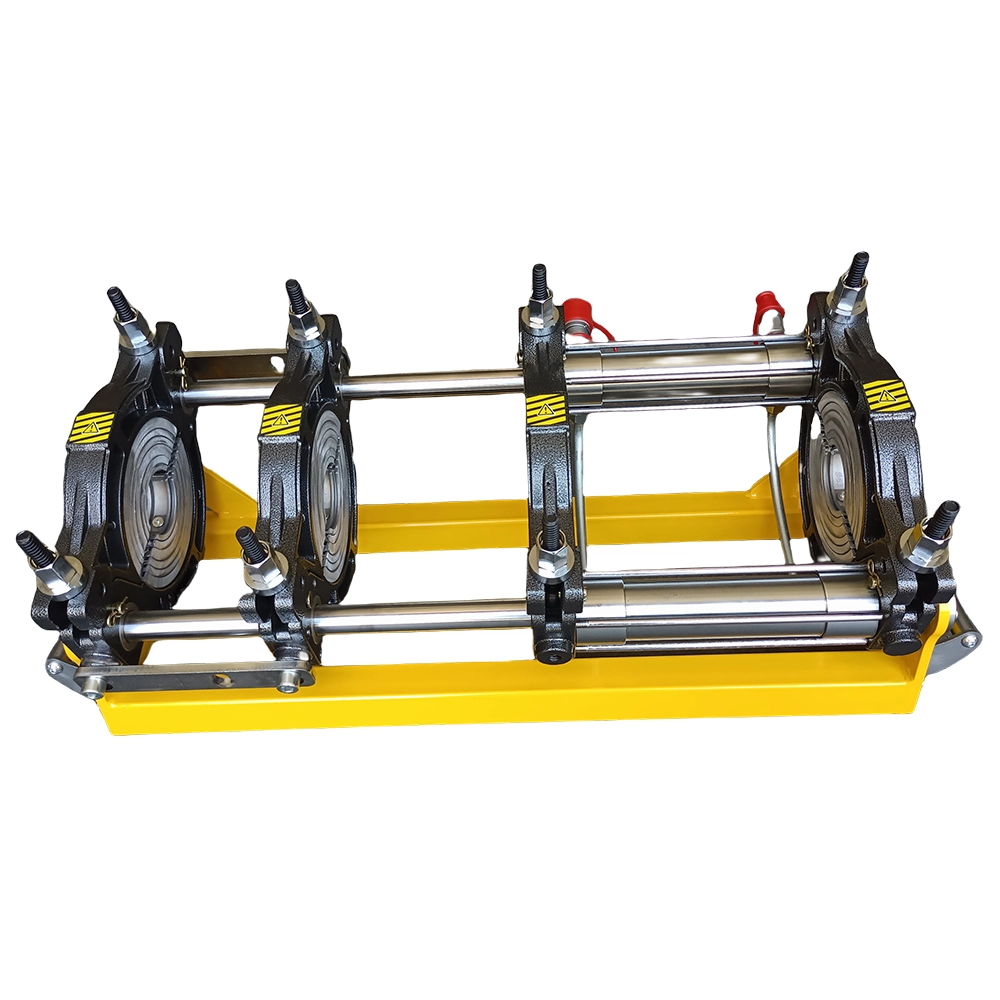
Manual Butt Fusion: Best for small-diameter pipes, remote sites, and teams trained in field welding. Easy to transport and maintain.
Hydraulic Butt Fusion: Ideal for medium to large diameters where consistent pressure control is required—common on municipal trunk mains.
Automatic CNC Butt Fusion: For high-volume projects and factory-style pipeline fabrication where traceable weld records and repeatability matter.
Practical Tips for Mozambique Projects
Choose machines with robust frames and corrosion-resistant components for coastal zones. Prioritize models with spare parts availability and clear operator interfaces to account for varied skill levels across contractor crews.
Feature Comparison Table
| Machine Type | Best Use | Typical Pipe Range | Mobility |
|---|---|---|---|
| Manual Butt Fusion | Small site repairs, rural work | 20mm–315mm | High |
| Hydraulic Butt Fusion | Municipal mains, medium projects | 63mm–1250mm | Medium |
| Automatic CNC Fusion | Large-scale fabrication & repeatable welds | 90mm–2250mm+ | Low (stationary) |
Applications in Mozambique
HDPE pipelines joined by butt fusion serve many sectors across Mozambique:
– Water supply and irrigation systems supporting agriculture in Zambezia and Gaza provinces.
– Natural gas distribution and fuel lines for industry and mining in Cabo Delgado and Tete.
– Sewage and drainage networks in expanding coastal cities where corrosion resistance matters.
How to Choose the Right Supplier
Look for a manufacturer that offers a full range—manual, hydraulic and automatic units—plus spare parts, technical documentation and training options. One reliable option in the market is JQ-Fusion, which specializes in HDPE pipe welding machines for global projects and provides models across size ranges.
Maintenance & Training Considerations
Plan operator training sessions on fusion parameters, surface prep and heating plate care. Regular inspection of clamps, heating elements and hydraulic systems extends machine life—critical when servicing remote communities where logistics are challenging.
Final Notes for Project Planners
Selecting the correct fusion machine reduces downtime and improves long-term pipeline performance. Consider expected pipe diameters, site access, and weld documentation requirements when making procurement decisions. With the right equipment and trained teams, Mozambique’s pipeline projects can achieve reliable results that benefit both urban and rural populations.



