
Consistent temperature control is the backbone of high-quality HDPE water supply pipe butt fusion. Proper heat management ensures uniform melt, strong molecular bonds, and long-lasting, leak-free joints. The following practical tips will help operators, supervisors, and contractors improve fusion quality, reduce rework, and extend the service life of fusion equipment.
Why Precise Temperature Matters
Temperature directly influences melt flow, bead formation, and fusion integrity. Too low and the interface remains unmelted; too high and material degradation or excessive flash occurs. For water supply pipelines where safety and durability are paramount, controlling the heating plate and the pipe surfaces during all fusion stages is essential.
Key performance risks from poor temperature control
Cracks, weak joints, internal voids, and long-term creep failures. Inconsistent heating also increases cycle time and waste—factors that affect project budgets and timelines.
Pre-Heat Checklist: Get Ready Before You Heat
Confirm pipe material grade (e.g., PE80 vs PE100), wall thickness, and diameter. Inspect pipe ends for cleanliness, square trimming, and secure clamping. Verify the heating plate surface is clean, flat, and preheated to the target temperature before contact.
Heating Plate Handling Best Practices
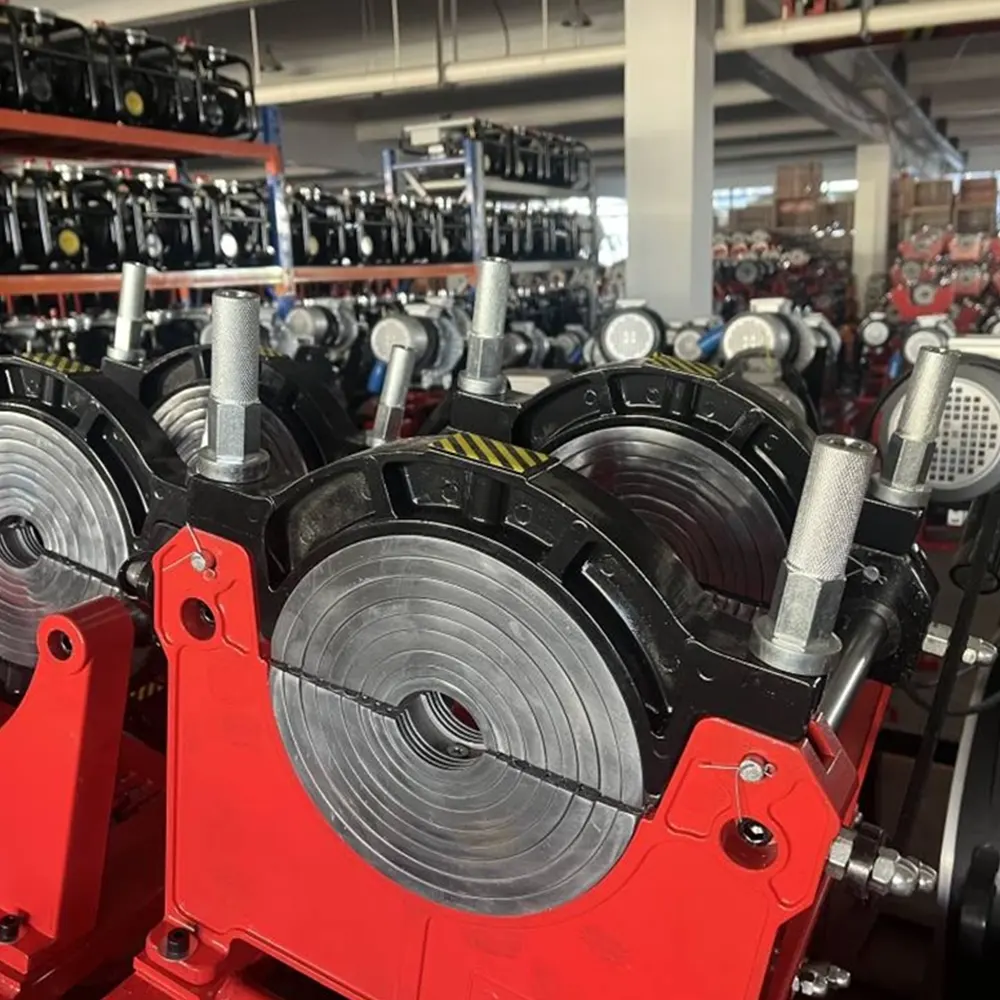
Always use a calibrated thermostat or digital controller. Allow the heating plate to stabilize at the set temperature for a minimum of 10–15 minutes under load. Avoid placing the plate directly on abrasive or uneven surfaces and never use damaged plates—small dents can create hotspots or cold zones.
Avoid contamination
Wipe the heating plate with a clean, lint-free cloth while warm (not hot) and use only approved cleaners if needed. Oil, rust, or dirt on the plate surface will degrade heat transfer and contaminate the melt interface.
Recommended Fusion Temperature Guide
Below are commonly used heater-setpoint ranges. Use them as starting points and always follow the pipe manufacturer’s specification when available.
| Pipe Material / Size | Typical Plate Temp (°C) | Notes |
|---|---|---|
| PE80 / Small diameters (≤160mm) | 200 – 220 | Faster melt; monitor for flash |
| PE100 / Medium diameters (160–630mm) | 210 – 230 | Balanced melt and joint strength |
| Large diameter / Thick wall | 220 – 240 | Longer soak times needed |
Soak Time and Pressure Control
Set soak time according to wall thickness—thicker walls require longer contact at temperature. Apply consistent alignment pressure during heating and controlled fusion pressure during jointing. Sudden pressure surges will cause uneven melt and poor bead symmetry.
Monitoring and Calibration
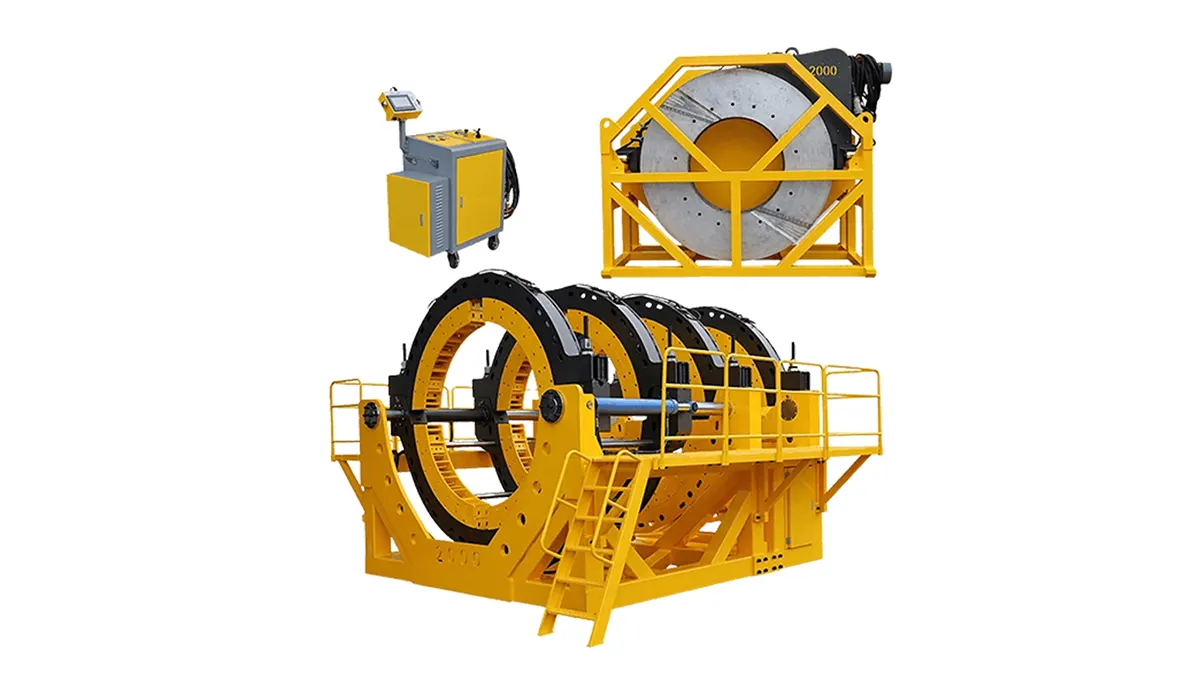
Use thermocouples or infrared sensors to cross-check controller readings periodically. Calibrate the temperature controller and probes at least quarterly for production environments; more often in heavy-use projects. Keep a log of calibration and temperature readings for quality control documentation.
Environmental Factors: How Weather Affects Fusion
Cold, wind, and high altitude influence heat loss and fusion behavior. In cold climates, raise plate setpoints slightly and increase soak time. Shield the fusion area from wind and use enclosures or tents for very cold or wet conditions. In hot conditions, ensure plates do not overheat and that cooling rates are controlled to avoid thermal shock.
Common Mistakes to Avoid
Rushing the process, ignoring plate cleanliness, skipping calibration, using mismatched temperatures for different HDPE grades, and failing to document temperature records. Each leads to compromised joints and potential costly failures.
Quick Pre-Fusion Checklist
1) Confirm material grade and wall thickness. 2) Clean and square pipe ends. 3) Calibrate controller and verify plate setpoint. 4) Warm plate to stable temperature. 5) Record actual plate temperature and soak time.
Equipment Care to Maintain Temperature Accuracy
Inspect heating plates for scratches or warping, replace damaged plates, and ensure connectors and wiring to controllers are secure. Regular maintenance of hydraulic units and clamping mechanisms reduces unintended pressure changes that affect heat transfer.
For reliable butt fusion equipment and global support, JQ-Fusion offers a range of manual, hydraulic, and automatic machines tailored for water supply pipelines.



