
Municipal pipeline projects demand consistent, safe, and verifiable welding practices to ensure long-term service life and regulatory compliance. This guide outlines standardized management methods for butt-fusion welding of HDPE and similar plastic pipelines used in water, gas, and urban infrastructure works.
Why Standardization Matters for Municipal Pipeline Welding
Consistent procedures reduce leak risks, cut rework costs, and improve public safety. Standardization also supports traceability, simplifies inspections, and makes contractor performance measurable across city-scale networks.
Core Elements of a Welding Construction Standard
1. Approved Equipment List
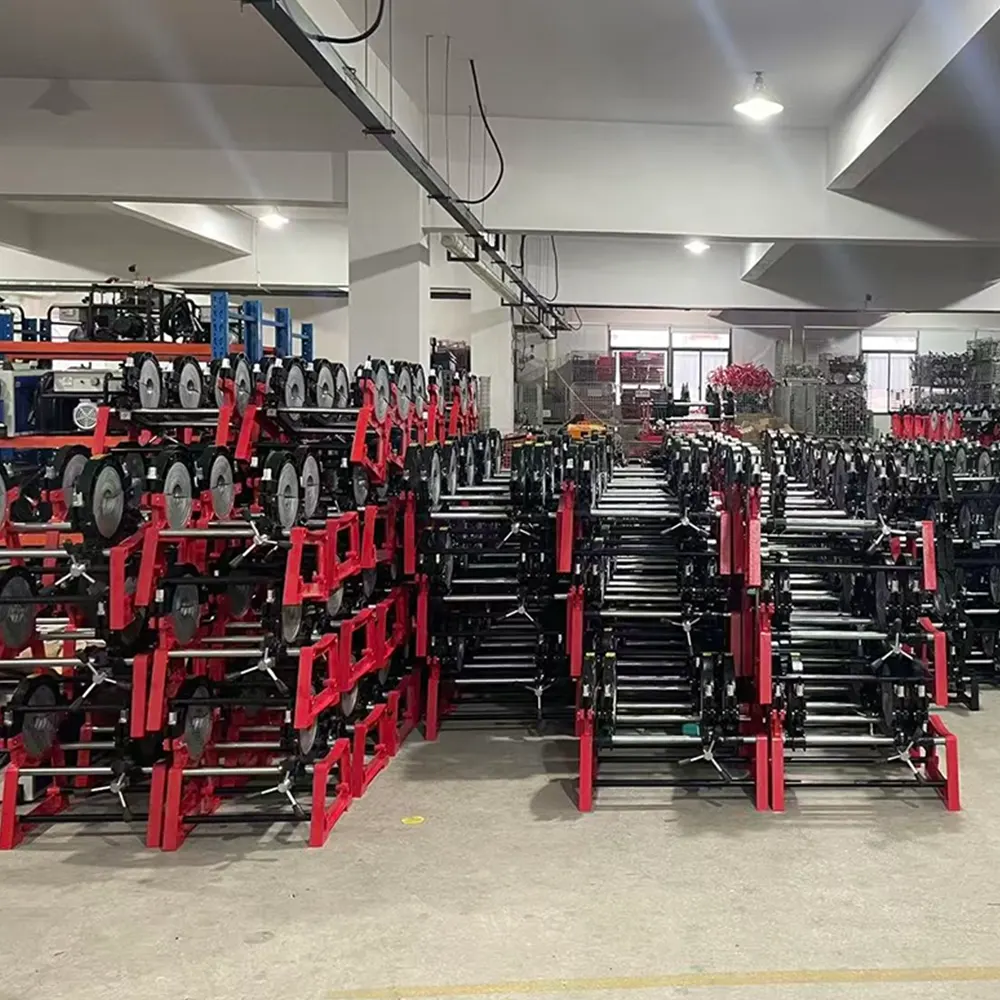
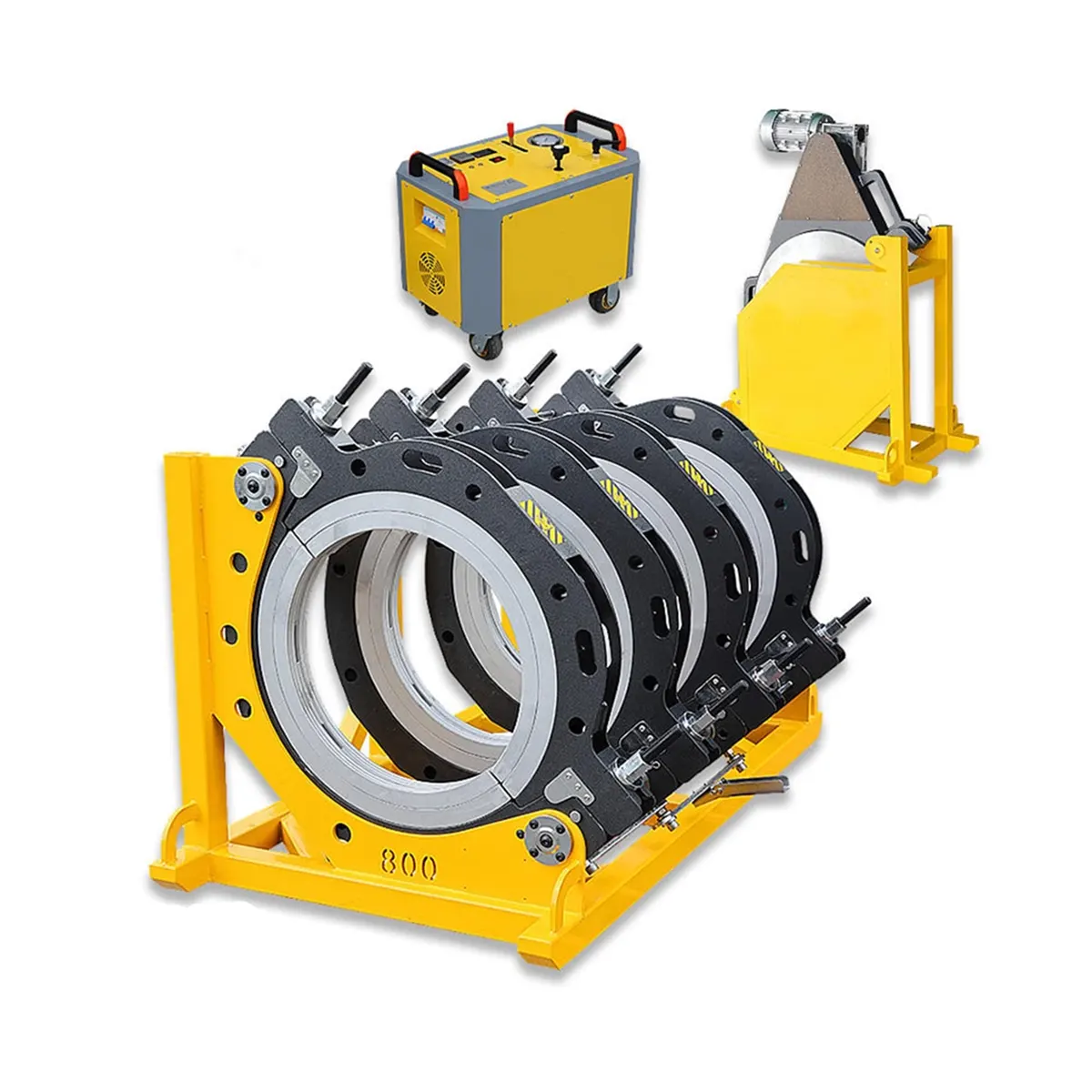
Create and maintain a registry of approved welding machines, heaters, facing tools, and fittings. Each entry should include make, model, serial number, calibration date, and permitted pipe diameter range.
2. Operator Qualification and Training
Only certified operators should perform fusion operations. Training programs should combine classroom instruction with on-site supervised welds and periodic re-assessments. Records must be retained for audits.
3. Written Welding Procedure Specifications (WPS)
Every project must adopt a WPS that covers preparation, alignment, heating, fusion pressure, cooling time, and post-weld handling. WPS should reference relevant industry standards and local municipal codes.
On-site Quality Control Workflow
Quality control requires clear checkpoints and documented acceptance criteria at each fusion stage. Implement a QC flow that inspectors and operators can follow easily.
| Stage | Checklist Items | Acceptance Criteria |
|---|---|---|
| Pre-Weld | Pipe cleanliness, surface condition, machine setup | No contaminants; clamps secure; machine calibrated |
| Fusion | Heating time, temperature, alignment, applied force | Within WPS tolerances; consistent bead formation |
| Post-Weld | Cooling time, visual inspection, dimensional checks | No cracks, ovality within limits, documented record |
Documentation and Traceability
Every fusion must generate a weld record including operator ID, machine ID, pipe IDs, WPS reference, ambient conditions, and photos. Digital forms with timestamped entries simplify audits and facilitate long-term maintenance planning.
Safety and Environmental Controls
Municipal sites often require additional safety layers due to public exposure. Implement exclusion zones, hot-work signage, emergency response plans, and environmental controls for waste management. Ensure PPE and safe operating distances are enforced.
Inspection Frequency and Third-Party Testing
Schedule routine inspections and random third-party destructive or non-destructive tests to validate the WPS and operator performance. Municipal owners may mandate independent sampling on key network segments.
Maintenance and Calibration of Welding Equipment
Establish a preventive maintenance calendar for heaters, facing tools, hydraulic units, and control systems. Include regular calibration of temperature controllers and pressure sensors. Maintain a service log for each machine to prove compliance.
Key Performance Metrics to Track
Track metrics such as weld acceptance rate, rework incidents per kilometer, average cooling times, and operator pass rates. Use these KPIs to refine procedures and prioritize training or equipment upgrades.
Practical Tips for Municipal Contractors
Standardized Checklists
Use standardized, printable checklists on-site to minimize human error and speed inspections.
Photo & GPS Logging
Capture photos and GPS coordinates for every critical weld to simplify future repairs and locate assets within the municipal GIS.
Equipment Sourcing
For reliable butt-fusion equipment and global support, consider manufacturers who publish detailed WPS compatibility and offer spare parts and training packages. JQ-Fusion: https://jq-fusionwelding.com/
Conclusion
Adopting a standardized management approach for municipal pipeline welding improves safety, reduces long-term costs, and builds confidence with regulators and the public. Clear WPS, qualified operators, robust documentation, and calibrated equipment form the foundation of a resilient municipal pipeline program.



