
Choosing the right poly pipe welder is a critical decision for contractors, utilities, and infrastructure teams who need reliable, leak-free joints for HDPE pipelines. This guide explains key machine types, selection criteria, and practical tips to help you select equipment that matches your project scale, site conditions, and quality requirements.
Understand the Core Welding Methods
Butt fusion, electrofusion, and socket fusion are the most common joining methods for polyethylene pipes. Each method requires specialized equipment and yields different productivity, portability, and joint strength characteristics.
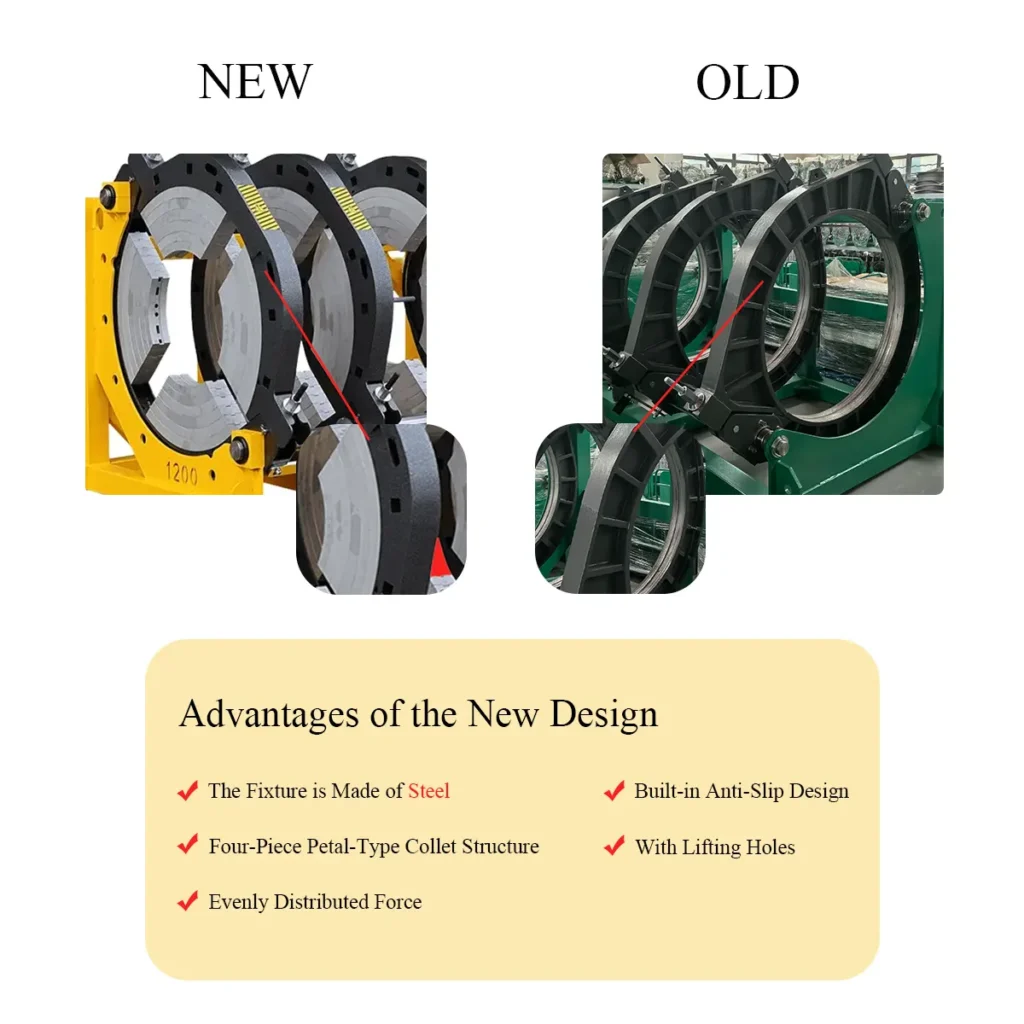
Butt Fusion is the preferred choice for larger-diameter HDPE pipelines used in water, gas, and industrial systems due to consistent joint strength and field adaptability.
Machine Types at a Glance
Pick a machine class based on pipe diameter, automation needs, and on-site logistics:
| Machine Type | Best for | Typical Diameter Range | Key Advantage |
|---|---|---|---|
| Manual Butt Fusion | Small jobs, tight budgets | 16mm – 315mm | Portable and low-cost |
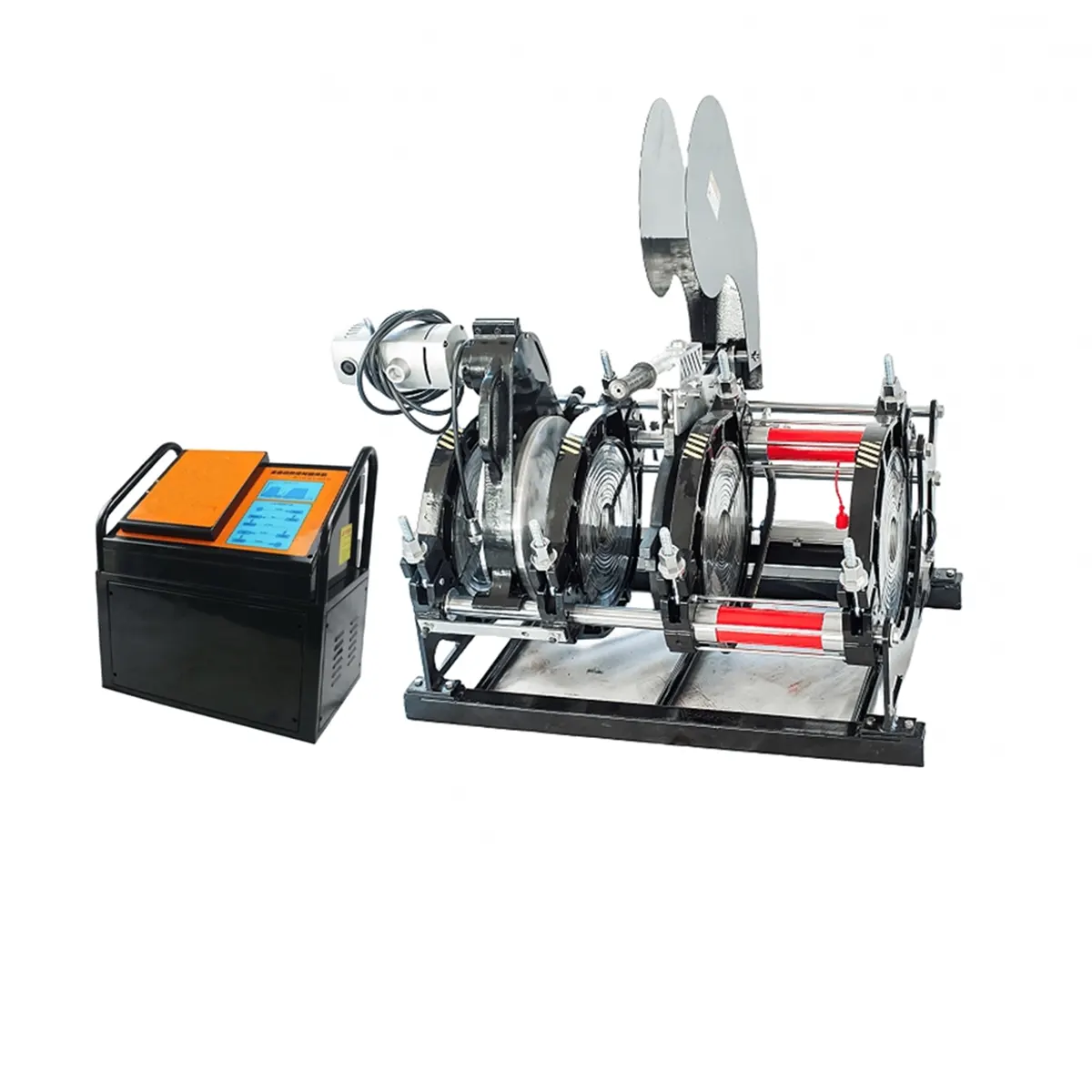
| Hydraulic Butt Fusion | Medium to large pipelines | 63mm – 1200mm+ | High clamping force and stability |
| Automatic / CNC Butt Fusion | High-volume production, precision | 63mm – 2000mm+ | Repeatable, data-logged welds |
| Electrofusion | Fittings, repair, small distribution lines | 20mm – 630mm (depending on fitting) | Ideal for complex fittings and confined spaces |
Top Selection Factors
Evaluate these core factors before purchasing a poly pipe welder:
-
Pipe size and SDR — Confirm the machine covers your working diameters and wall thickness ranges.
-
Site conditions — Portability vs. heavy-duty stability: remote trench work favors lightweight manual or compact hydraulic units; factory or depot work benefits from automatic/CNC systems.
-
Automation & traceability — For municipal or large contractor projects, choose automatic units with logged weld data for QA/QC compliance.
-
Operator skill level — Simpler manual machines require more operator experience; automated machines reduce variability and training burden.
-
Service & spare parts — Accessible support and parts shorten downtime. Consider manufacturer lead times for critical components.
-
Budget & total cost of ownership — Factor in training, maintenance, consumables, and expected production rates, not just initial purchase price.
Compliance, Quality & Certification
Ensure equipment meets relevant standards (ISO 21307, ASTM, or local pipeline regulations). Machines with calibration certificates, controlled heating plate tolerances, and pressure-capable clamps deliver consistent fusion quality.
Practical Maintenance and Training Tips
Routine checks keep weld quality consistent: heater plate flatness, clamp jaw condition, hydraulic fluid levels, and accurate alignment are critical. Invest in operator training focused on preparation, alignment, heating, fusion pressure, and cooling cycles.
Buying Checklist
Before finalizing a purchase, confirm:
-
Diameter range and SDR compatibility
-
Power source needs (electric, generator, or hydraulic drive)
-
Weight and transport options for field deployment
-
Availability of spare parts and local technical support
-
Warranty, calibration, and training packages
When to Choose Which Machine
Small contractors who work on service connections should prioritize mobility and low capital cost. Larger contractors or municipalities should prioritize automation, data logging, and heavy-duty hydraulic systems for productivity and compliance.
Final Note
For a broad range of butt fusion solutions covering manual, hydraulic, and CNC automatic machines suitable for water, gas, mining, and industrial pipelines, consider discussing project requirements with a specialized manufacturer such as JQ-Fusion.



