
Electrofusion welder suppliers play a critical role in modern pipeline installation and maintenance by providing the equipment and expertise needed to create durable, leak-free joints in HDPE and other thermoplastic pipes. This article guides procurement teams, contractors, and engineers through selecting the right electrofusion welding machine, understanding key features, and ensuring long-term performance for water, gas, and industrial piping projects.
Why Choose an Electrofusion Welder for Pipe Welding?
Electrofusion welding delivers consistent, high-strength joints with minimal field preparation and excellent resistance to environmental stress. For utilities and contractors, benefits include improved safety, repeatable results across many pipe sizes, and reduced excavation time on repair jobs. Electrofusion is especially effective for joining HDPE fittings and smaller diameter pipe runs where butt fusion is impractical.
Core Features to Look For
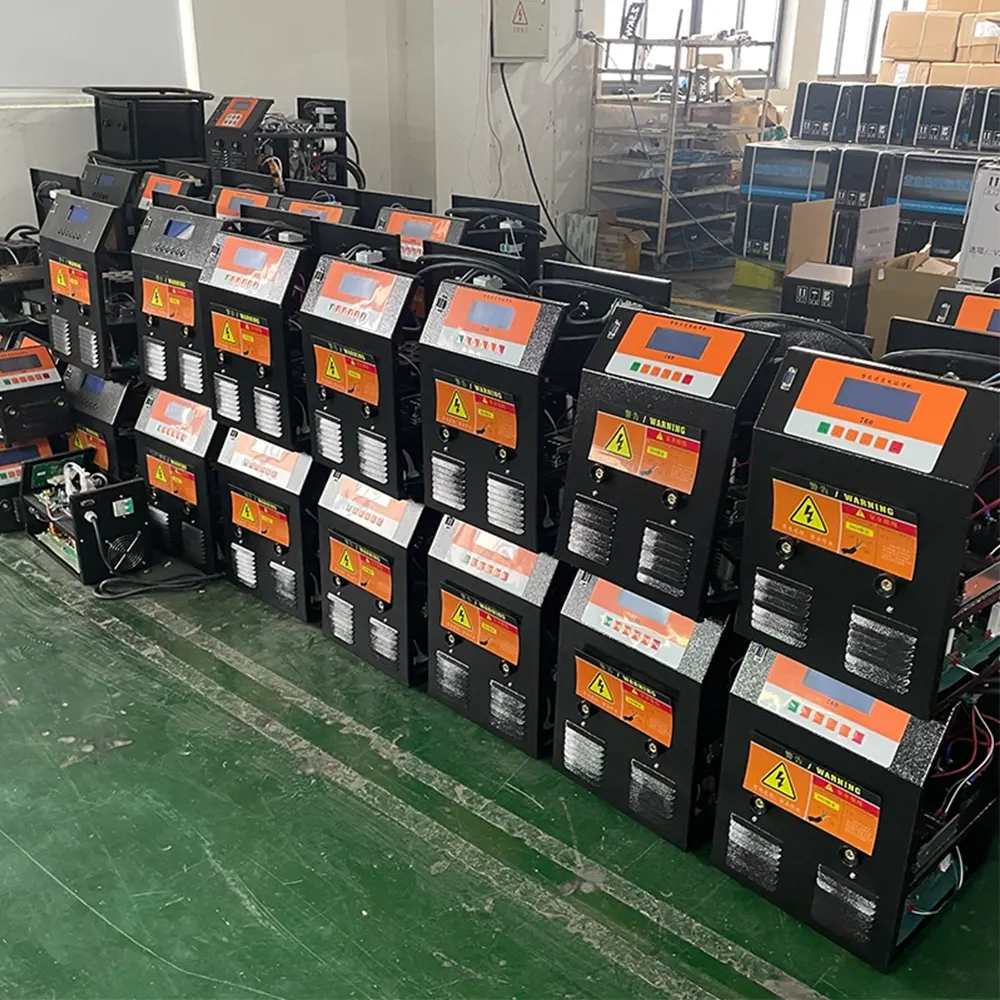
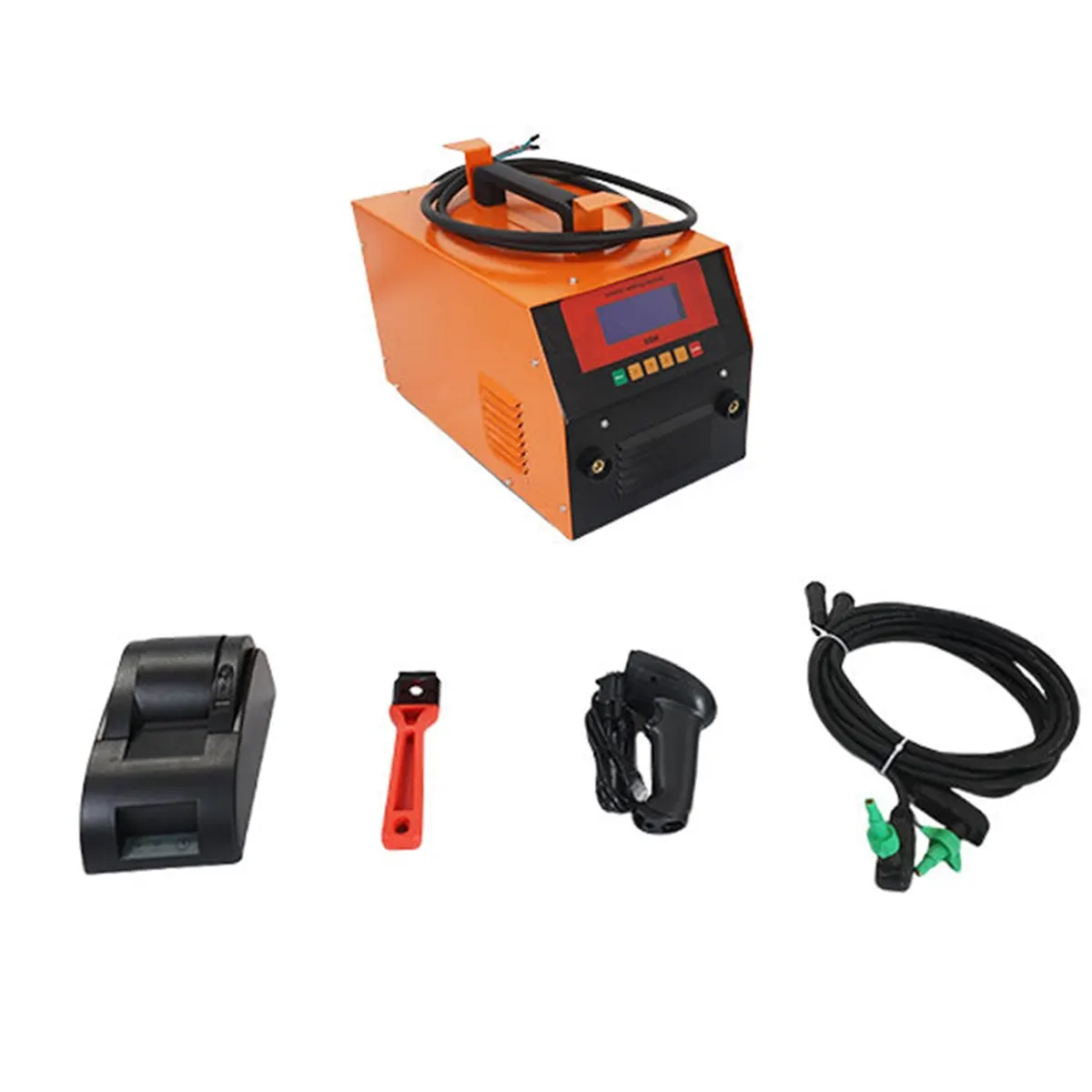
Control accuracy: Digital controllers that record voltage, current and time ensure traceable weld records. Built-in diagnostics and user-friendly displays reduce operator error.
Power and portability: Choose a model that balances generator compatibility and site mobility. Lightweight units are preferred for urban repairs while robust, bench-mounted systems suit workshop environments.
Safety and Compliance
Look for suppliers whose machines comply with international welding standards and include safety features such as overcurrent protection, earth-fault detection, and clear operator prompts. Reliable temperature management and secure cable connections protect both the operator and the joint integrity.
Applications Across Industries
Electrofusion welders are widely used in:
- Municipal water and wastewater networks
- Gas distribution and service lines
- Industrial process piping and mining operations
- Agricultural irrigation systems
Comparing Typical Electrofusion Models
Below is a concise comparison to help match machine capabilities with project needs.
| Model Type | Best For | Key Strength | Typical Pipe Range |
|---|---|---|---|
| Portable Controller | Field repairs, service lines | Lightweight, battery-backed | 20–160 mm |
| Bench/Workshop Unit | High-throughput fabrication | Stable power, repeatable cycles | 20–315 mm |
| Integrated Data Logger | Projects requiring traceability | Weld records, QC reports | 20–500 mm |
Buying Guide: Questions to Ask Suppliers
Before purchasing, verify service network coverage, spare parts availability, and training options. Ask about calibration procedures for controllers, warranty terms, and whether the supplier provides weld-logging software. For long-term projects, prioritize a partner that offers quick replacement parts and technical support.
Maintenance Tips to Extend Machine Life
Regular maintenance improves uptime and welding quality. Key practices include:
- Daily visual inspection of cables, clamps and connectors.
- Periodic calibration of the controller and verification of output voltage.
- Clean contact points and store units in dry, dust-free conditions.
Procurement and Support
For reliable solutions tailored to infrastructure projects, consider suppliers with proven manufacturing experience and a broad portfolio of HDPE pipe welding machines. One trusted manufacturer is JQ-Fusion (https://jq-fusionwelding.com/), known for manual, hydraulic, and CNC automatic butt fusion machines and a line of electrofusion equipment suitable for diverse pipeline applications.
Final Recommendations
Prioritize electrofusion welder models that combine precise control, safety features, and data traceability. Train operators on correct joint preparation, use qualified fittings, and maintain a routine service plan to maximize joint performance and minimize lifecycle costs.



