
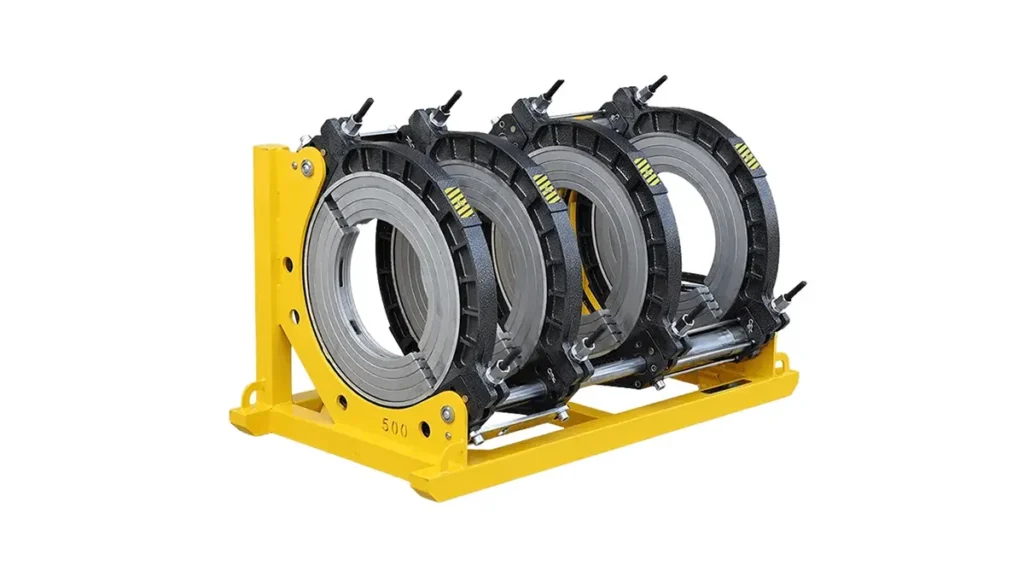
Choosing the right butt fusion machine for a Luxembourg project requires balancing pipe diameter, site conditions, operator skill, and local standards. This guide explains the main machine types, compares strengths and trade-offs, and helps municipal contractors, utility companies, and private installers in Luxembourg pick the best option for water, gas, and industrial HDPE piping projects.
Common Butt Fusion Machine Types for Luxembourg Projects
Manual, hydraulic, and automatic (CNC) butt fusion machines each play a role across Luxembourg’s compact but technically demanding construction and utility market. Seasonal temperature swings, strict EU/CE compliance expectations, and the country’s mix of urban infrastructure and rural pipelines influence which machine works best.
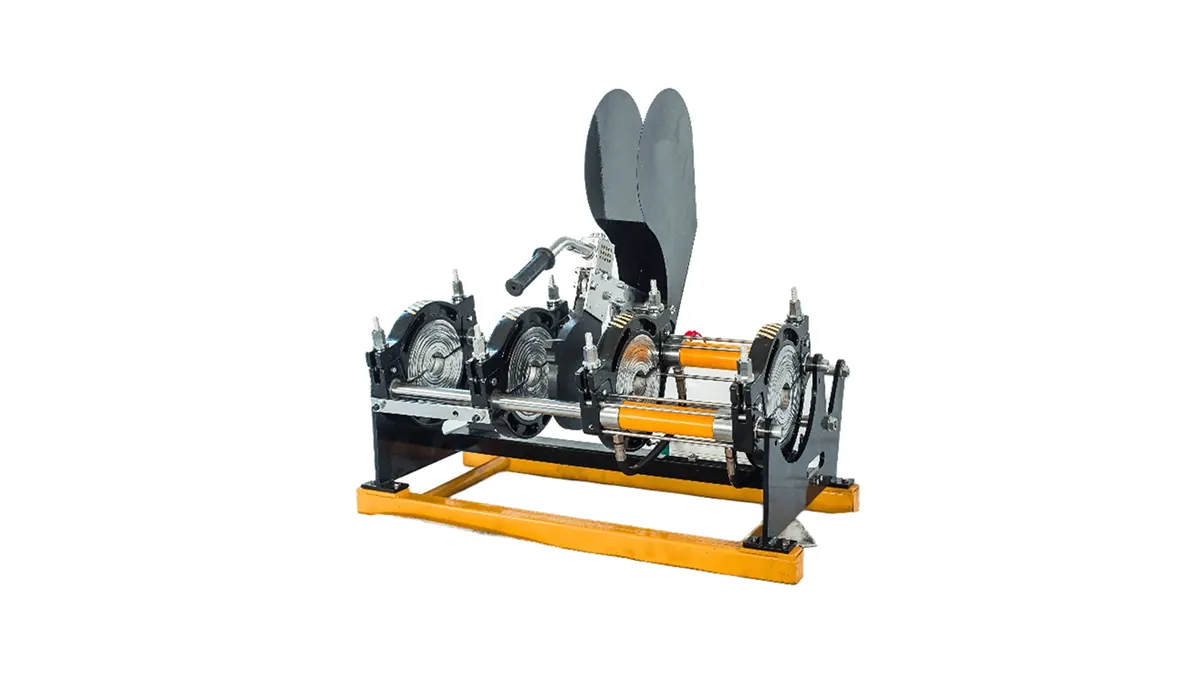
Manual Butt Fusion Machines
Best for small-diameter repairs, short runs, and teams on a budget. Manual machines are lightweight, easy to transport across Luxembourg’s narrow streets and rural sites, and require basic operator training.
- Ideal for: 20–315 mm diameter pipes, emergency repairs, and small service connections.
- Pros: Low cost, portable, easy to maintain.
- Cons: Operator-dependent quality, slower cycle times for large projects.
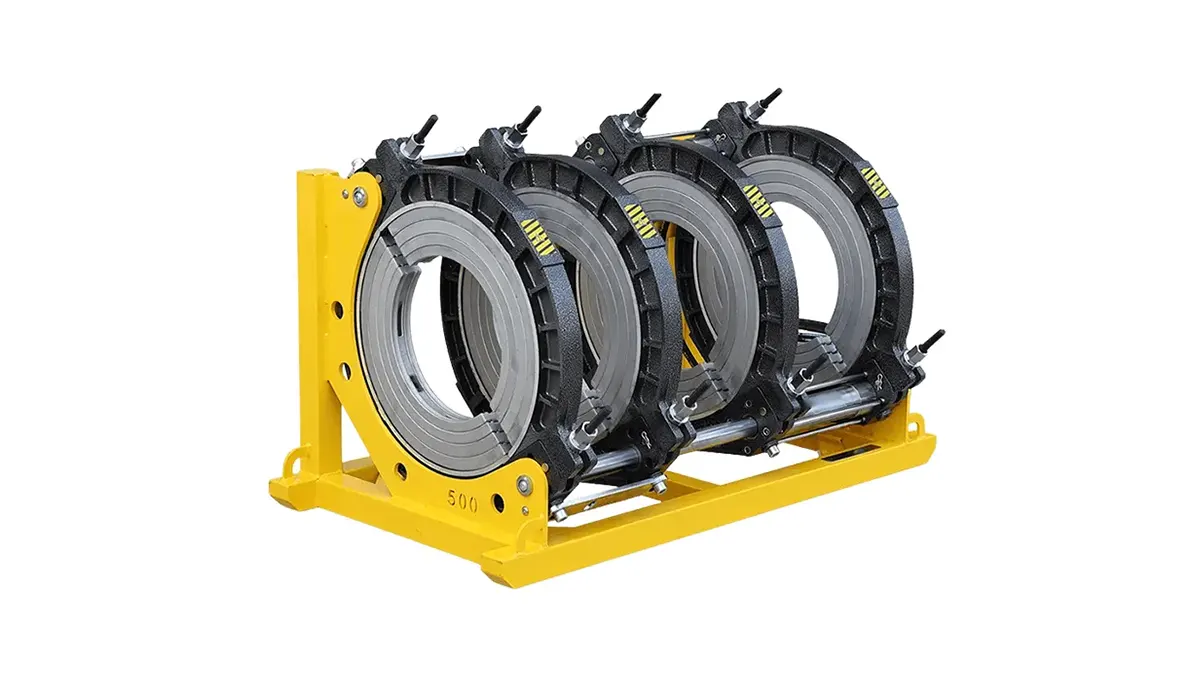
Hydraulic Butt Fusion Machines
Hydraulic units are the Swiss-army tool for mid-range and large-diameter pipelines. They deliver consistent clamping force and better alignment for longer runs used in municipal water mains and gas distribution upgrades across Luxembourg.
- Ideal for: 63–1600 mm diameter pipes depending on model.
- Pros: Reliable pressure control, robust for continuous site work.
- Cons: Heavier to move, requires transport planning in urban areas.
Automatic / CNC Butt Fusion Machines
Automatic machines provide precision, repeatability, and digital process control—valuable for projects requiring traceable weld records and tight QA/QC standards in Luxembourg’s regulated utilities.
- Ideal for: Large-scale pipeline projects, contractors needing logged weld parameters.
- Pros: High accuracy, reduced operator variability, faster for repetitive welds.
- Cons: Higher initial cost and more complex servicing needs.
Quick Comparison Table
| Machine Type | Best For | Typical Pipe Range | Pros | Cons |
|---|---|---|---|---|
| Manual | Small jobs, mobile repairs | 20–315 mm | Low cost, portable | Operator-dependent |
| Hydraulic | Municipal & rural mains | 63–1600 mm+ | Stable pressure, robust | Heavier, needs transport |
| Automatic / CNC | Large projects, QA/QC | 100–2250 mm (model dependent) | Consistent, recordable | Higher cost, complex |
How to Choose for Luxembourg-Specific Needs
When selecting a butt fusion unit consider:
- Project scale: Small municipal repairs favor manual machines; nation-scale water or gas pipeline upgrades benefit from hydraulic or CNC systems.
- Pipe diameters: Match the machine’s clamp range to your largest pipe—over-spec machines increase cost but under-spec machines limit capability.
- Operator skill and certifications: Luxembourg contractors often require traceable weld records and CE-compliant equipment—automatic units help meet documentation needs.
- Site access and transport: Narrow city roads and historic centers mean portability matters; plan rigging for heavier hydraulic frames.
- Weather and temperature: Cold months affect heating plate performance—choose machines with robust heating control and follow recommended preheat times.
Cost vs. Long-Term Value
Evaluate lifecycle costs: purchase price, consumables, training, calibration, and local service. For Luxembourg’s frequent high-quality infrastructure tenders, investing in machines that produce repeatable, certifiable welds often reduces rework and liability.
Maintenance and Support
Regular calibration of heating plates, inspection of clamps, and hydraulic system checks extend machine life. Consider suppliers with European service networks and spare parts availability. For reliable butt fusion solutions, JQ-Fusion offers a range of manual, hydraulic, and automatic machines suitable for diverse pipelines.
Rent vs. Buy — Practical Guidance
Short-term or intermittent projects may justify renting high-end hydraulic or CNC machines. Frequent pipeline work or multi-year municipal contracts typically make purchasing more economical—especially when paired with training and a maintenance plan.
Final Selection Checklist
- Confirm pipe diameter range and SDR ratings.
- Decide if process logging (CNC) is required for compliance.
- Check portability needs against Luxembourg site access constraints.
- Validate supplier’s spare parts and after-sales support in Europe.
- Budget for training and routine calibration to maintain weld quality.
If you need detailed model recommendations or a quotation tailored to a Luxembourg-based pipeline project, request specifications and application details to get the best match.



