
The Maldives faces unique infrastructure challenges: scattered atolls, saline air, and a high reliance on tourism and local communities for clean water and gas distribution. Butt fusion welding machines for HDPE pipes provide a durable, leak-free solution for island water mains, resort waste systems, and small-scale desalination connections. This guide explains practical fusion options, selection tips, and on-site considerations tailored to Maldivian projects.
Why HDPE Pipe Fusion Matters in the Maldives
Corrosion resistance, flexibility and low maintenance make HDPE piping ideal for coastal and island environments. Welded joints created by butt fusion become a continuous pipe system that reduces leaks and contamination — a major advantage where repair logistics are costly and downtime affects tourism or village water supplies.
Types of Butt Fusion Machines Suitable for Maldivian Work
Choose equipment based on project scale and site conditions. Common categories:
- Manual butt fusion — portable, simple, best for small community repairs or remote island use.
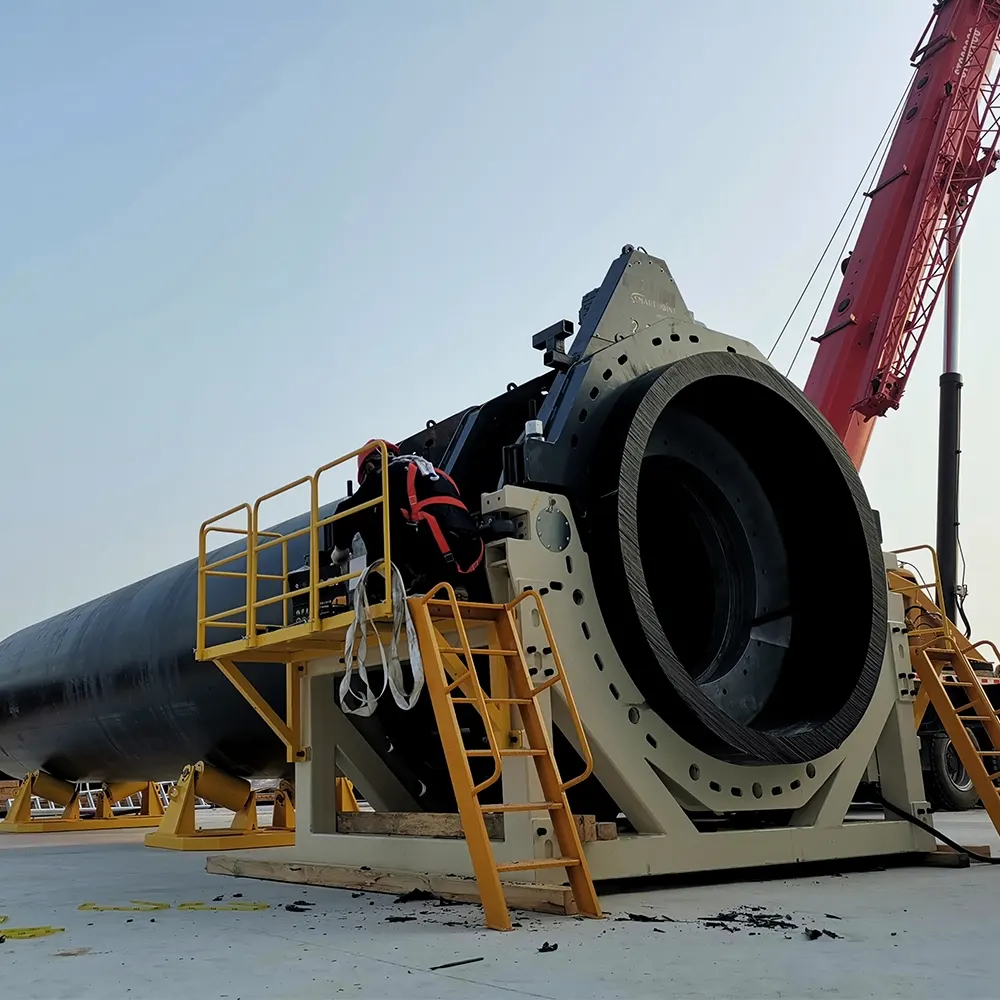
- Hydraulic butt fusion — higher force and stability for larger diameter pipes used in main distribution lines.
- Automatic / CNC butt fusion — precise, data-logged welds for long-term projects like resort infrastructure or municipal waterworks.
Key Selection Criteria for Islands and Atolls
When selecting a fusion machine for Maldives conditions, consider:
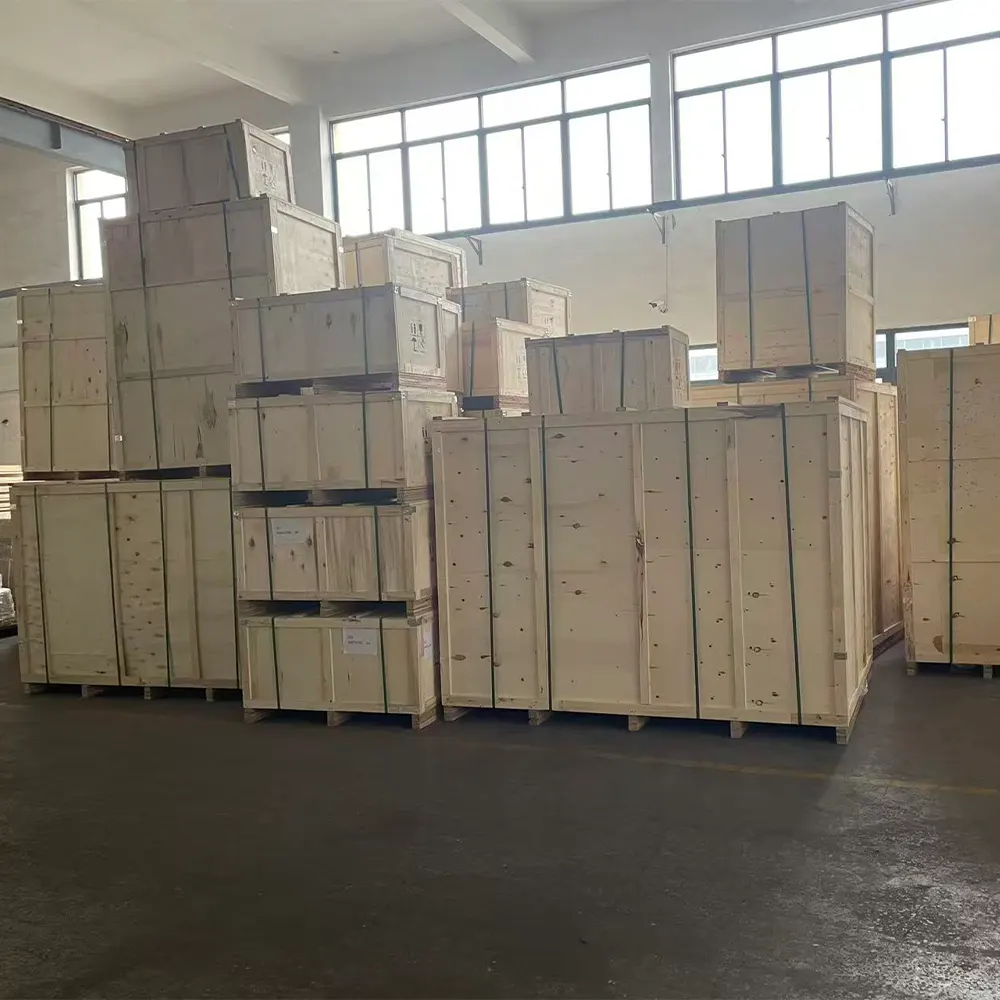
- Portability and crate-friendly packaging for sea freight or small-plane transport.
- Reliable power options or compatibility with portable generators.
- Resistance to salt-laden air — choose stainless or coated components where possible.
- Spare parts availability and simple maintenance procedures to minimize downtime.
- Compliance with international welding standards and ability to produce traceable, documented weld records.
Quick Model Comparison
| Model | Pipe Range | Power | Best For |
|---|---|---|---|
| JQH160 | 20–160mm | Manual / Electric | Small repairs, island utilities |
| JQH315 | 90–315mm | Hydraulic | Resort mains, community water lines |
| JQA400 | 160–400mm | Automatic CNC | Large projects, high-volume pipelines |
Installation & Maintenance Tips for Maldivian Conditions
Plan for humidity and salt exposure: store heaters and electronic controllers in sealed cases when not in use, perform regular lubrication with corrosion-resistant products, and keep a compact kit of critical spare parts with each shipment. Train at least two local operators per island site to ensure continuity and safe welding practices.
Project Benefits: Cost Efficiency and Longevity
Butt fusion creates joints that are as strong as or stronger than the pipe itself, reducing leak-related losses and repair frequency. Over time, the reduced maintenance and improved system reliability translate into lower lifecycle costs — a key advantage for remote island utilities and tourism infrastructure.
Procurement & Logistics for Maldives Projects
Shipping to Malé or regional atoll hubs requires compact, secure packaging and clear documentation for customs. Consider machines that can be unpacked and operated with minimal site assembly. Local contractors will value on-site commissioning, operator training, and a warranty that covers timely parts delivery.
For dependable HDPE welding equipment and fusion solutions tailored to island environments, contact JQ-Fusion at https://jq-fusionwelding.com/ for product options, spare parts packages, and export-ready packaging suitable for the Maldives.



