
HDPE pipe jointing is a cornerstone of modern Canadian infrastructure — from municipal water mains and gas distribution to mining and remote industrial projects. Reliable butt fusion equipment ensures long-lasting, leak-free welds in cold climates and varied site conditions. This guide helps engineers, contractors, and procurement teams in Canada choose the right HDPE pipe jointing machines and ensures consistent performance on every job.
Why Butt Fusion Is Preferred for Canadian Projects
Durability and integrity: Butt fusion creates homogenous joints with strength equal to or greater than the base pipe, making it ideal for pipelines that must withstand freeze-thaw cycles, ground movement, and high-pressure service.
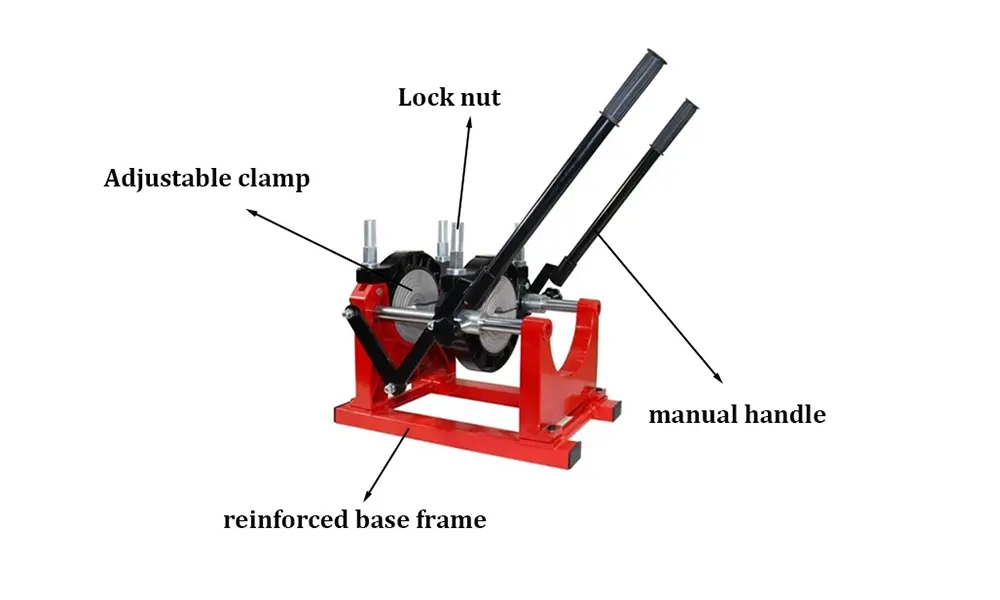
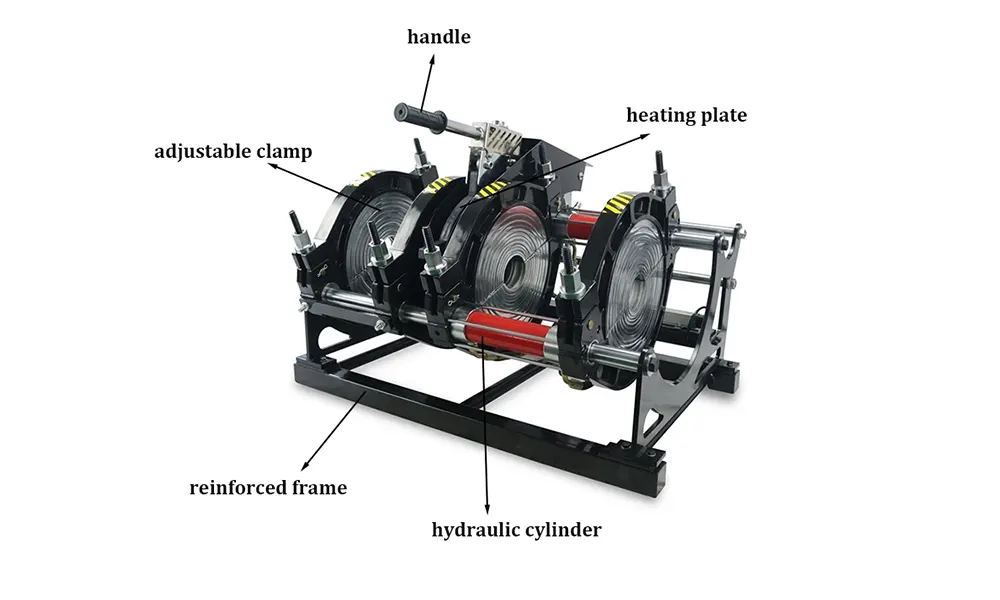
Versatility on-site: Manual, hydraulic, and CNC automatic butt fusion machines cover the full range of pipe diameters used across Canada — from municipal 63–250 mm supplies to large-diameter transmission lines used in energy and mining.
Key Features to Look For in Pipe Jointing Machines
Ease of transport and setup: Lightweight frames, modular clamps, and quick-connect hydraulic units reduce mobilization time for remote Canadian sites.
Precise temperature and pressure control: Consistent heating plate performance and accurate pressure monitoring are essential for repeatable weld quality in sub-zero conditions.
Serviceability and spare parts availability: Machines designed for easy maintenance and with available spare parts across time zones minimize downtime.
Quick Comparison — Machine Types
| Machine Type | Typical Pipe Range | Best For | Key Benefit |
|---|---|---|---|
| Manual Butt Fusion | 20–315 mm | Urban repairs, small-scale installs | Portable and cost-effective |
| Hydraulic Butt Fusion | 160–1600 mm+ | Large mains, industrial pipelines | High force, stable welds |
| CNC Automatic Systems | 63–800 mm (varies) | High-volume projects, quality control critical jobs | Automated cycles and traceable weld logs |
Meeting Canadian Standards and Site Needs
Codes and approvals: Look for equipment that supports CSA and ISO welding procedures and provides traceable weld reports to satisfy municipal or provincial audit requirements.
Cold climate performance: Heated shelters, insulated heating plates, and practice weld parameters for low ambient temperatures improve first-pass acceptance rates on northern projects.
Remote and rugged sites: Machines that tolerate dusty, wet, or uneven terrain and those with field-serviceable electronics are particularly valuable for oil & gas and mining operations in Canada.
On-site Support, Training & Warranty
Operator training: Certified training sessions on butt fusion technique, machine calibration, and documentation are essential for consistent weld quality and safer crews.
Local support networks: Canadian contractors benefit from suppliers with regional distributors, stocked spare parts, and responsive technical hotlines to reduce downtime during critical pipeline campaigns.
Installation & Safety Tips for Canadian Crews
Pre-weld checks: Verify clamp alignment, clean pipe ends, and allow equipment to reach stable operating temperature before starting the fusion cycle.
Environmental controls: Use windshields or heated tents in extreme cold and monitor ambient conditions when performing qualification welds.
Documentation: Keep digital or printed weld logs including pressure, temperature, and fusion time for quality assurance and regulatory compliance.
Selecting a Supplier in Canada
Evaluate product range: Choose manufacturers offering manual, hydraulic, and automatic options so you can match tools to each job rather than compromise performance.
Check references: Look for proven track records on Canadian municipal, industrial, or energy projects and request sample weld data.
For tailored machine options, spare parts support, and training resources suited to Canadian conditions, visit JQ-Fusion.



