
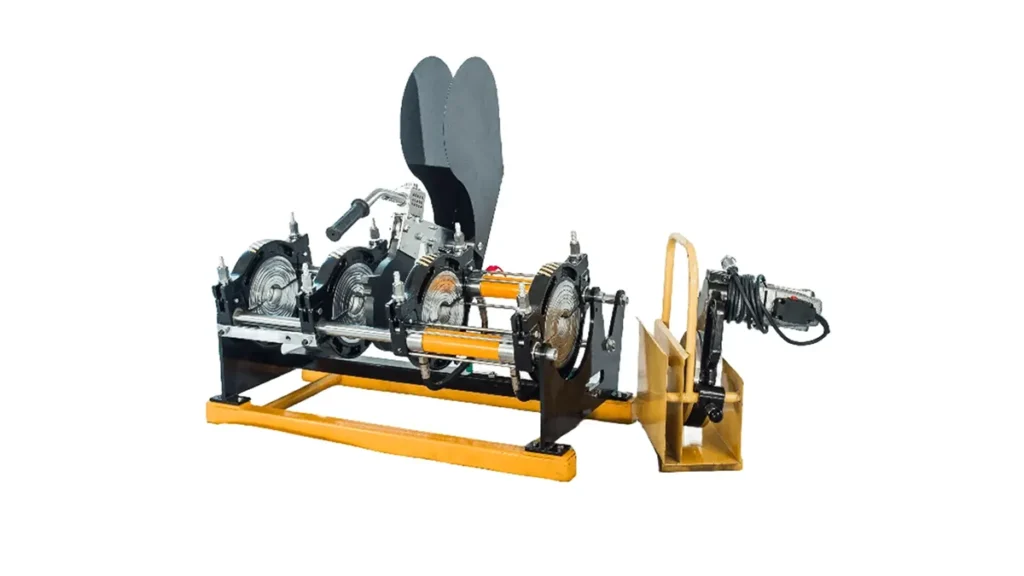
Plastic pipe welding equipment is the backbone of reliable HDPE and PE pipeline construction. Whether you work on water supply, gas distribution, mining, or industrial systems, understanding the common risks and applying best-practice safety tips can dramatically reduce weld failures, downtime, and expensive rework.
Common Risks with Plastic Pipe Welding Equipment
Recognizing hazards early helps teams prevent accidents and ensure consistent joint strength. Below are the most frequent risks encountered on-site:
- Incorrect machine setup — misalignment, wrong clamp selection or incorrect heating plate temperature.
- Contaminated surfaces — dirt, moisture, or residual oils on pipe ends reduce fusion quality.
- Operator error — poor trimming, inadequate alignment or skipping cooling times.
- Power or heater failure — unstable power supplies and worn heating plates cause uneven fusion.
- Poor maintenance — worn jaws, damaged heaters, or inaccurate thermometers undermine weld integrity.
- Environmental factors — dust, wind, cold or hot ambient temperatures impact welding consistency.
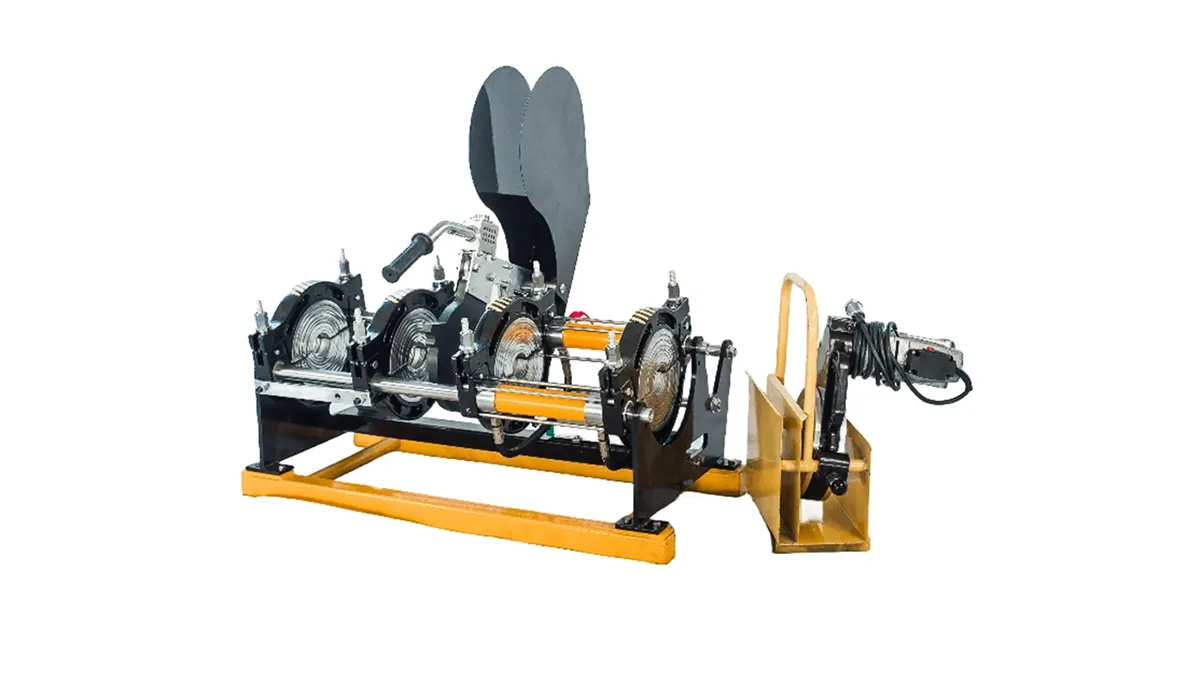
Risk Matrix: Likelihood vs Impact
| Risk | Likelihood | Impact |
|---|---|---|
| Incorrect machine setup | High | High |
| Contaminated pipe ends | Medium | High |
| Power/heater instability | Medium | Medium |
| Operator error | High | High |
Practical Safety Tips for Operators
Safety starts before you switch on the machine. Use these on-the-job steps to protect people and ensure weld quality:
- Pre-job inspection: Check clamps, heater plates, hydraulic hoses, and the control display for defects.
- Clean and dry pipe ends: Remove dirt, moisture and oxides. Use proper scrapers and pipe trimmers.
- Verify temperatures: Calibrate thermometers and confirm heating plate set points match material specifications.
- Establish a safe work zone: Keep bystanders away, mark hot surfaces and use PPE — heat-resistant gloves, safety glasses, and protective boots.
- Lockout and tagout: For maintenance and heater replacement, isolate power and label the equipment.
- Monitor environmental conditions: In extreme cold or heat, adjust cycle times and provide shielding if necessary.
Quick Checklist (Before Every Weld)
- Machine aligned and stable
- Pipe ends trimmed and cleaned
- Heating plate clean and pre-heated to correct temperature
- Hydraulics leak-free and pressure checked
- Operator trained and PPE in use
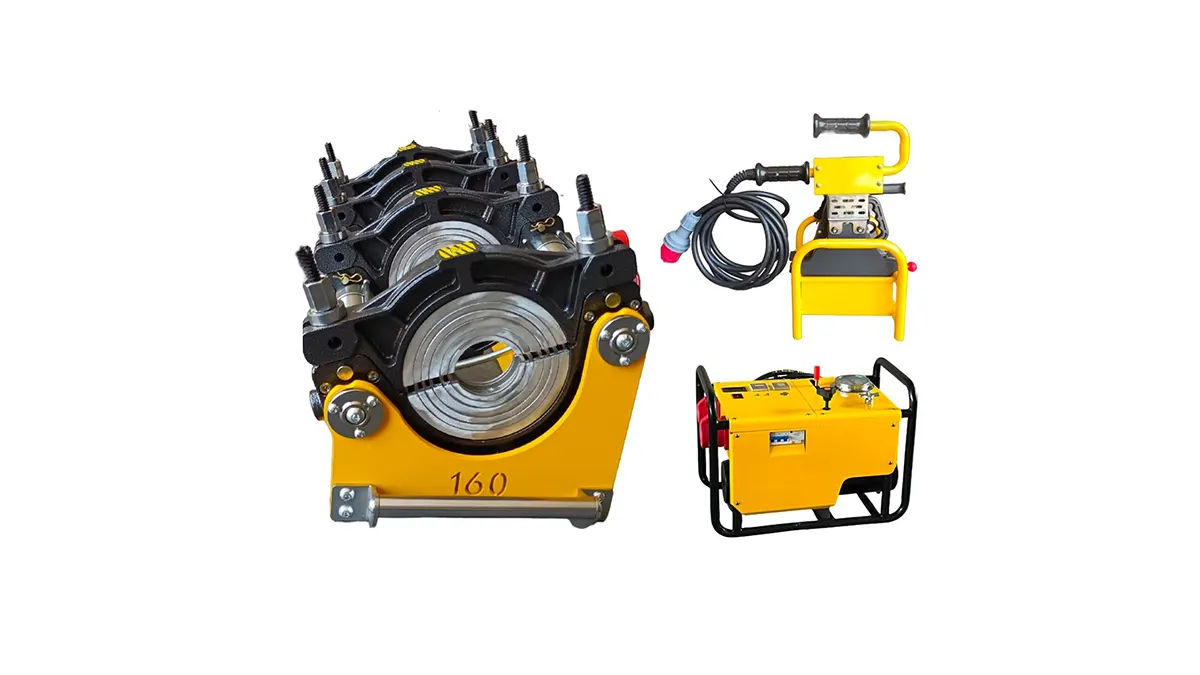
How to Avoid Welding Failures: Process Controls
Weld consistency relies on disciplined process control. Implement these steps to reduce the risk of joint failures:
- Standardize procedures: Use written fusion procedures that specify alignment tolerances, heater temperature, pressure and timing for each pipe material and diameter.
- Precision alignment: Ensure pipe ends are concentric and clamps are parallel; use alignment gauges for large diameters.
- Controlled heating and fusion: Apply and maintain the correct heater temperature and fusion pressure. Avoid guessing — follow machine prompts and documented cycles.
- Controlled cooling: Allow adequate cooling time under pressure. Premature handling causes weak joints.
- Record keeping: Keep logs of temperatures, pressures and operator sign-off for traceability and warranty claims.
Maintenance & Inspection Best Practices
Routine maintenance keeps equipment reliable and extends service life. Follow a planned maintenance schedule:
- Clean and inspect heater plates after each shift; use manufacturer-approved cleaners and avoid abrasive tools.
- Replace worn jaws, seals and hoses promptly.
- Calibrate temperature sensors and pressure gauges quarterly or per service hours.
- Store portable machines in dry, covered areas and protect electrical control units from moisture.
Training, Certification & Quality Assurance
Invest in operator training and certification. Certified welders produce consistent, verifiable welds and reduce rework. Implement third-party weld testing or destructive testing on sample joints during commissioning or after major repairs.
Choosing the Right Equipment for Your Project
Select machines based on pipe diameter, wall thickness and project scale. For contractors working across diverse projects, a combination of manual, hydraulic and CNC automatic butt fusion machines ensures flexibility. Consider machines with clear logging functions and robust service support.
About the manufacturer: JQ-Fusion is a professional manufacturer specializing in HDPE pipe welding machines, providing reliable butt fusion solutions for global infrastructure projects. Visit JQ-Fusion for product specifications and service options.
Final point: Consistent setup, disciplined process control, routine maintenance and trained operators form the foundation of safe, defect-free plastic pipe welding. Apply these checks every day to protect crews and guarantee durable pipeline performance.



