
Poland’s energy and infrastructure sectors are expanding rapidly, and demand for reliable gas line welding equipment is growing across municipal utilities, gas distributors, and construction contractors. Choosing the right gas line welder ensures long-term pipeline integrity, regulatory compliance, and safe service delivery for residential and industrial customers throughout Poland.
Gas Line Welder Manufacturer in Poland: What to Look For
Performance and precision: Gas pipelines require high-integrity joints. Look for machines that deliver consistent heating, precise fusion control, and reproducible cycles for HDPE and other thermoplastic pipes.
Safety and certification: Compliance with European and Polish standards is essential, especially for operators and inspectors working on natural gas distribution networks. Machines with clear calibration and documented welding reports help meet audit requirements.
Serviceability in local climate: Polish weather ranges from cold winters to humid summers. Choose welders with rugged components, easy maintenance, and parts availability to reduce downtime on remote job sites.
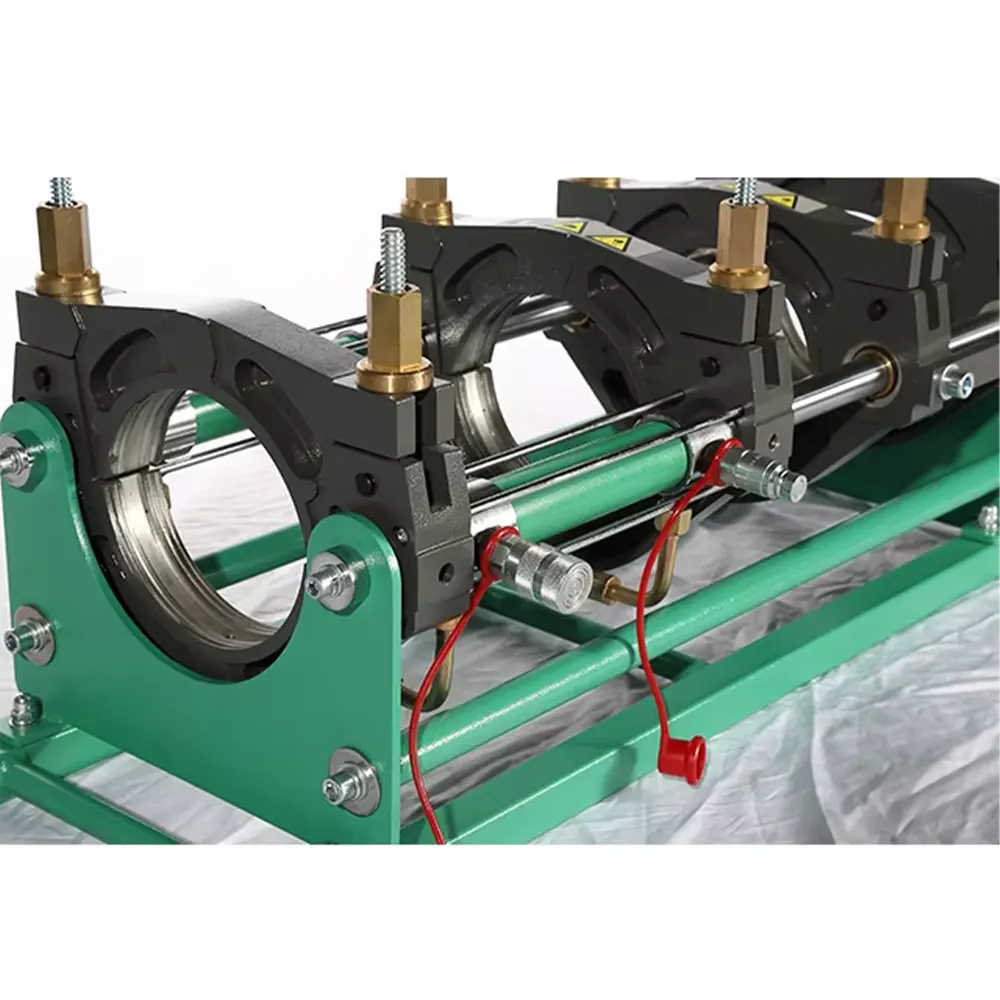
Types of Welders Suited for Gas Distribution in Poland
Manual butt fusion machines — Ideal for small repair teams and urban distribution networks. Portable and low-cost, they are widely used by municipal crews for routine maintenance.
Hydraulic butt fusion machines — Preferred for medium to large diameter pipes used in regional gas transmission and industrial sites. They provide stable clamping force and smoother operations in continuous work.
Automatic/CNC butt fusion machines — Recommended for contractors handling large-scale pipeline projects or repetitive welding tasks. These units offer higher throughput, welding logs, and reduced operator variability.
Local Considerations for Polish Operators
Polish gas companies and contractors often face mixed terrains — urban retrofit zones, agricultural land, and industrial estates. Mobility, quick setup, and reliable power options (including portable generator compatibility) make a difference on-site. Additionally, training in Polish-language manuals and after-sales support within the EU time zone simplifies project planning and compliance.
Key Specifications to Compare
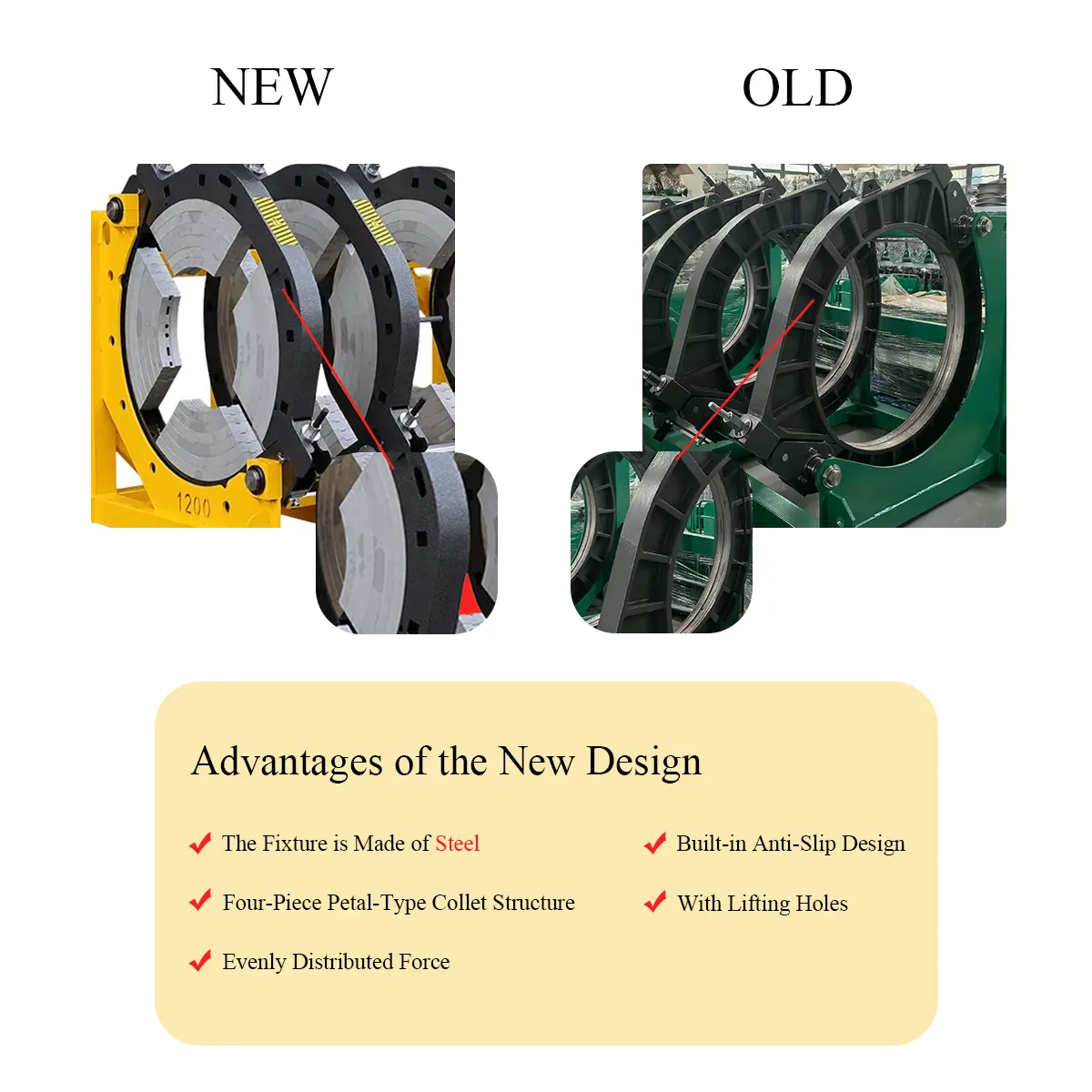
When evaluating gas line welders, compare clamping capacity, pipe diameter range, hydraulic system reliability, heater plate accuracy, and digital control features. Warranty, spare part lead times within the EU, and on-site commissioning options also affect total project cost and schedule.
Product Comparison Table
| Model | Type | Pipe Range | Key Feature | Best For |
|---|---|---|---|---|
| Compact Manual | Manual | 20–160 mm | Portable, easy to transport | Urban repairs |
| Hydraulic Pro | Hydraulic | 160–630 mm | Stable clamping, high duty cycle | Regional distribution |
| CNC Auto | Automatic | 160–1200 mm | Welding logs, low variability | Large pipeline projects |
Installation, Training and After-Sales
Polish contractors value quick ramp-up and clear documentation. Choose suppliers that provide on-site commissioning, Polish-language guides or local training sessions, and responsive spare parts delivery within the EU. Regular calibration and maintenance programs reduce field failures and ensure safety when working with gas networks.
Why Choose JQ-Fusion
JQ-Fusion manufactures a comprehensive range of HDPE pipe welding machines — from manual to CNC automatic butt fusion units — designed for reliable, repeatable performance on gas distribution and industrial pipeline projects worldwide.
Next Steps for Polish Buyers
Evaluate project pipe sizes, daily welding volume, and whether you need portability or automation. Request technical datasheets, EU compliance documents, and local references. A short site trial or demo can confirm machine fit for your gas distribution needs and ensure a smooth commissioning process across Poland’s diverse project environments.



