
Choosing the right plastic pipe welder in Paraguay is a critical step for contractors, municipal teams, and agricultural operators who need reliable HDPE pipe joining for water supply, irrigation, and infrastructure projects. This guide explains how to match welding machines to local conditions—from urban Asunción pipelines to remote farm irrigation systems—so you get consistent, leak-free joints every time.
Understand Local Needs: Paraguay’s Working Conditions
Paraguay presents a mix of urban infrastructure projects and rural agricultural demands. In the east, high rainfall and humid conditions require corrosion-resistant equipment that performs in wet environments. In the Gran Chaco and remote ranching areas, portability and low-maintenance machines are priorities. For municipal water, sewer and irrigation networks, weld quality and traceable process controls are essential to prevent costly failures.
Primary Welding Methods for HDPE Pipes
The three common welding techniques to consider:
- Manual butt fusion – Simple, cost-effective for small crews and remote jobs.
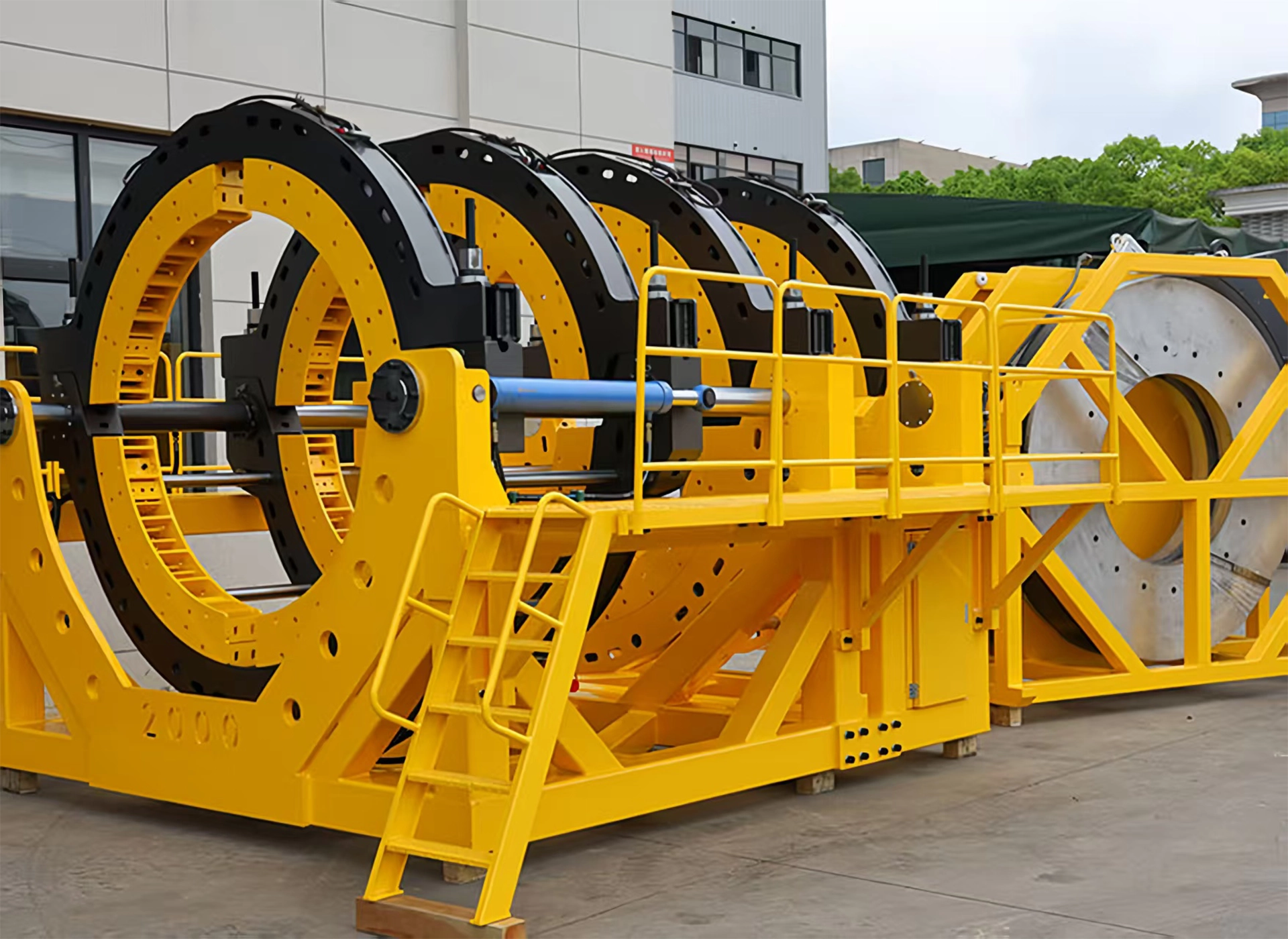
- Hydraulic butt fusion – Better for larger diameters and repetitive jobs with more consistent pressure control.
- Automatic/CNC butt fusion – High precision, ideal for long pipelines and contractor fleets in urban projects.
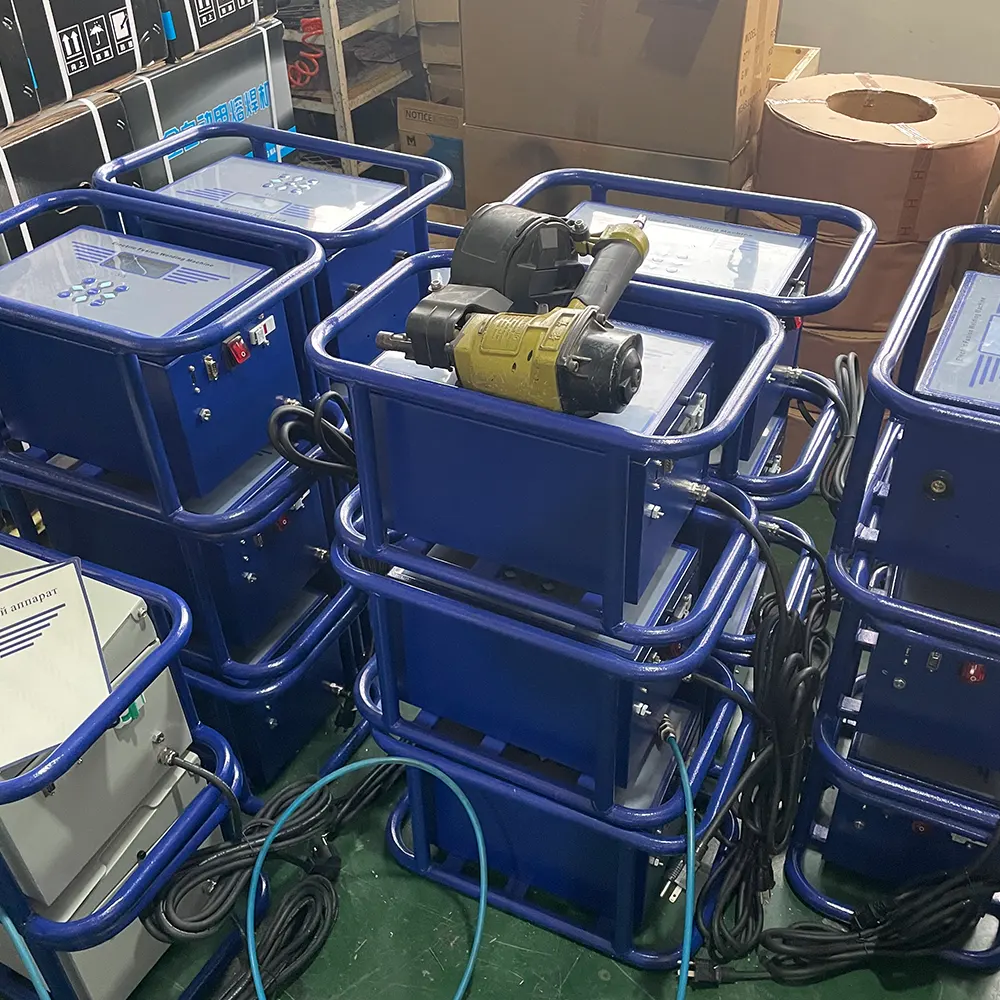
- Electrofusion – Useful for fittings and repair work; portable and easy for spot joints.
Key Selection Criteria
When evaluating plastic pipe welders for Paraguayan projects, prioritize these features:
- Pipe diameter range: Match the machine capacity to the PE pipe sizes commonly used in your project (from small service lines to large irrigation mains).
- Portability: Lightweight frames, detachable power systems, and easy setup matter for rural sites with poor access.
- Power source flexibility: Gasoline generators, three-phase grid, or battery backup options are valuable where electricity is intermittent.
- Control and traceability: Digital controls or CNC systems provide weld reports and process logs—important for municipal contracts and quality assurance.
- Durability: Machines should resist humidity, dust, and rough transport common across Paraguay’s terrain.
Quick Comparison Table: Choose by Application
| Machine Type | Best For | Typical Pipe Range | Why Choose It |
|---|---|---|---|
| Manual Butt Fusion | Rural repairs & small crews | 20mm–315mm | Low cost, easy to transport |
| Hydraulic Butt Fusion | Medium to large pipelines | 90mm–1000mm+ | Stable pressure, repeatable joints |
| Automatic/CNC Butt Fusion | Long runs, quality-focused contracts | 63mm–1600mm+ | Precise control, weld reporting |
| Electrofusion | Fittings, repairs, confined spaces | 20mm–630mm (fittings vary) | Portable, ideal for junctions |
Maintenance and Training Considerations
For operators in Paraguay, accessible service and clear training are essential. Choose machines with readily available spare parts and consider supplier-led training sessions that cover butt fusion procedure, safety, and quality checks. If work is seasonal (e.g., irrigation installation before the rainy season), plan preventive maintenance after long idle periods to avoid malfunctions in the field.
Cost vs. Value: What to Invest In
Lower-cost manual welders reduce upfront expense, but for municipal or commercial projects requiring documented weld quality, investing in hydraulic or automatic machines pays off through reduced rework and faster production. For farm cooperatives or contractors in Paraguay’s agricultural sector, the best balance is often a mid-range hydraulic unit that provides reliability without the full cost of CNC automation.
Practical Tips for Buying in Paraguay
Inspect portability features, confirm local support for electrical components, and ask about export packaging for safe transit to inland areas. Check the manufacturer’s warranty terms for operation in humid or dusty environments.
Final Recommendation
For most Paraguayan applications—from municipal waterworks in Asunción to irrigation and ranch pipelines—a robust hydraulic butt fusion machine with optional digital controls is the best all-around choice. For larger contractors working on major infrastructure, consider automatic/CNC models for higher throughput and traceable weld logs. When sourcing equipment, evaluate suppliers carefully and prioritize proven performance in similar climates.
For quality HDPE welding solutions tailored to diverse projects, consider contacting JQ-Fusion for model recommendations and support.



