
Poly fusion machines are essential for building resilient HDPE pipeline networks in Sri Lanka — from rural irrigation channels and drinking water distribution to industrial and municipal projects. This guide explains the types, advantages, and local considerations for selecting reliable plastic pipe welding solutions.
Why Butt Fusion Is Preferred for Sri Lanka’s Pipeline Projects
Butt fusion welding creates homogeneous joints that match the strength of HDPE pipes, an important factor for Sri Lanka where heavy monsoon rains, coastal salinity, and agricultural irrigation demands place extra stress on pipelines. Contractors, municipal engineers, and estate managers trust fusion methods because they deliver leak-free, corrosion-resistant connections suited to long-term infrastructure.
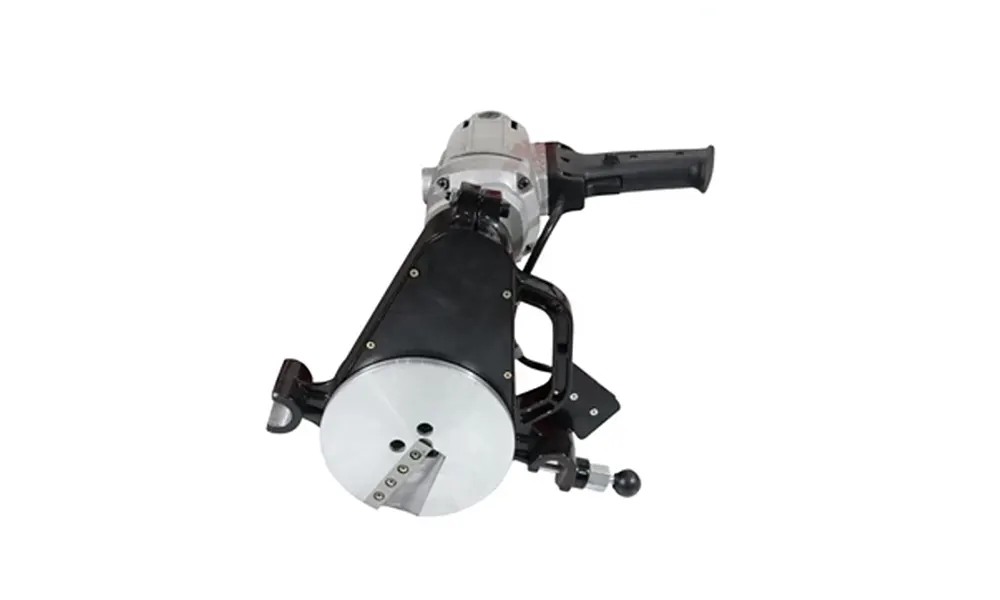
Types of Poly Fusion Machines and Typical Uses
Choosing the right machine depends on pipe diameter, project scale, site accessibility, and available skilled labor. Local projects in Sri Lanka often require a mix of portable manual units for remote tea estates and larger hydraulic or automatic systems for urban water supply works.
Manual Butt Fusion Machines
Lightweight and portable, manual units are ideal for field repairs and smaller-diameter pipes (typically up to 630mm). They are cost-effective for rural contractors and agricultural uses, such as irrigation lines in paddy fields and tea plantation water systems.
Hydraulic Butt Fusion Machines
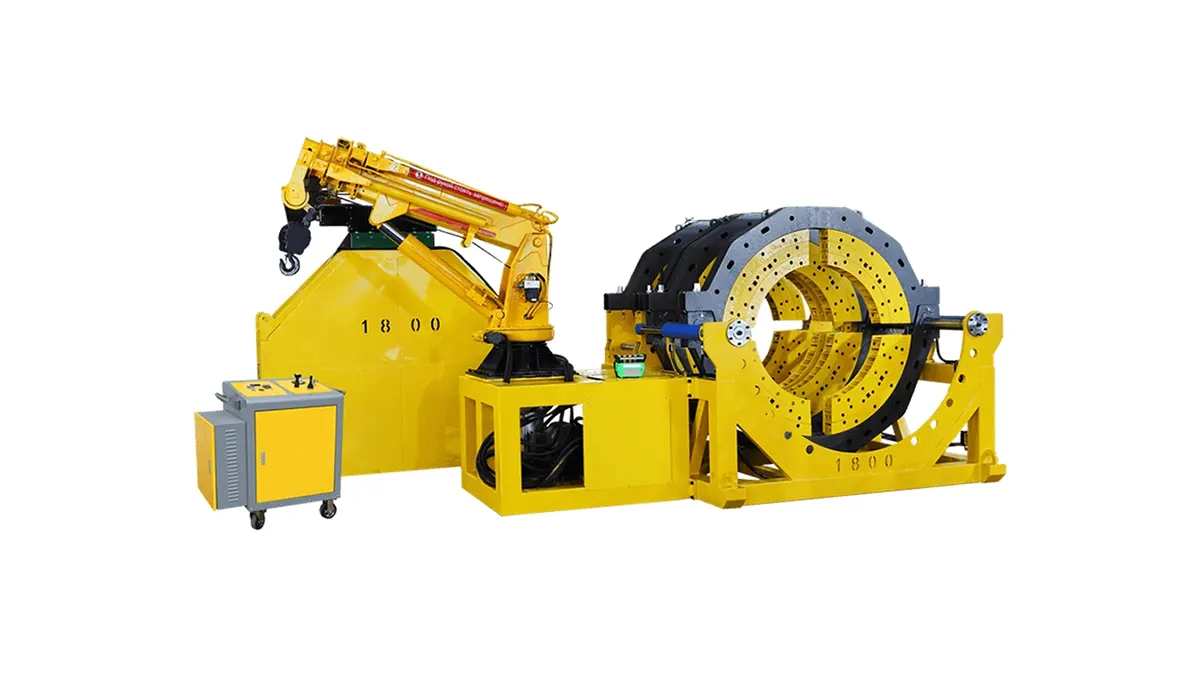
Hydraulic machines deliver higher clamping force and greater diameter capacity (often up to 2000mm or more). They are suited for large-scale municipal projects and industrial pipeline installations around Colombo, Kandy, and major development zones.
Automatic CNC Butt Fusion Machines
Automatic machines offer precise control and repeatable weld quality, useful for long runs of transmission mains and projects where documentation and high throughput are required. They reduce operator error and improve efficiency on major infrastructure contracts.
Comparison at a Glance
| Machine Type | Pipe Range | Best For | Site Tip |
|---|---|---|---|
| Manual/Portable | 16mm – 630mm | Rural repairs, small contractors | Easy transport on narrow estate roads |
| Hydraulic | 63mm – 2250mm+ | Municipal mains, large projects | Requires flat staging area for stability |
| Automatic (CNC) | 20mm – 1250mm+ | High-volume production, standards-driven work | Good for factory or controlled-site welding |
Local Considerations for Sri Lankan Buyers
- Weather and environment: Choose machines and heating elements that tolerate humidity and salty coastal air to avoid corrosion.
- Site access: For hilly tea estates and narrow rural roads, compact manual or modular hydraulic units are easier to deliver and deploy.
- Operator training: Invest in training for local technicians — proper fusion technique ensures long-lasting joints, reducing costly future repairs during monsoon seasons.
- Spare parts & service: Prioritize suppliers offering timely spare parts and remote technical support to minimize downtime on critical projects.
Maintenance, Safety, and Best Practices
Regular calibration of heaters and face-trimming tools, routine inspection of clamping systems, and following manufacturer welding parameters are vital. Implementing on-site safety protocols and using certified welding logs help meet contractor and funding agency requirements for public works.
Training & Certification
Skilled operators significantly improve weld quality. Consider short certification courses focused on HDPE butt fusion, heating cycles, and joint inspection — especially valuable for Sri Lankan municipal teams and private contractors handling large irrigation and water supply projects.
Selecting a Reliable Supplier
When sourcing equipment, evaluate proven manufacturers with a track record in HDPE welding technology and the ability to provide technical documentation, spare parts, and after-sales support. One such manufacturer is JQ-Fusion, known for a range of manual, hydraulic, and automatic butt fusion machines suited to diverse project needs.
Final Tips for Procurement Teams in Sri Lanka
Match machine capacity to typical pipe diameters in your projects, budget for training and spare parts, and prefer models with simple field-servicing procedures. Properly chosen poly fusion equipment delivers long-term savings by reducing leaks, maintenance, and system downtime.



