
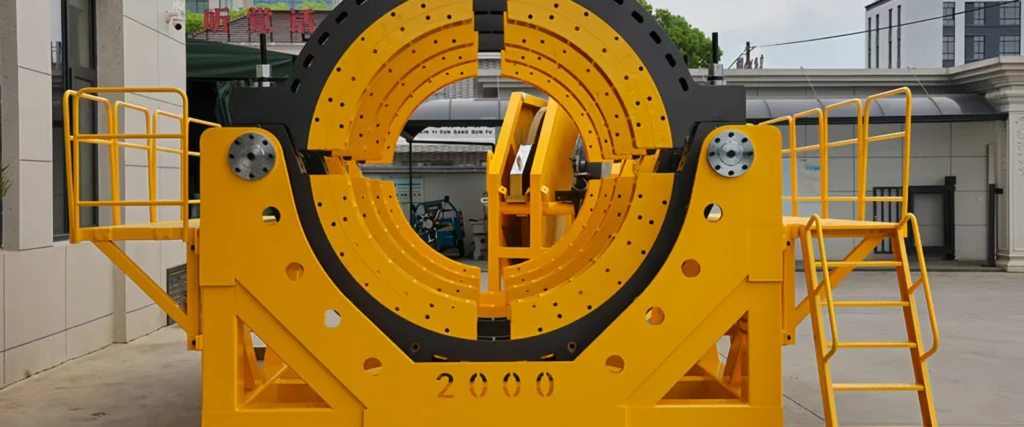
Lithuania’s infrastructure projects demand reliable, precise solutions for HDPE and poly pipe welding. Industrial contractors, municipal utilities, and trenchless installers across the Baltic region increasingly rely on butt fusion and electrofusion technologies to ensure long-lasting, leak-free pipeline systems. This article explores the strengths of modern poly pipe fusion machines, local market considerations in Lithuania, and how factory-grade equipment supports safe, efficient installations.
Why Poly Pipe Fusion Machines Matter for Lithuanian Projects
Polyethylene (PE) piping is the material of choice for water distribution, gas networks, and industrial pipelines because of its corrosion resistance and flexibility in cold climates. In Lithuania — where seasonal freeze-thaw cycles, environmental regulations, and EU standards shape procurement — high-quality fusion machines deliver consistent welds that meet regulatory and safety requirements. Reliable equipment reduces rework, shortens project timelines, and lowers lifecycle costs for public and private clients.
Key Fusion Methods: Butt Fusion and Electrofusion
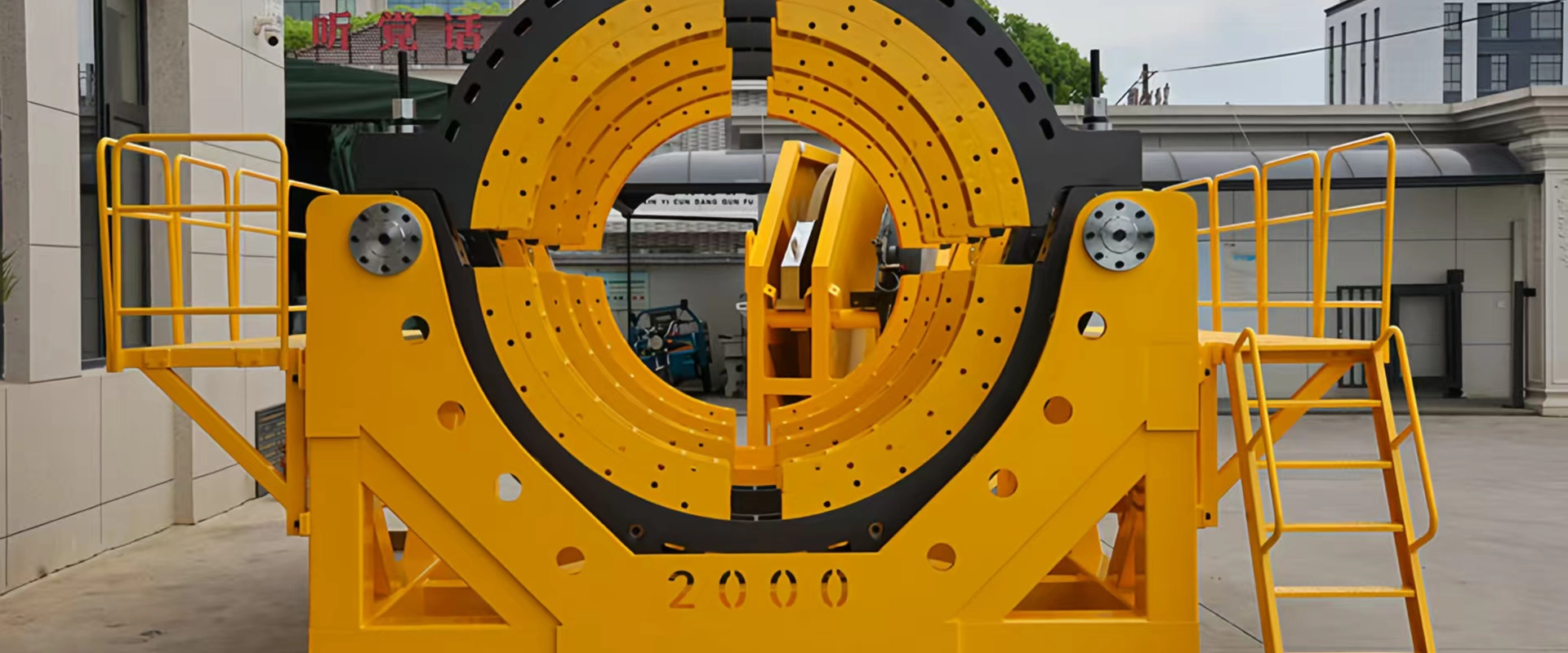
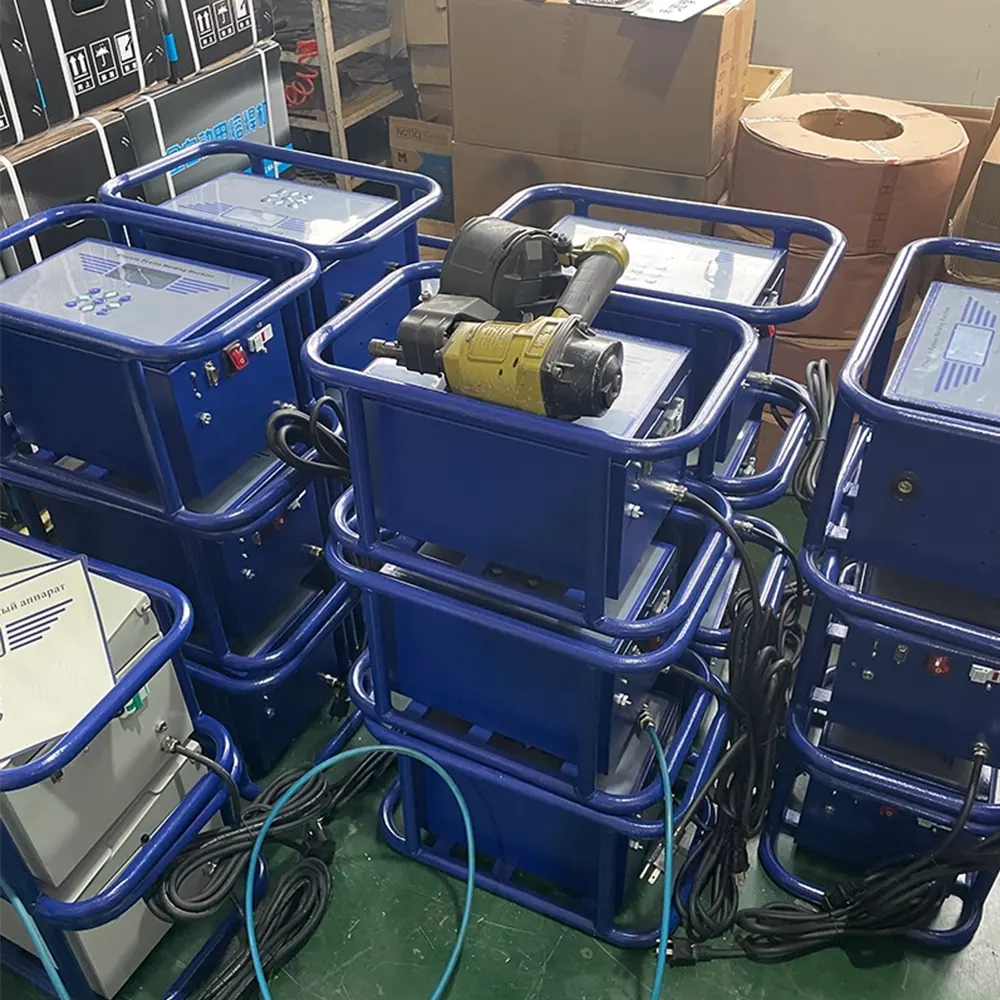
Butt fusion machines align pipe ends, heat them with a calibrated heating plate, and join them under controlled pressure — ideal for long runs of same-diameter pipe. Electrofusion uses couplers with integrated heating elements to fuse joints, offering flexibility for repairs and complex fittings. For Lithuanian contractors working on municipal water mains, district heating return lines, or agricultural irrigation systems, selecting the right method impacts installation speed and joint integrity.
Core Features to Look For
Durability, accuracy, and serviceability are critical. Look for machines with robust hydraulic systems for large diameters, CNC controls for repeatable parameters, and portable manual units for remote sites. Local service networks and responsive spare parts supply shorten downtime — particularly important in Lithuania, where winter conditions can compress outdoor work windows.
Sample Machine Comparison
| Machine Type | Pipe Range (mm) | Best For |
|---|---|---|
| Manual Butt Fusion | 20 – 630 | Small projects, repairs |
| Hydraulic Butt Fusion | 160 – 2250 | Large-diameter mains, industrial lines |
| CNC Automatic Butt Fusion | 63 – 1200+ | High-volume, precision-critical projects |
| Electrofusion Units | 20 – 400 (coupler dependent) | Repairs, fittings, complex connections |
Local Considerations: Regulations, Training, and Climate
Lithuanian contractors must comply with EU directives and national standards for potable water and gas networks. Proper operator training and adherence to fusion parameter records are often required for project acceptance. Machines with user-friendly interfaces, data logging, and multilingual displays help teams maintain documentation for audits and warranty claims. Additionally, equipment designed for cold-weather operation — with insulated hydraulic units and reliable starting systems — improves uptime during Lithuanian winters.
Applications Across Sectors
Common uses in Lithuania include municipal potable water distribution upgrades, natural gas network expansions, agricultural drainage systems, and industrial process pipelines. Multi-angle fitting machines and portable fusion units support work in tight urban corridors, while heavy-duty hydraulic welders handle large trunk lines for utilities and industrial sites.
Choosing a Factory Partner
When sourcing fusion equipment, evaluate factory certifications, quality control procedures, and after-sales support. Reliable manufacturers provide customizable solutions, spare parts availability, and training programs tailored to local crews. For more information about factory-grade butt fusion and electrofusion solutions, visit JQ-Fusion at https://jq-fusionwelding.com/.
Final Notes for Lithuanian Buyers
Investing in the right fusion machine reduces installation risks and improves the lifespan of PE pipe networks. Whether you are a contractor, utility planner, or project owner in Lithuania, prioritize machines that combine precision, durability, and local support to deliver consistent, code-compliant welds across seasons.



