
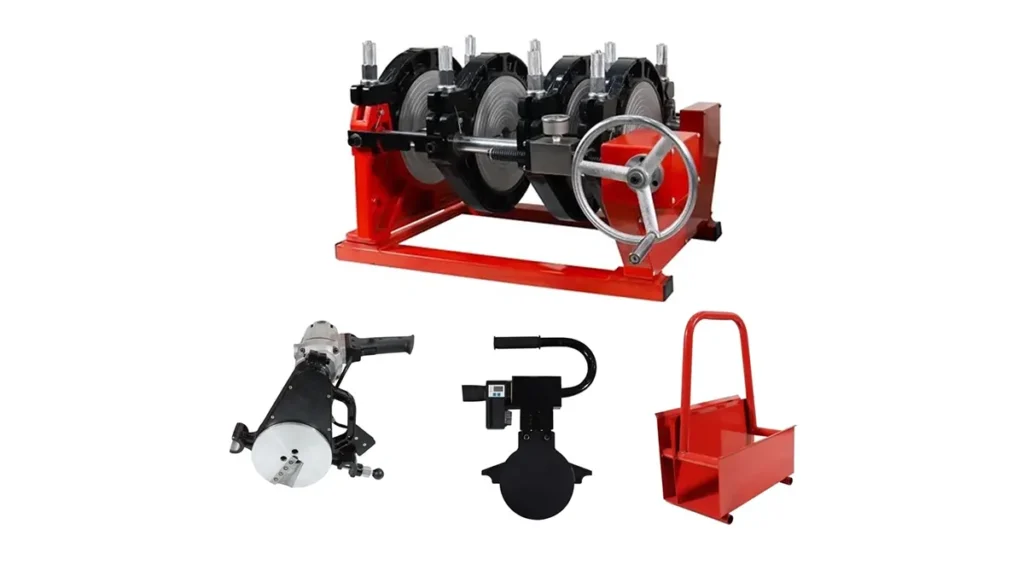
Looking for a dependable poly fusion machine supplier in Sierra Leone? Local contractors, municipal water teams, and mining operations increasingly rely on high-quality HDPE pipe welding and installation equipment to build durable, leak-free pipelines for water, gas, and industrial uses. This guide explains practical choices, on-site considerations, and why partnering with an experienced manufacturer can speed projects and reduce long-term maintenance.
Understanding HDPE Pipe Fusion for Sierra Leone Projects
Butt fusion and electrofusion are the two primary methods for joining HDPE pipes used in Sierra Leone’s rural water schemes, urban distribution networks, and mining tailings systems. Butt fusion offers fast, field-ready joints for large-diameter lines, while electrofusion provides precision connections for fittings and repairs. Choosing the right machine type affects pipeline strength, installation speed, and maintenance costs.
Key Benefits for Local Stakeholders
For municipalities and NGOs working on community water supply, reliable fusion machines reduce leak risks and deliver longer service life for distribution networks. Mining and industrial clients benefit from machines capable of handling thicker-walled, large-diameter HDPE pipes used in slurry and process lines. Contractors appreciate portable models for remote sites and automated options for repetitive, high-volume work.
Which Machine Types Work Best in Sierra Leone?
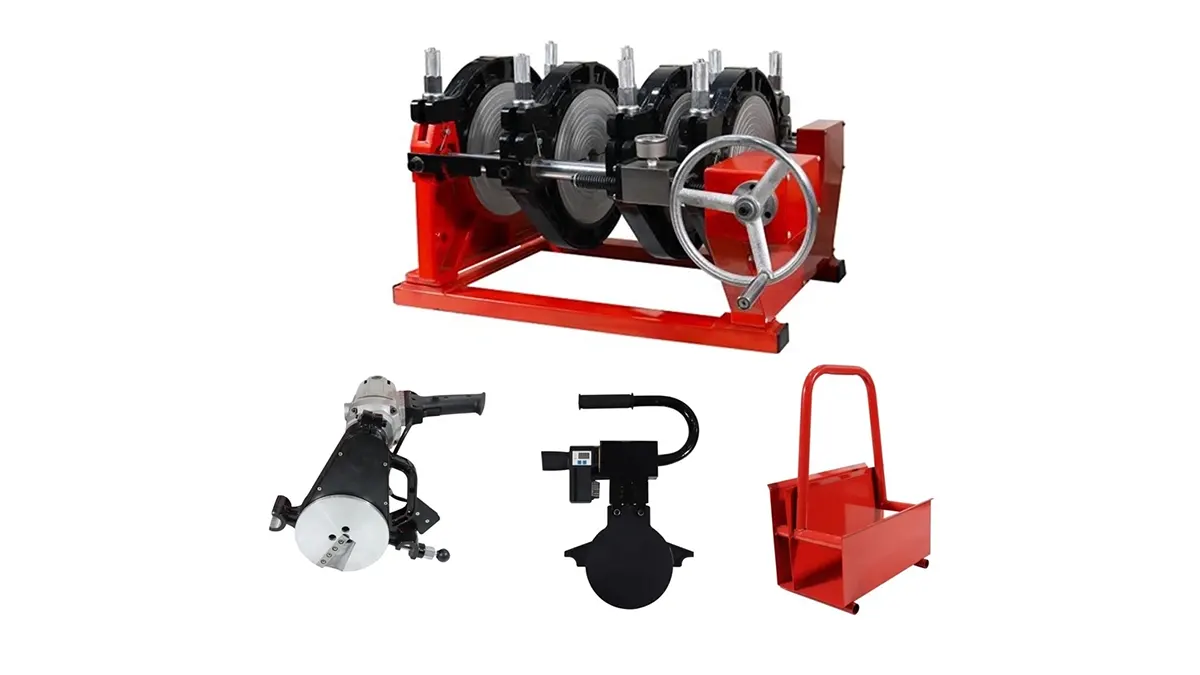
Climate, site access, and pipe diameter determine machine selection. In hot, humid environments and remote locations common in Sierra Leone, durability and ease of maintenance are critical. Portable manual machines are ideal for rural repairs and small-diameter networks, while hydraulic or CNC automatic butt fusion machines suit large-scale utility and industrial projects.
| Machine Type | Pipe Range | Best For | Local Advantages |
|---|---|---|---|
| Manual Butt Fusion | 20mm–630mm | Small networks, repairs | Portable, low-cost, easy training |
| Hydraulic Butt Fusion | 160mm–2250mm | Large distribution mains, industrial lines | High force, consistent joints, suited for heavy-duty pipelines |
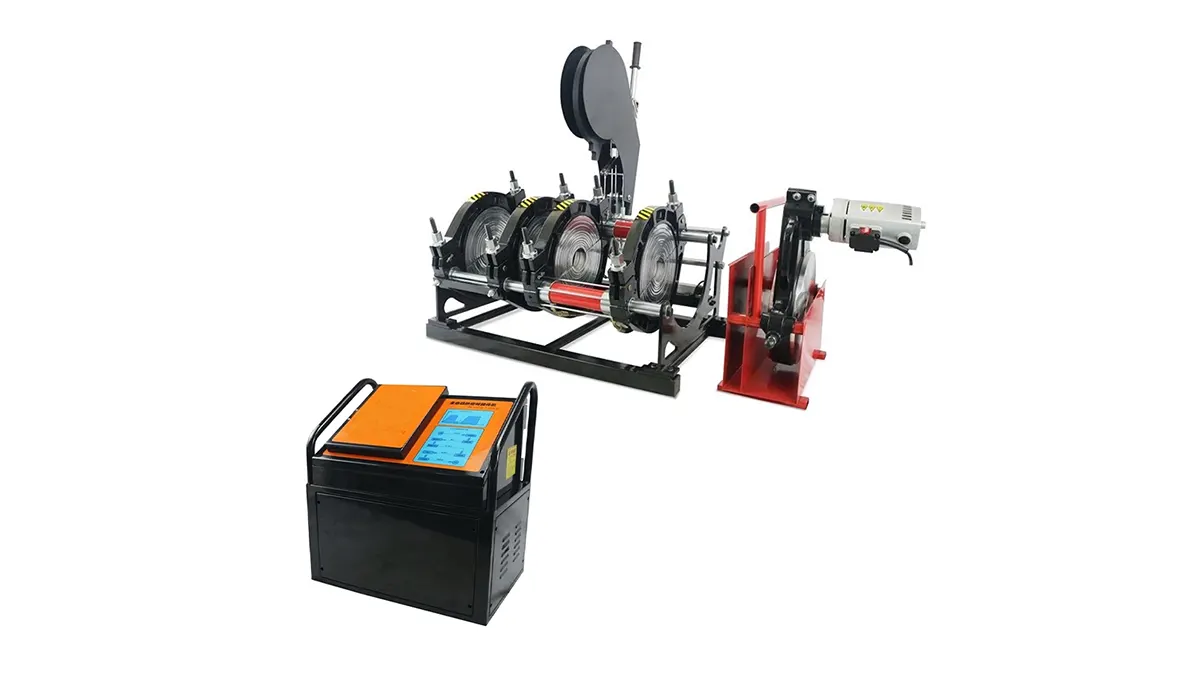
| Automatic/CNC Butt Fusion | 63mm–1600mm+ | High-volume installers, precision projects | Repeatable quality, data logging, reduced operator error |
| Electrofusion Machines | Fittings up to 1600mm (depending on tooling) | Fittings, repairs, complex junctions | Ideal for controlled, high-integrity connections |
Practical Considerations on the Ground
Training: Invest in operator training to ensure correct heating, pressure, and cooling cycles — key to reliable joints. Spare parts & support: Choose suppliers with responsive service and readily available consumables like heating plates and clamps. Power & logistics: For off-grid sites, prioritize machines that can run from portable generators or battery packs.
Selection Tips for Sierra Leone Buyers
Start by mapping your typical pipe diameters and project types. For community water projects with limited budgets, manual machines deliver the best ROI. For national utilities or mining companies planning long pipelines, consider hydraulic or automatic systems backed by warranty and training packages.
Why Work with an Experienced Manufacturer
Working with an experienced HDPE welding machine manufacturer ensures access to proven machine designs, quality control, and after-sales support. Learn more about reliable equipment options and technical support from JQ-Fusion at https://jq-fusionwelding.com/.
Final practical note: For projects in Sierra Leone, prioritize durability, local serviceability, and training to achieve leak-free, long-lasting HDPE pipelines that support safe water delivery and robust industrial operations.



