
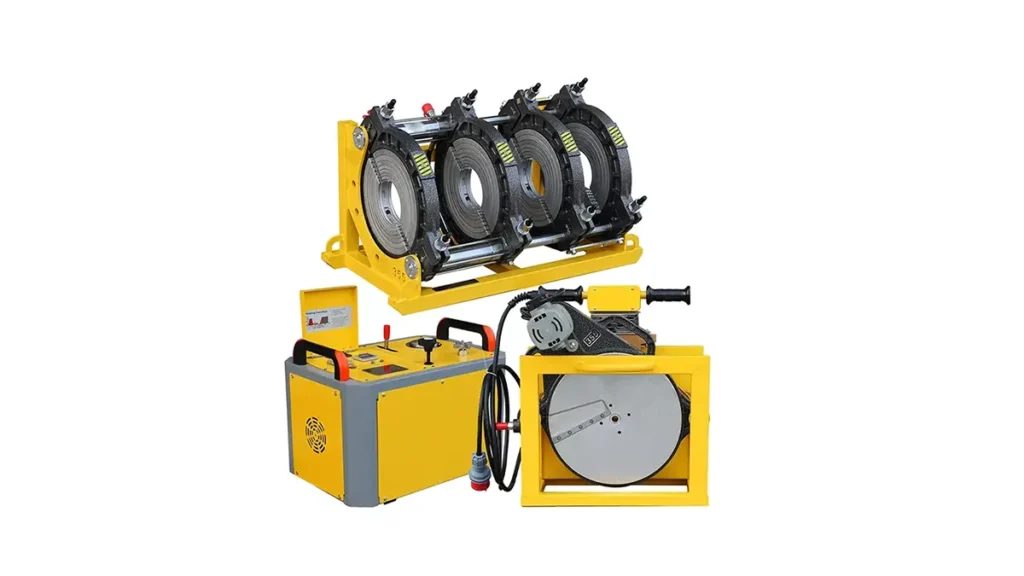
HDPE pipe networks are transforming Uganda’s water supply, irrigation and industrial projects by delivering durable, corrosion-free pipeline solutions. Choosing the right welding equipment ensures strong, leak-free joints that stand up to Uganda’s varied climates — from Kampala’s urban projects to rural irrigation schemes around the Nile and Lake Victoria basins.
Why HDPE Butt Fusion Is Ideal for Uganda
Durability and flexibility: HDPE resists corrosion and root intrusion, making it ideal for long-term rural water schemes and seasonal irrigation. The thermoplastic nature of HDPE also provides excellent seismic and ground-settlement tolerance, a benefit for East African terrains.
Cost-effective installation: Faster jointing with butt fusion reduces labor costs on large deployments like municipal water mains and oil & gas pipelines in exploration regions. Low maintenance needs help keep lifecycle costs down for local councils and contractors.
Common Applications in Uganda
Urban water supply: Leak-free HDPE mains for fast-growing cities such as Kampala and Entebbe. Rural water systems: Durable distribution networks for boreholes and community connections. Agricultural irrigation: Efficient conveyance for drip and pivot irrigation. Mining & oil-field piping: Robust chemical and abrasion resistance for operations near Lake Albert and regional projects.
Choosing the Right Welding Equipment
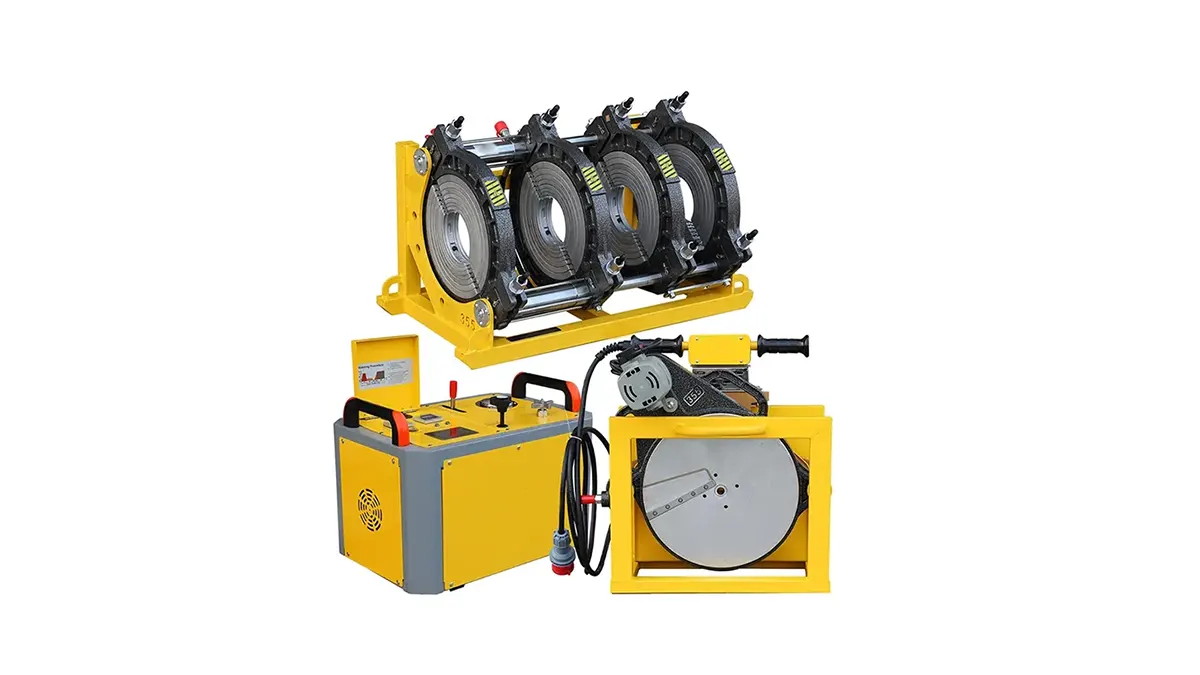
Selection depends on pipe diameter, jobsite mobility and automation needs. Below is a quick reference to match machine types to Ugandan project profiles:
| Machine Type | Pipe Diameter Range | Typical Uganda Applications | Key Advantages |
|---|---|---|---|
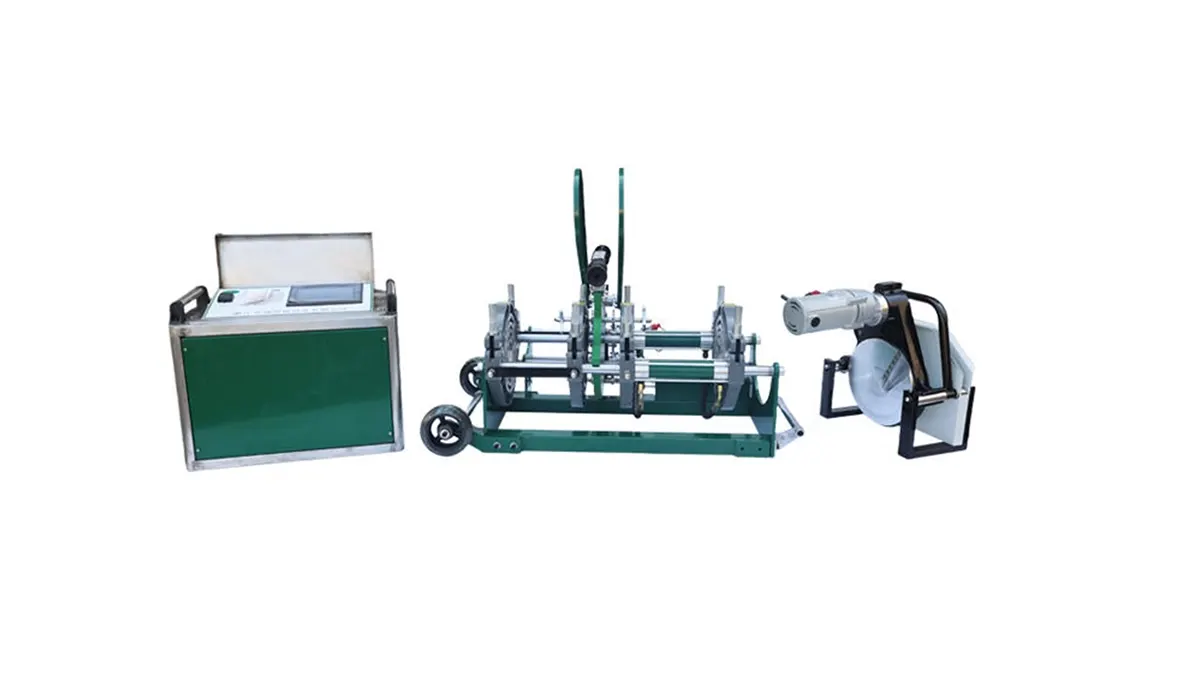
| Manual Butt Fusion | 20–160 mm | Rural water, small irrigation lines | Lightweight, portable, low cost |
| Hydraulic Butt Fusion | 160–2250 mm | Large water mains, industrial pipelines, mining | High clamping force, stable welds for large-diameter pipes |
| Automatic / CNC Systems | 63–630 mm (common) | Urban networks, high-volume contracting | Consistent weld quality, data logging, faster cycle times |
Site Preparation Tips for Uganda Projects
Ground conditions: Clear trenches of rocks and debris to avoid movement during cooling. In swampy areas, use stable pads or temporary platforms to keep machines level. Heat management: Shield hot plates from direct sun when ambient temperatures exceed 30°C to prevent overheating; conversely, plan longer heating times in cooler highland sites.
Operational Best Practices
Skilled operators: Training is essential—consistent bead formation and proper fusion parameters (pressure, temperature, time) are the backbone of leak-free systems. For remote Ugandan sites, plan operator training sessions and supply clear weld procedure sheets.
Fuel and power: Choose equipment that matches available onsite power. For areas with unreliable grid power, hydraulic units with diesel-powered generators or battery-backed automatic units provide greater uptime.
Maintenance & Spare Parts Strategy
Keep critical spares onsite: heater bands, trimming tools, pressure gauges and hydraulic hoses. A small preventative maintenance kit and a routine checklist will reduce downtime for contractors working in Uganda’s dispersed project locations.
Procurement and Support
For reliable butt fusion equipment tailored to local needs, consider manufacturers with proven global experience and the ability to advise on machine selection, shipping and training. One such manufacturer is JQ-Fusion (https://jq-fusionwelding.com/), offering manual, hydraulic and CNC automatic machines suitable for Uganda’s water, irrigation and industrial pipeline projects.
Selecting the correct HDPE welding solution in Uganda ensures long-lasting, leak-free pipeline networks that reduce maintenance costs and support sustainable infrastructure growth. Plan for training, spares and the right machine type to maximize performance across urban and rural projects.



