
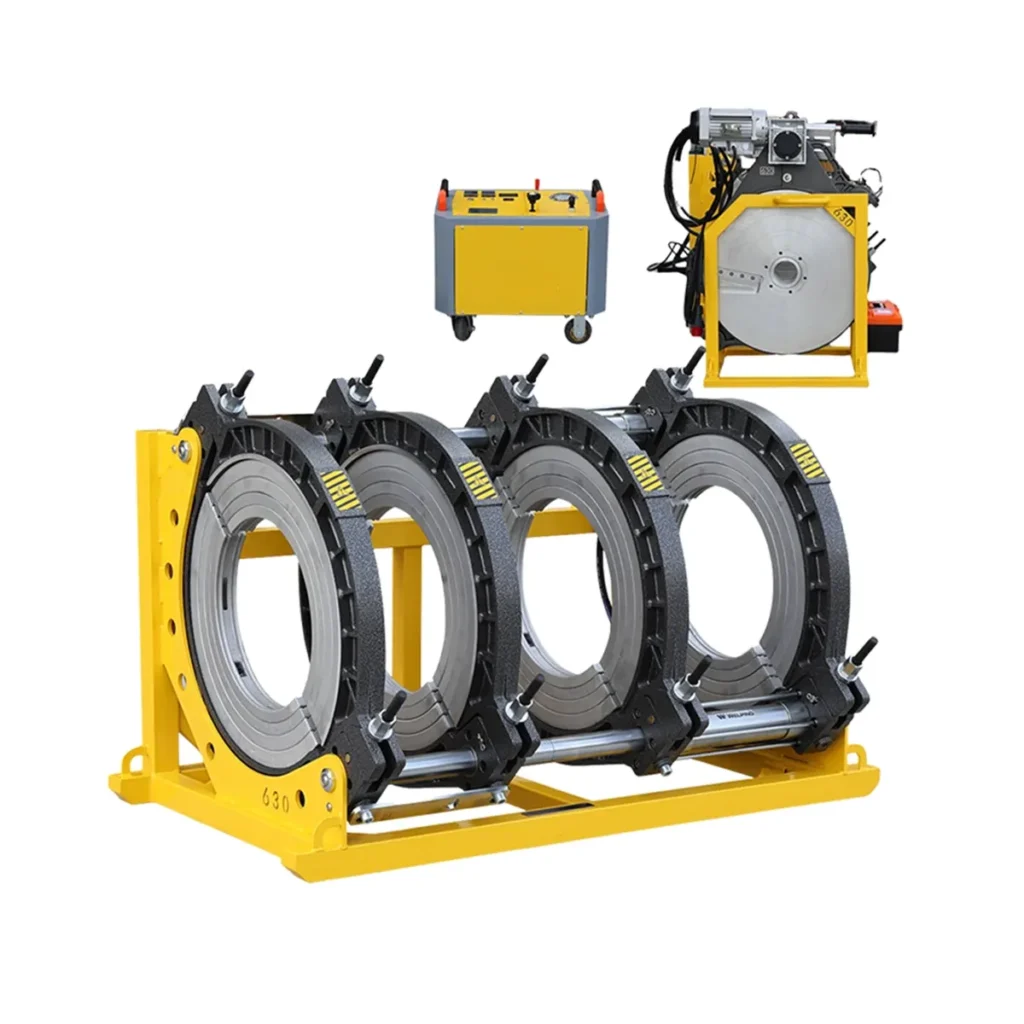
Choosing the best poly fusion machine supplier in DR Congo is a critical decision for contractors, municipal utilities, mining operations, and NGOs working on water, gas, and industrial pipeline projects. The right supplier delivers machines that withstand tropical climates, long-distance logistics, and on-site conditions while providing reliable support in French or Lingala. This guide helps you evaluate suppliers and pick equipment that maximizes uptime and reduces lifetime costs.
Understand Local Needs: Projects and Environment in DR Congo
Project type matters: urban water distribution in Kinshasa needs different machine sizes and mobility than large mining pipelines in Katanga. Consider expected pipe diameters, terrain, and whether crews will work in remote areas with limited power and maintenance support. Machines with robust hydraulic systems and simple field serviceability perform better under these conditions.
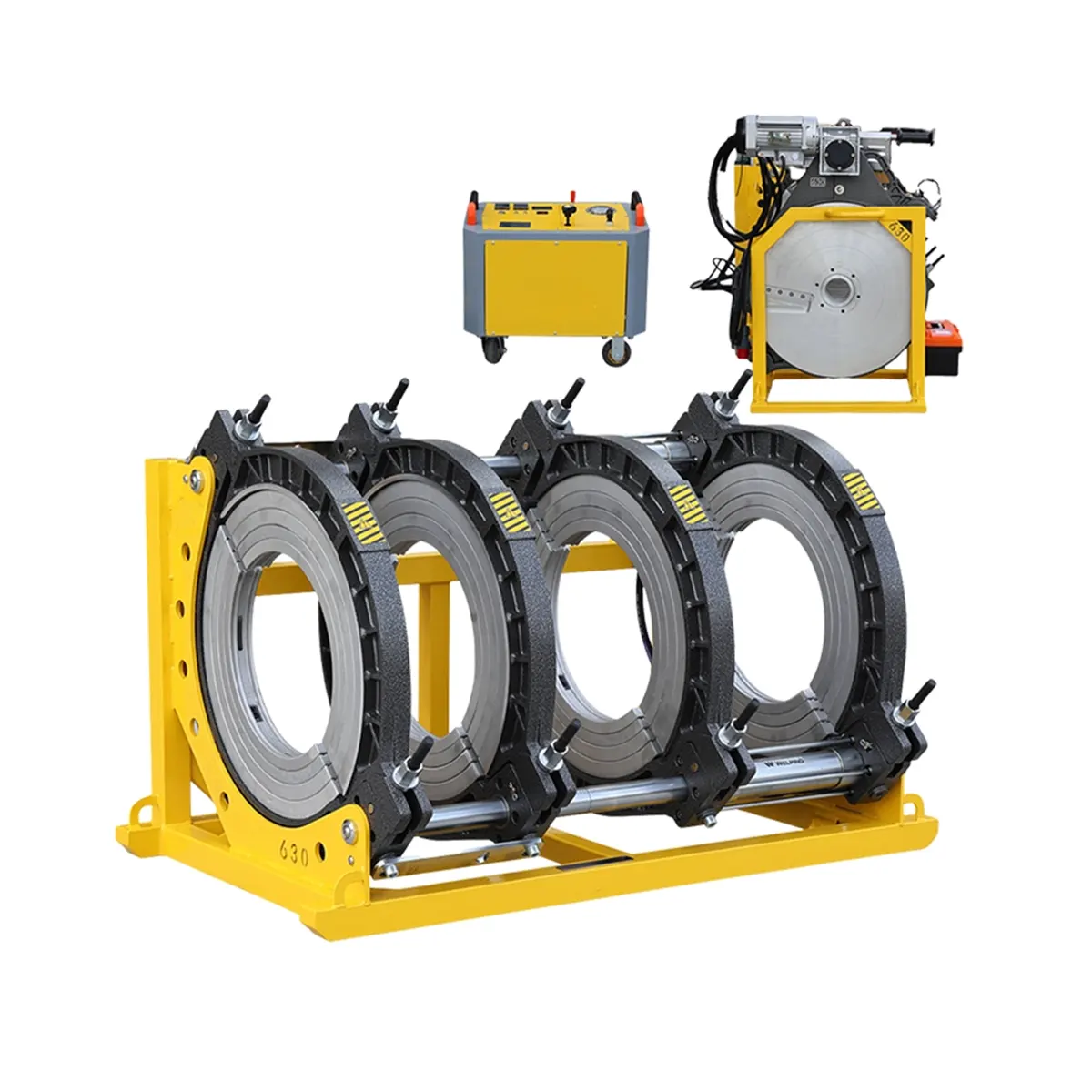
Key local considerations
- Climate resilience: corrosion-resistant finishes and sealed electrical components for humid and dusty sites.
- Power flexibility: battery or generator-compatible controls when grid power is unreliable.
- Port & logistics: packaging and shipping readiness for Matadi or Kinshasa ports; customs documentation support.
- Language & training: supplier ability to provide manuals, training, and support in French and local languages.
Technical Criteria: Machine Performance & Compatibility
Verify core technical specifications so the machine fits your pipeline program. Check clamping range, hydraulic pressure stability, heating plate quality, and control system precision. For automatic and CNC units, confirm software language options and easy export of weld reports for quality assurance.
What to test or request
- Sample weld records (traceable heating time, temperature, pressure).
- On-site demonstration or video of butt fusion on similar pipe sizes.
- Compatibility with local pipe standards and fittings used in DR Congo projects.
Supplier Reliability: Certifications, References, and Track Record
Look for suppliers with proven experience in African or tropical markets, references from similar projects, and relevant certifications for welding equipment. A supplier that offers documented quality controls, spare parts availability, and training will reduce downtime and rework.
| Checklist | Why it matters |
|---|---|
| Local project references | Demonstrates real-world performance and after-sales support. |
| Spare parts inventory | Faster repairs and less downtime in remote areas. |
| Training & documentation in French | Better operator competence and safer welds. |
| Warranty & service options | Reduces total cost of ownership and protects investment. |
After-Sales Support: Parts, Training, and Local Service
After-sales support often defines supplier value. Ensure the supplier provides:
- Quick access to critical spare parts shipped to major DR Congo ports.
- Technical training programs for weld crews and on-site troubleshooting guides in French.
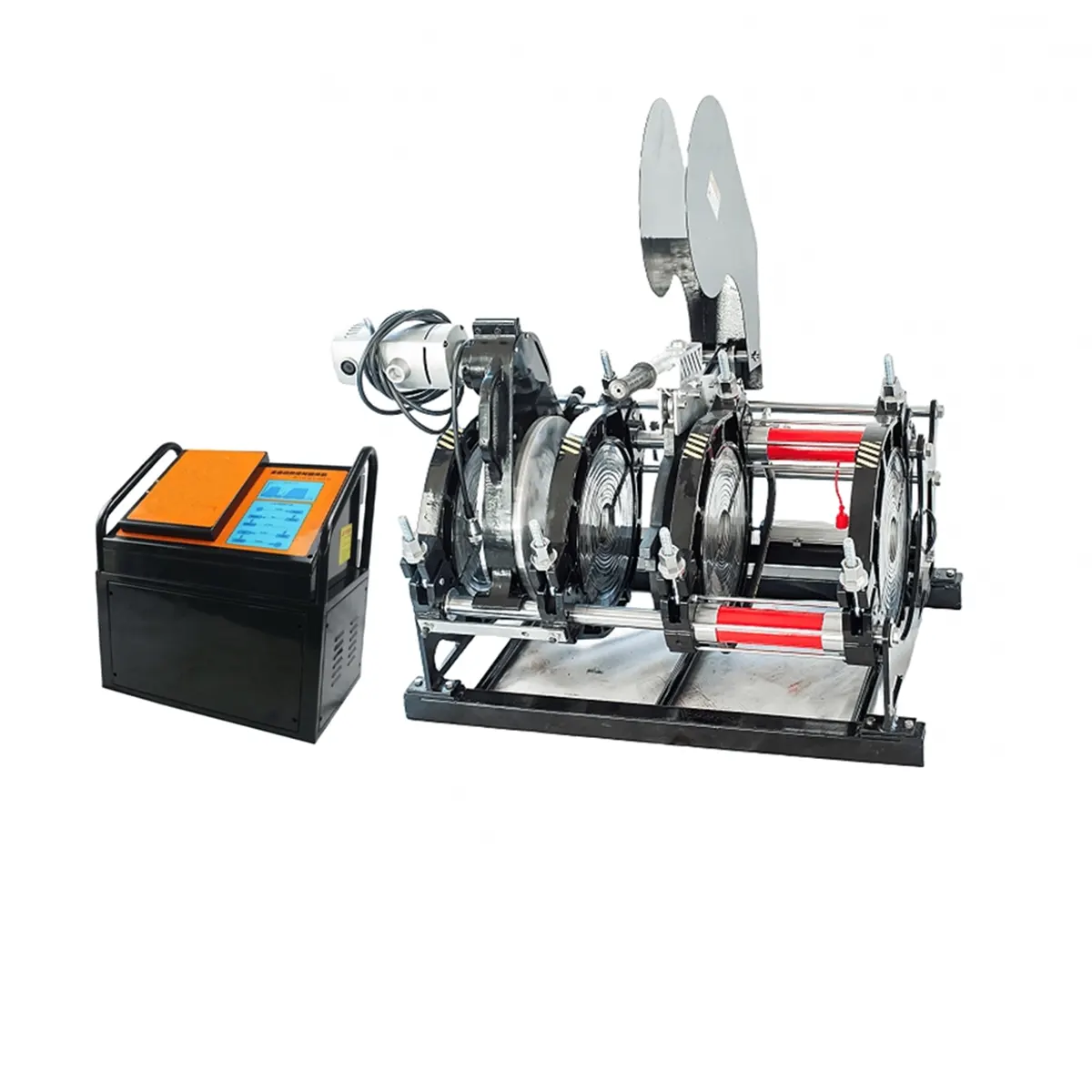
- Remote diagnostics and software updates for automatic machines.
Cost vs. Lifetime Value
Initial price is important, but evaluate total cost of ownership: spare parts cost, frequency of maintenance, fuel or power needs, training expenses, and potential production losses from downtime. Investing in a slightly higher-spec machine with reliable support often yields a better ROI for long-term infrastructure projects in DR Congo.
Logistics & Compliance: Import, Customs, and Local Regulations
Confirm the supplier assists with export documentation, CE or other relevant certificates, and understands import processes into DR Congo. Machines designed for heavy-duty use should be securely packaged for long sea transit and final inland transport.
Practical tips
- Ask for a detailed packing list and weight dimensions before shipping.
- Request supplier help with customs codes and paperwork to avoid delays at ports.
- Plan spare parts kits to be shipped with the first order for rapid deployment.
Manufacturer Spotlight
JQ-Fusion is a specialized manufacturer of HDPE pipe welding machines offering manual, hydraulic, and CNC automatic butt fusion solutions for a wide range of diameters, backed by strict quality control and global project experience.
Final selection checklist
- Does the supplier have DR Congo or regional project experience?
- Are manuals and training available in French?
- Is spare parts support and warranty clearly defined?
- Can the supplier provide weld traceability and QA documentation?
- Does the machine match your pipe sizes and field conditions?
Make an informed purchase
Selecting the right poly fusion machine supplier in DR Congo requires balancing technical fit, local support, and logistics readiness. Prioritize suppliers who demonstrate clear experience in tropical projects, provide timely after-sales service, and support operator training to ensure long-term success on your pipeline projects.



